Fine wood dust from sanders, saws and CNC machines creates two risks at once: respiratory harm and fire or explosion when it accumulates. PRIMEAG recommends 3 layers of control: extraction at the source, respiratory protection with the right filter class, and cleaning with vacuums rather than compressed air.
- Respiratory: N95/FFP2 dust masks or higher; dusty MDF sanding areas use FFP3 or a half-face respirator + P100 filters.
- Workwear: cotton or anti-static fabric, closed cuffs; avoid synthetic clothing that builds up static in dusty areas.
- Cleaning: vacuum every shift, never blow dust upward with compressed air; watch roof purlins, light fittings and electrical cabinet tops.
- Danger sign: a dust layer thick enough to hide the surface colour needs cleaning immediately.

Why wood dust is more dangerous than it seems
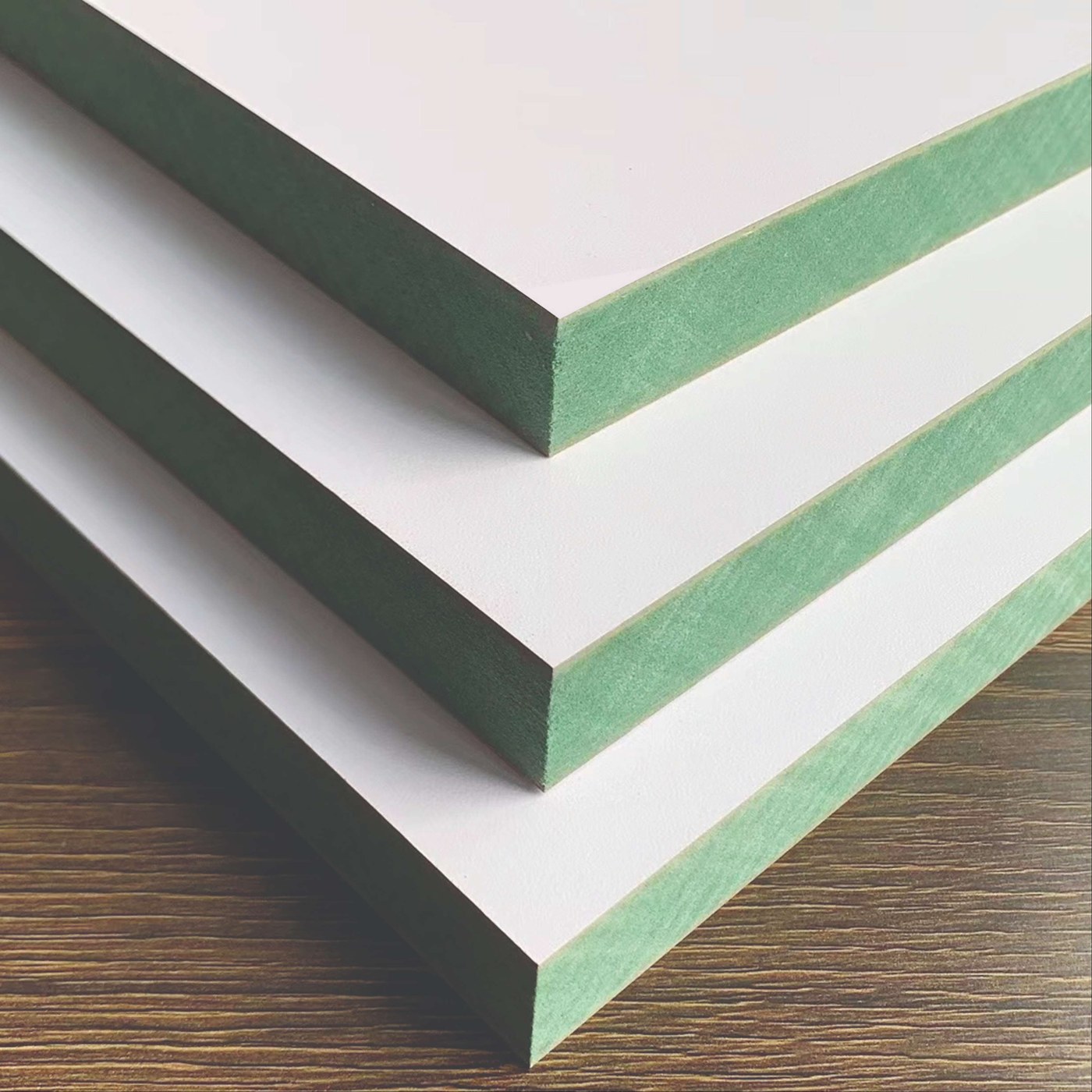
IARC classifies wood dust as Group 1 – carcinogenic to humans, mainly causing nasal and sinus cancer. MDF dust also contains resin and is very fine, penetrating deep into the lungs. Wood dust is also combustible. When dust layers on purlins and light fittings are disturbed into a cloud and meet a spark, a secondary explosion can spread through the whole workshop. OSHA’s combustible dust guidance treats a dust layer of about 0.8 mm (1/32 inch) covering more than 5 % of the area as a hazard sign requiring action.
1. Extraction at the source first, PPE second
A mask is only the last layer. Saws, sanders and CNC machines must have extraction hoods connected to a dust collection system; metal ducting must be earthed so it does not build up static. This part is designed by the dust-extraction contractor; PRIMEAG focuses on personal protective equipment.
2. Choosing respiratory protection by process
Surgical masks and cloth masks do not filter fine dust. You need a product with a clear filter rating and a tight face fit. PRIMEAG supplies 3M dust masks (8210 N95, 9332A+ FFP3) and the 3M 6200 half-face respirator with 2091 P100 particulate filters (stocked items delivered in 24–48 hours, ordered items 3–7 working days). Spray painting and glue mixing areas also need organic vapour cartridges (6001). Workers with long beards cannot achieve a tight seal; fit should be checked when masks are first issued.
| Process | Dust level | Suggested respiratory protection |
|---|---|---|
| Assembly, packing finished goods | Low | N95 dust mask (3M 8210) |
| Sawing, drilling, CNC milling with extraction hoods | Medium | 3M 8210 or 8822 with exhalation valve |
| Hand sanding, MDF sanding | High | FFP3 (3M 9332A+) or 6200 respirator + 2091 filters |
| Spraying paint, PU, mixing glue | Dust + solvent vapour | 6200/7502 respirator + 6001 cartridges + particulate pre-filters |
| Cleaning dust at height, changing filter bags | Very high | Respirator + P100 filters, goggles, Tyvek coverall |
For a complete recommendation by workstation, ask PRIMEAG about respiratory protection.
3. Workwear and accompanying PPE
- Eyes: sealed 3M 1621 goggles for sanding areas, because dust gets past the gaps of spectacle-type glasses.
- Body: cotton clothing with closed cuffs and no open pockets; for changing filter bags and cleaning at height, use disposable Tyvek coveralls. Limit synthetic clothing in dusty areas as it builds up static easily.
- Ears: saws and planers are often loud; use 3M earplugs above 85 dB.
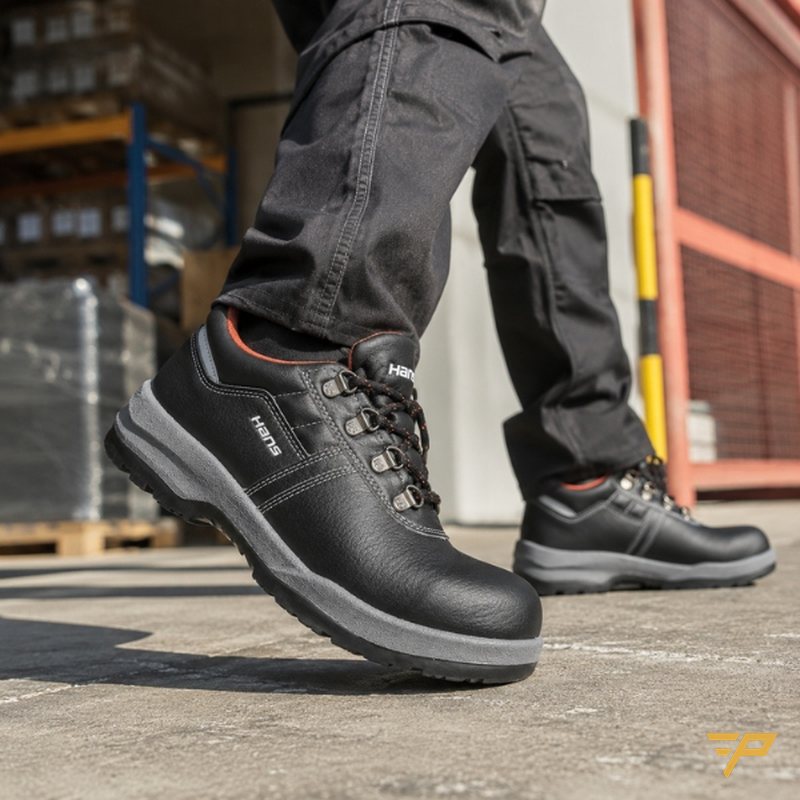
- Feet: steel-toe safety shoes when handling heavy boards.
4. Dust cleaning: vacuum, don’t blow
Blowing with compressed air lifts dust and creates exactly the conditions for a dust cloud. Use an industrial vacuum suitable for combustible dust, and soft brushes where the vacuum cannot reach. Schedule by location: machine surfaces and floors every shift; purlins, light fittings, electrical cabinet tops and air ducts weekly or whenever the dust layer hides the surface colour. Tie the procedure to the workshop’s 5S programme; see Lean workstation improvement and 5S.
15-minute self-check
- Run your hand over light fittings and electrical cabinet tops: does the dust hide the surface colour?
- What type of mask are sanding operators wearing, and does it fit tightly?
- Is anyone using a compressed-air gun to blow dust?
PRIMEAG has not yet carried out projects in the wood industry; the content above is technical guidance based on public guidelines (IARC, OSHA, CCOHS). Dust extraction and fire protection systems must be designed by specialist contractors.
Frequently asked questions
Do surgical masks protect against wood dust? No. Surgical masks have no fine-dust filter rating and do not seal to the face. You need N95/KN95/FFP2 masks or higher; MDF sanding areas should use FFP3 or a half-face respirator with P100 filters.
How often should dust filters be replaced? Replace them when breathing becomes harder or the filter is dirty or damaged. Filters used in dusty areas usually need replacing sooner than in low-dust areas; write the start date on the filter.
Why should compressed air not be used to blow wood dust? Compressed air lifts dust into a cloud, increasing inhalation exposure and creating conditions for fire or explosion if it meets a spark. Use a vacuum suitable for combustible dust instead.
Updated: 15 October 2026 — PRIMEAG engineering team
Mon–Sat, 8:00–17:00 (GMT+7) · Phone/Zalo: +84 906 108 292 · Email: info@primeag.vn
Start where it suits you: Free technical advice · Send a drawing or layout · Get a quote within 30 minutes
Written by the PRIMEAG engineering team