
In an ANSI/ESD S20.20 audit, auditors ask for records first and look at equipment second. The factory has to prove 3 things: there is an ESD control plan, there is training, and periodic measurements are within limits, for example a wrist strap system below 35 MΩ. Below PRIMEAG summarizes the records worth keeping and how to organize them so nothing is missing at audit time.
- ESD Control Program Plan: scope, responsible person, EPA layout.
- Training: list of trained personnel, training date, retraining date.
- Product qualification: measurements taken when receiving mats, flooring, chairs, bins and gloves.
- Compliance verification: daily logs and measurement logs at the defined frequency.

1. ESD control plan
S20.20 requires a written plan, usually covering: scope, the ESD coordinator, the device sensitivity the program protects, the training plan, the product qualification plan, the compliance verification plan, the grounding diagram and packaging requirements. Attach a floor plan clearly showing the EPA boundaries, the common ground point and the wrist strap and footwear test stations.
2. Training records
Everyone working in the EPA or handling ESD-sensitive devices must be trained before starting work and retrained at an interval defined by the factory. Keep: trainee list, dates, content and test results. Visitors entering the EPA also need specific rules (wearing heel straps, escorted by trained personnel).
3. Product qualification
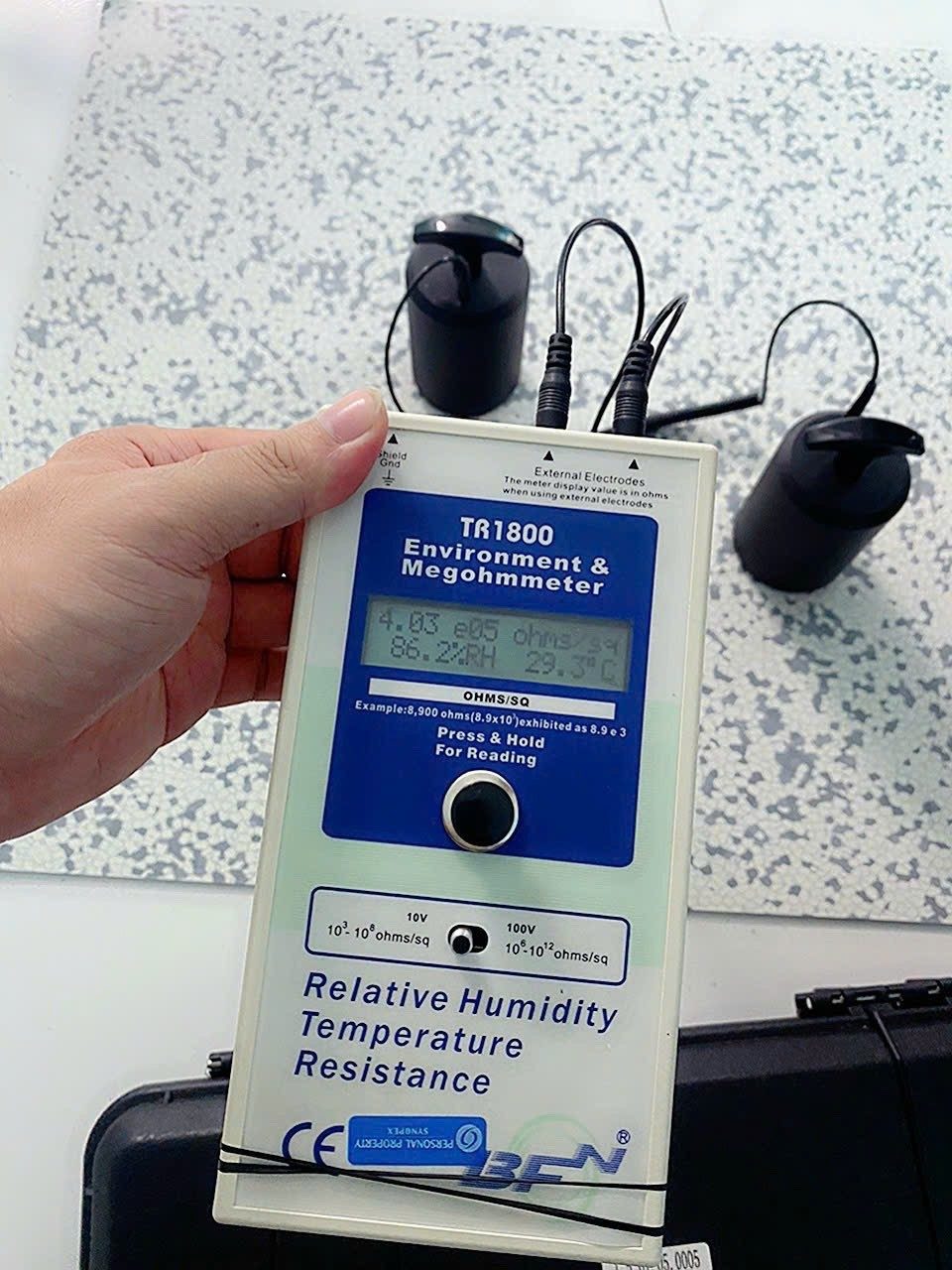
Every type of ESD item brought into the EPA needs evidence that it meets requirements: the supplier’s datasheet plus the factory’s own measurements at receipt. For how to measure at receipt, see resistance testing for incoming ESD materials. PRIMEAG measures resistance per lot and ships a test sheet with anti-static wrist straps and 2-layer anti-static rubber mats.
4. Common limits in the verification checklist
| Item | Measurement | S20.20 limit | Frequency (set by the factory) |
|---|---|---|---|
| Wrist strap system | Resistance of person – strap – cord system | < 3.5 × 10⁷ Ω (35 MΩ) | Every shift, before starting work |
| Footwear – flooring system | System resistance, or with walking body voltage test | < 3.5 × 10⁷ Ω; or < 1.0 × 10⁹ Ω and body voltage < 100 V | Footwear: every shift; floor: periodic |
| Workbench surface | Point-to-ground resistance | < 1.0 × 10⁹ Ω | Periodic, e.g. monthly |
| Ionizer | Offset voltage | < ±35 V; discharge time defined by the factory | Periodic |
The limits above are summarized from ANSI/ESD S20.20; at audit always use the version of the standard and the test methods (STM) referenced in the factory’s plan.
5. Periodic verification logs
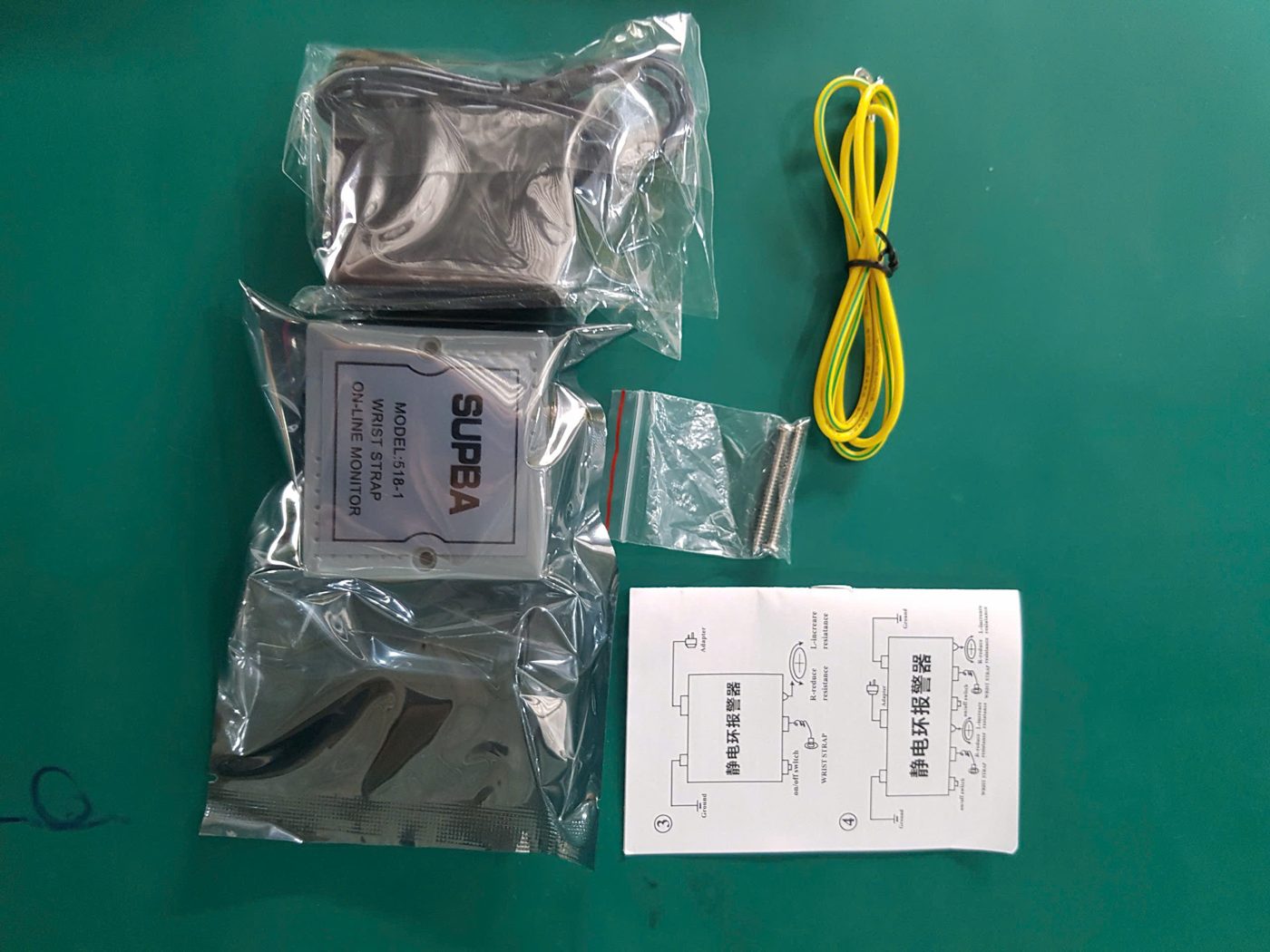
- Daily: wrist strap and footwear test log at the EPA entrance. A tester with green/red indication and data logging means data is ready at audit time; see wrist strap testers and resistance meters.
- Periodic: measurement sheets for bench tops, floors, chairs, trolleys and ionizers by location, with the name of the person measuring, the instrument and its calibration date.
- Failures: record the corrective action and the re-measurement. Auditors usually pay most attention to this section.
If you are considering continuous monitoring instead of start-of-shift testing, see continuous ESD monitors vs start-of-shift wrist strap testing; PRIMEAG can advise on ESD monitors based on the number of stations.
6. Measuring equipment needs records too
Resistance meters and wrist strap testers must have valid calibration certificates. Keep copies of the certificates with the measurement logs. Readings from an instrument whose calibration has expired may be rejected by the auditors.
Where to start
- Draw the EPA layout and list all ESD items in use.
- Collect the datasheet and receiving measurements for each item into one folder.
- Build the periodic verification sheet from the limit table above and assign owners.
- Run it for one month, then hold an internal audit before the customer arrives.
Frequently asked questions
What are the main records needed for an ANSI/ESD S20.20 audit? The ESD control plan, training records, product qualification records, periodic verification logs with corrective actions, and calibration certificates for measuring equipment.
What wrist strap reading counts as a pass? Under ANSI/ESD S20.20, the resistance of the person – wrist strap – cord system must be below 35 MΩ (3.5 × 10⁷ Ω). A wrist strap tester at the EPA entrance gives pass/fail and should log every shift.
How often must ESD bench tops and floors be re-measured? The standard lets the factory set the frequency in its compliance verification plan, based on usage and failure history. What matters is following the written frequency and keeping the measurements.
Updated: 14 October 2026 — PRIMEAG engineering team
Mon–Sat, 8:00–17:00 (GMT+7) · Phone/Zalo: +84 906 108 292 · Email: info@primeag.vn
Start where it suits you: Free technical advice · Send a drawing or layout · Get a quote within 30 minutes
Written by the PRIMEAG engineering team