Most dust in a cleanroom is not generated inside but carried in through the door on people and trolleys: dust on clothing, shoe soles and wheels. That makes the entrance the cheapest and most effective control point, ahead of any upgrade to the air filtration system. This guide sets out three layers of dust control at the cleanroom entrance for electronics, food, pharmaceutical and cosmetics plants.
- Layer 1 – clothing and shoes: change of garments, shoe covers, lint rollers before entering.
- Layer 2 – blowing off dust: an air shower blows dust off the body.
- Layer 3 – shoe soles and wheels: sticky mats laid right at the door and along the trolley path.

Layer 1: clothing and shoes
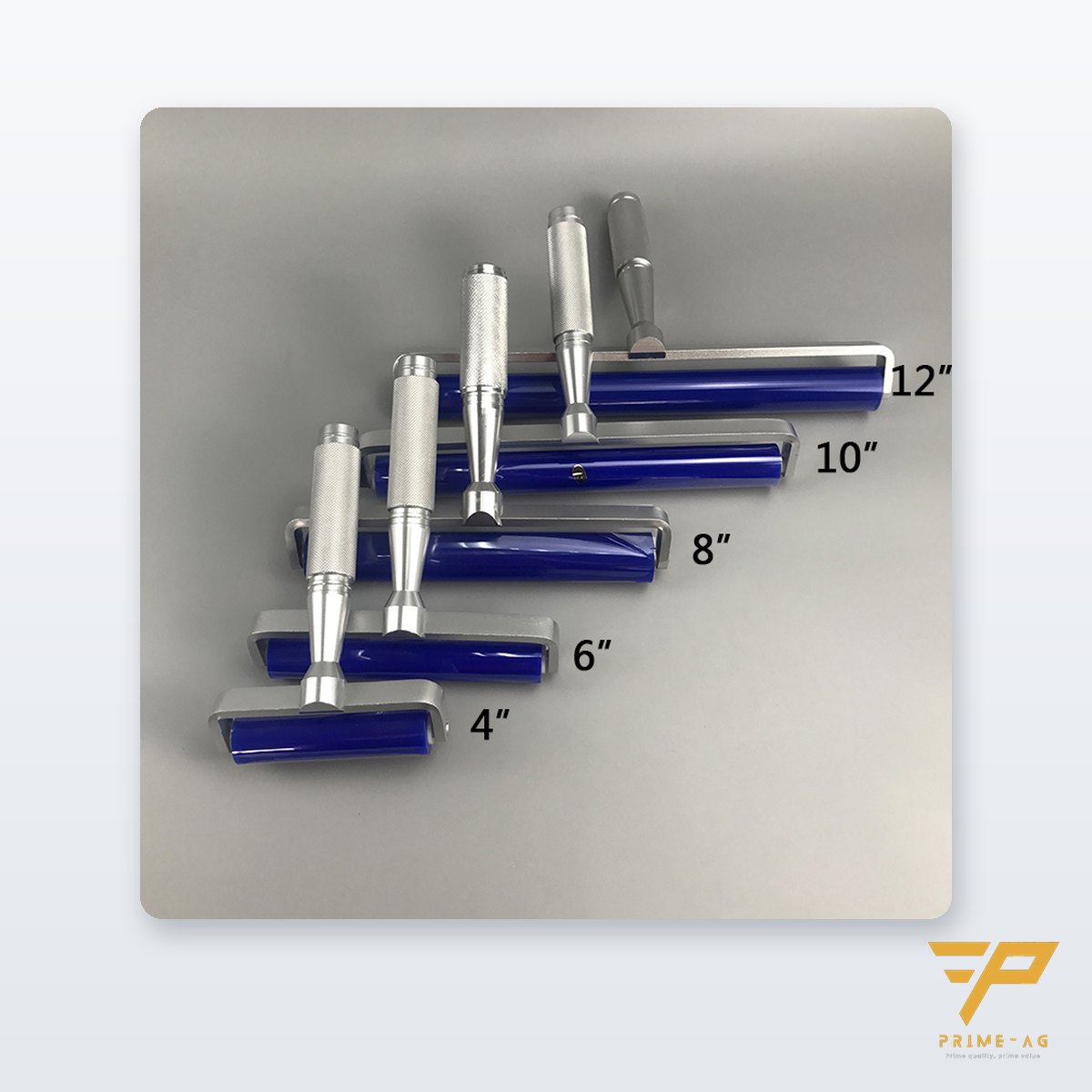
The changing room should be clearly split into a dirty side and a clean side, with a bench or line in between so nobody walks outdoor shoes onto the clean side. Cleanroom garments, hoods and shoe covers are put on from top to bottom; before stepping in, roll over the garments with a lint roller. For products that need direct rolling (glass, PCBs, films), use a silicone roller combined with a DCR pad instead of an adhesive paper roller.
Layer 2: air shower
An air shower is a booth with fans and nozzles that blow filtered clean air onto the person, dislodging dust from garments before entry into the cleanroom; its two doors are interlocked so they cannot both be open at the same time. When selecting one, settle: the number of people per shift (1-person or 2–3-person booth), whether trolleys pass through (a separate cargo shower is needed), the housing material (stainless steel for food and pharma), and whether it fits the existing door frame.
Layer 3: sticky mats at the door
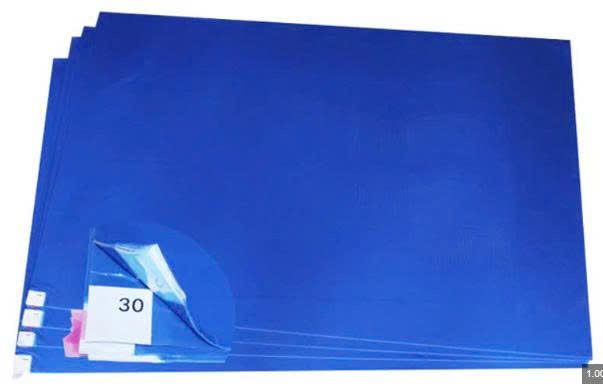
A sticky mat consists of many adhesive-coated PE film layers; the top layer is peeled off when dirty. Place it right after the air shower door and on the trolley path, long enough for every wheel to roll at least one full turn on it (usually 2–3 mats laid in the direction of travel). High-traffic doors should use the 60-layer type to reduce changes; warehouse and workshop doors usually use 30 layers. Peel a layer when shoe prints are clearly visible on the top layer, or every shift at high-traffic doors.
Real project
PRIMEAG installed a stainless steel air shower with 4 motors and 24 air nozzles at the workshop entrance of an electronics factory in Bình Dương (06/2026). See photos on the Projects page.
Quick check of your cleanroom entrance
- Is there a line or bench separating the dirty and clean sides of the changing room?
- Are sticky mats left too dirty, or are their edges peeling?
- Do trolleys coming from the warehouse have their wheels wiped or pass over a mat?
- Can both air shower doors be opened at the same time?
Frequently asked questions
If we have an air shower, do we still need sticky mats? Yes. The air shower blows dust off garments; sticky mats catch dust from shoe soles and wheels. The two complement each other.
30-layer or 60-layer sticky mats? High-traffic doors and air shower exits use 60 layers to reduce changes; warehouse and workshop doors usually use 30 layers.
How does an air shower for a food plant differ from one for electronics? Food plants usually choose a stainless steel housing that is easy to clean and resists cleaning chemicals; electronics plants may add ESD requirements for flooring and garments.
Email: info@primeag.vn · Phone/Zalo: +84 906 108 292
Written by the PRIMEAG engineering team