
In machine shops, hand cuts usually happen when workers handle sheet metal, undeburred blanks or blades with knitted gloves or PU-coated gloves that have no cut rating. The fix is to choose gloves by their EN 388 marking, especially the ISO A–F cut level. PRIMEAG recommends starting at level C or higher for handling sharp-edged sheet metal.
- Read the marking: EN 388 shows 4 digits and 1–2 letters; the letter A–F is the cut level per ISO 13997.
- Choose by process: handling sheet metal and sharp blanks needs a cut rating; light assembly does not.
- No gloves near rotating spindles: drills, lathes and milling machines can catch and pull in a glove.
- Trial before bulk buying: wear for 1 shift and check grip, dexterity and durability.
1. Reading the EN 388 marking
Gloves certified to EN 388:2016 carry a shield pictogram with a code, for example 4X43D. The order is:
| Position | Property | Scale |
|---|---|---|
| 1 | Abrasion resistance | 0–4 |
| 2 | Cut resistance, Coup test | 0–5, or X (not applicable) |
| 3 | Tear resistance | 0–4 |
| 4 | Puncture resistance | 0–4 |
| 5 | Cut resistance per ISO 13997 (TDM) | A–F |
| 6 (if present) | Impact protection | P (pass) |
With modern cut-resistant yarns (HPPE, glass fibre, steel fibre), the Coup test blunts the blade and gives unreliable results; the A–F letter is therefore the index to use for comparison.
2. Cut levels A–F
| ISO level | Minimum cut force (N) | Typical process |
|---|---|---|
| A | 2 | Handling goods with slightly sharp edges, low risk |
| B | 5 | Assembling small parts with light burrs |
| C | 10 | Handling thin sheet metal, undeburred blanks, metal stores |
| D | 15 | Shearing and stamping sheet metal, feeding blanks into presses |
| E | 22 | Handling sharp sheet in large quantities, glass, blades |
| F | 30 | Very high cut risk, handling sharp scrap |
Cut force values per EN 388:2016; the process column is for reference only — the actual level must be chosen through each workshop’s risk assessment.
3. Three common mistakes
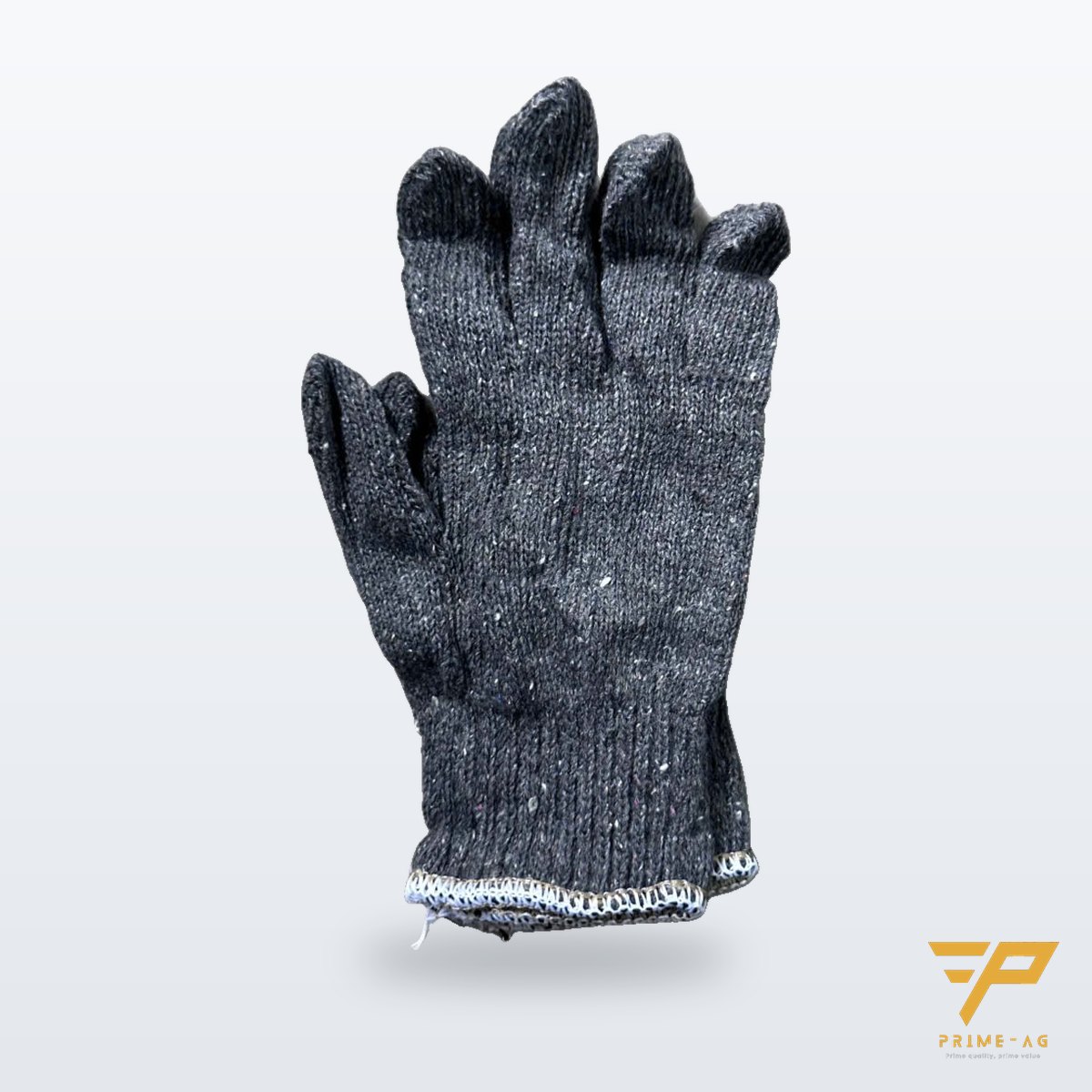
- Knitted gloves for sharp sheet metal: knitted and cotton gloves only protect against light abrasion and dirt and have no cut rating.
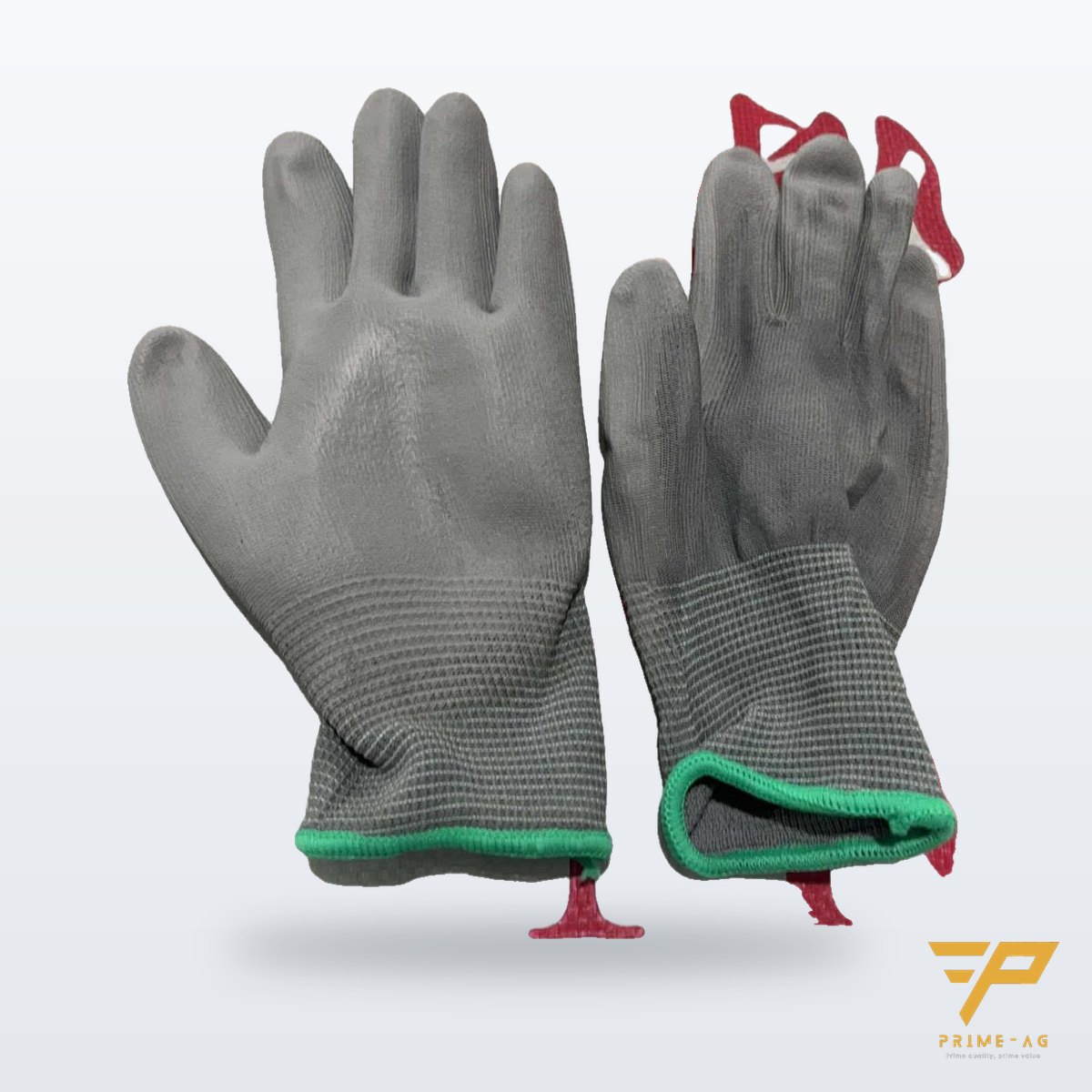
- Assuming PU-coated gloves are cut-resistant: Grey Palm PU-coated gloves grip well and last in mechanical assembly, but the polyester liner does not stop sharp edges.
- Wearing gloves at machines with rotating spindles: drills, lathes and milling machines can catch a glove and pull the whole hand in. Safety guidance such as OSHA and CCOHS advises against wearing gloves near rotating parts.
4. Choosing gloves by process
| Process | Recommended gloves |
|---|---|
| Light mechanical assembly, packing, maintenance | PU palm-coated gloves (Grey Palm, White Palm) |
| Loading and unloading rough goods without sharp edges | 80 g knitted gloves, cotton gloves |
| Handling sheet metal and undeburred blanks, feeding presses | Cut-resistant gloves level C–D, PU or nitrile palm coating for grip |
| Handling sharp sheet, glass or blades in large quantities | Cut-resistant gloves level E–F, optionally with cut-resistant sleeves |
| Operating drills, lathes, milling machines | No gloves while the machine is running; wear safety glasses and keep hands away from the cutting zone |
For classifying gloves by process in electronics factories, see choosing gloves by process.
5. Reduce handling of sharp edges through layout
- Deburr right after cutting; do not pass burrs on to the next process.
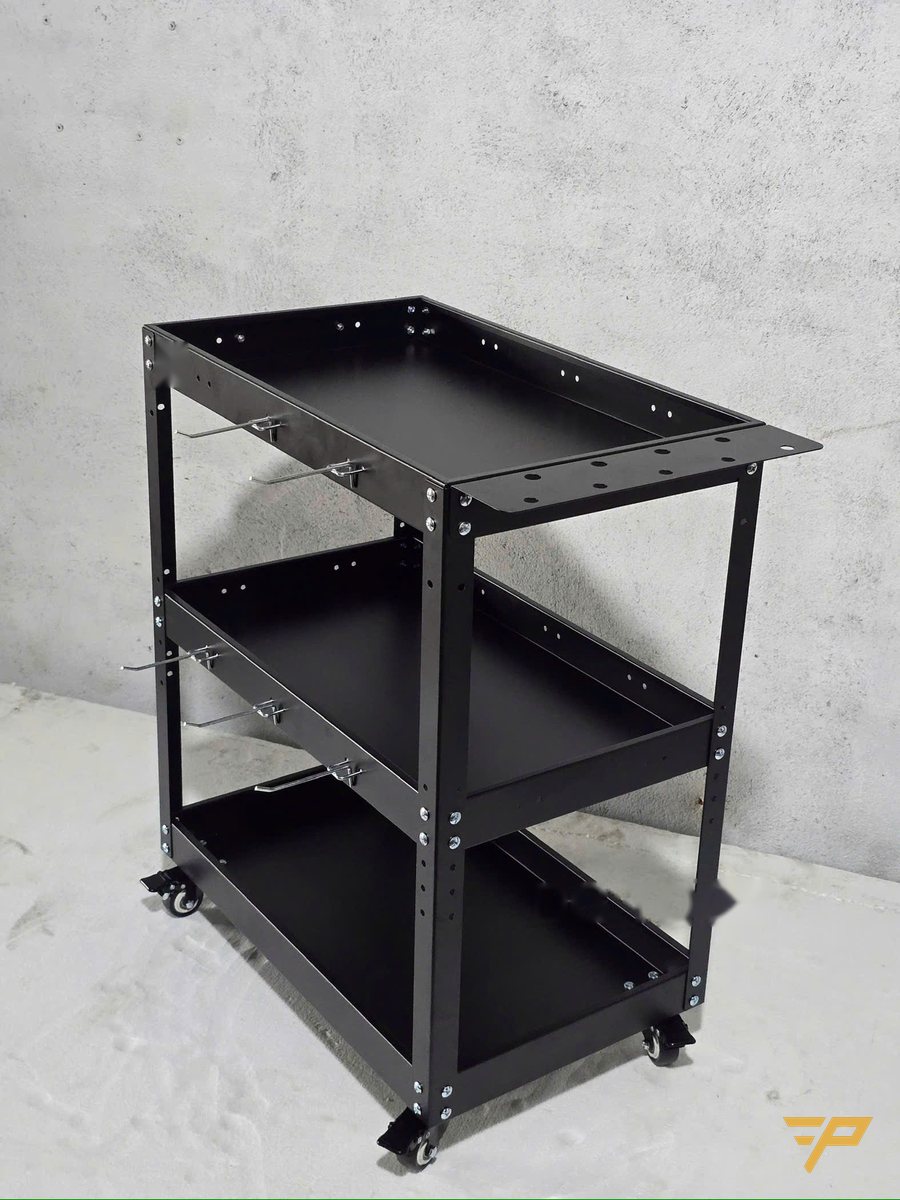
- Place blanks and parts on the lipped trays of a trolley instead of carrying them by hand.
- Move large sheets with a sheet trolley or clamp rack, not by hand.
Where to start
- Review the first-aid log for the last 6 months: at which process did cuts occur, and what was being handled?
- Assign a required cut level to each of those processes and post it on the work instruction board at the machine.
- Trial 2–3 glove samples for 1 shift with actual operators before buying in bulk.
Frequently asked questions
What does the 4X43D marking on a glove mean? Per EN 388:2016: abrasion level 4, Coup cut test not applicable (X), tear level 4, puncture level 3, cut resistance per ISO 13997 level D (minimum 15 N).
What cut level should a sheet-metal stamping shop use? Usually start at level C–D for handling thin sheet and feeding blanks into presses; for very sharp sheet or large volumes, consider level E–F. The final level should be set through risk assessment and wear trials.
Should cut-resistant gloves be worn at drills and lathes? No gloves should be worn while a machine with a rotating spindle is running, because the glove can be caught. Safety guidance such as OSHA and CCOHS advises keeping hands away from the rotating zone and wearing gloves only once the machine has stopped.
Updated: 14 October 2026 — PRIMEAG engineering team
Mon–Sat, 8:00–17:00 (GMT+7) · Phone/Zalo: +84 906 108 292 · Email: info@primeag.vn
Start where it suits you: Free technical advice · Send a drawing or layout · Get a quote within 30 minutes
Written by the PRIMEAG engineering team