
If you can still smell solvent through a respirator, the usual causes are a saturated organic vapor cartridge, a 2091 particulate filter fitted by mistake, a leaking face seal, or a concentration above 10 times the exposure limit. PRIMEAG recommends stopping work, checking the cartridges, doing negative- and positive-pressure seal checks, then setting a cartridge change schedule.
Afternoon shift in the ink mixing area: a worker complains the respirator has “stopped working” even though the cartridges were fitted last week. The cartridges on the mask turn out to be particulate filters, and the mask had been hanging all night next to a solvent drum. Usually several faults occur at once.
- Any smell means stop work and change the cartridges; do not use smell as the change schedule.
- The 2091 particulate filter does not remove vapors; inks and paints need 6001 or 6003.
- Do a negative- and positive-pressure seal check every time the mask is put on.
- If concentrations are too high, local exhaust ventilation is needed.
Smelling odor is the signal to stop
Odor getting in means vapor is breaking through the cartridge or leaking past the seal. According to 3M, if you smell or taste contaminants or feel irritation, leave the area and change the cartridges.
Odor getting through the respirator: 6 points to check in turn
1. Saturated organic vapor cartridge
Once the activated carbon is full, vapor passes through. OSHA (29 CFR 1910.134) requires a data-based cartridge change schedule; odor is not the primary basis.
2. Wrong cartridge fitted
3M 2091 is a P100 particulate filter that captures 99.97 % of particles but does not stop vapors. Printing inks, paints and mold cleaners need 3M 6001; with acid gases, 3M 6003. For dust, non-oil mists and vapors together: fit 5N11 with a 501 retainer in front of the vapor cartridge.
The 3M 9541 activated carbon mask only reduces mild nuisance odors and is no substitute for a respirator.
3. The respirator does not seal
Beards and long sideburns break the seal. The 3M 6000 series comes in three sizes, 6100 (S), 6200 (M) and 6300 (L); not everyone fits a size M.
Every time the respirator is put on, do the two-step seal check per 3M:
- Positive pressure: cover the exhalation valve and exhale gently; the facepiece should bulge slightly with no air leaking at the edges.
- Negative pressure: cover the cartridge faces, inhale gently and hold your breath; the facepiece should collapse slightly and stay that way. If it fails, adjust the straps or change the size.
4. Hardened or cracked exhalation valve or gaskets
Inspect the valve flap and the gaskets where the cartridges attach. A curled valve flap, paint on it or a cracked gasket gives vapor a bypass route.
5. Cartridges left exposed to the air
Hang the respirator next to the printing machine during breaks and the cartridges keep absorbing solvent vapor. Store it in a sealed box or bag, away from contaminated areas.
6. Concentration beyond what a half-face respirator can handle
According to 3M, half-face respirators can be used up to 10 times the PEL. Hand-cleaning print rollers in an enclosed booth can exceed this level; then you need local exhaust ventilation, lidded solvent drums, or a higher level of protection assessed by the safety department. Do not use air-purifying respirators where oxygen is below 19.5 %, where the substance or concentration is unknown, or where concentrations are immediately dangerous to life or health.
Narrowing down the fault quickly
| Symptom | Most likely | Fix |
|---|---|---|
| Odor right after putting it on | 2091 particulate filter, wrong size, faulty valve | Switch to 6001/6003, seal check, inspect valve |
| Fine at start of shift, odor by the end | Saturated cartridge | Shorten the change interval |
| Odor when bending or turning the head | Stretched straps, leaking seal | Adjust straps, replace the respirator |
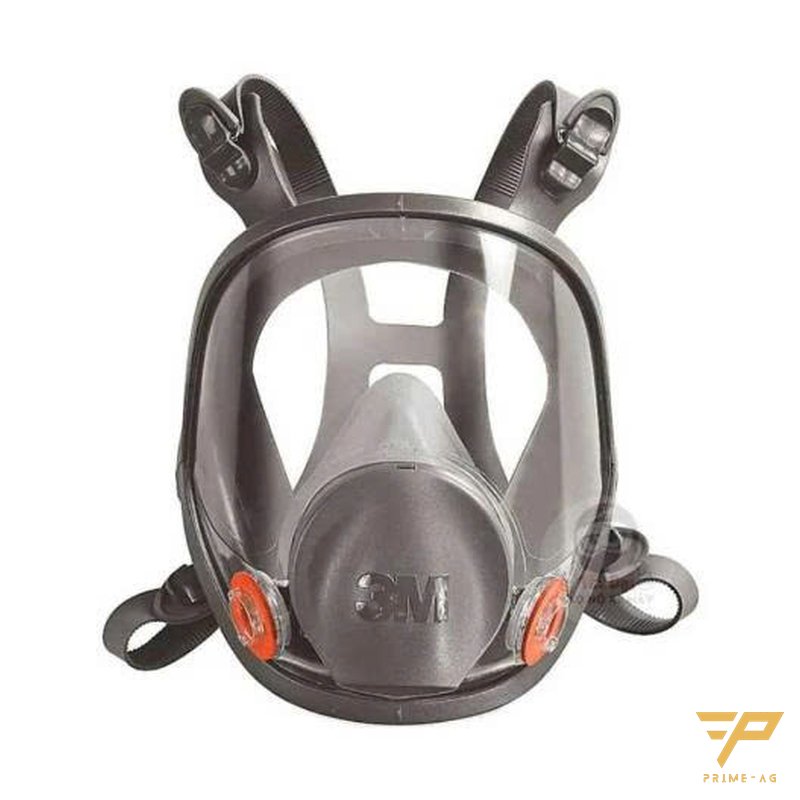
| Eye irritation with no odor | Vapor irritating the eyes | Consider a full-face respirator, increase local exhaust |
Cartridge change schedule and storage
- Record by position: solvent type, task duration, amount used; the safety department calculates the interval.
- Change earlier in humid areas: humidity above 85 % can reduce cartridge service life by about 50 %. Write the fitting date on the cartridge.
- End of shift: remove the cartridges, wash the facepiece in warm water no hotter than 50 °C and let it dry. Do not wash cartridges or blow compressed air through them.
Replace the respirator when the seal is hardened, torn or deformed, or when it cannot be adjusted to seal. For long wear, consider the 3M 7502 with a silicone seal.
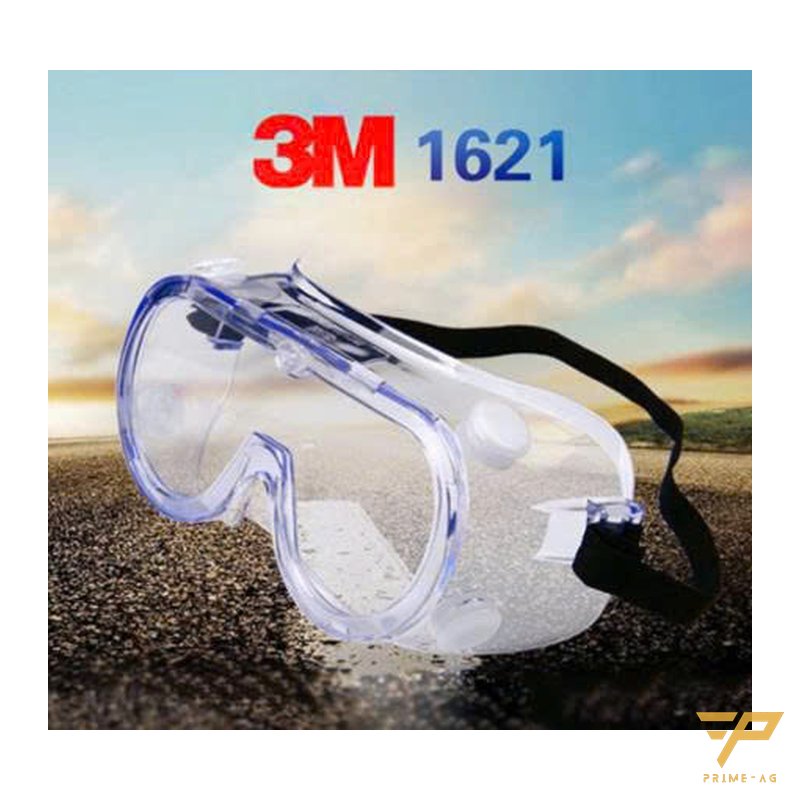
The 6200 and 7502 respirators and 6001, 6003 and 2091 cartridges are on the page 3M respirators and cartridges. When pouring solvents, also wear 3M 1621 chemical splash goggles. If you need eye coverage as well, ask PRIMEAG about the 3M 6800 full-face respirator. Areas with only dry dust can use N95, KN95 dust masks.
Related article: adhesive vapors in footwear factories.
Self-check on the shop floor
- Read the cartridge code on every respirator; look for 2091 filters in solvent areas.
- Have each person do a seal check in front of the team leader.
- Ask what the current cartridge change schedule is based on.
Frequently asked questions
- How long does a 3M 6001 cartridge last? — There is no general figure. Service life depends on concentration, solvent type, humidity and work rate; the change schedule must be calculated from that data.
- Does a respirator with 2091 particulate filters block paint fumes? — No. The 2091 only captures particles; paint and printing ink vapors need 6001 or 6003 cartridges.
- Can someone with a beard wear a half-face respirator? — A beard in the seal area makes the respirator leak; shave the area in contact with the seal or have the safety department choose another option.
Email: info@primeag.vn · Phone/Zalo: +84 906 108 292
Written by the PRIMEAG engineering team
Updated: 2026-10-27