
Carton sealing tape that pops open or lifts at the ends after a few days is usually caused by dusty, damp or high-recycled-fiber cartons, tape tabs down the box sides that are too short, no rub-down after taping, a hot warehouse under a metal roof, or overfilled boxes. PRIMEAG recommends a tab of about 50–70 mm at each end before changing adhesive type.
Boxes are sealed on Monday; by Thursday the warehouse reports a row of flaps already gaping, tape ends curling up like banana peel. For factories and warehouses in Vietnam, this is rarely down to “cheap tape”; it usually lies in the carton, the taping method and where the boxes are stored.
- Check the carton first: dust, moisture, recycled board with loose fiber.
- Then check the taping: long enough tabs down the box sides, rubbed down firmly right after applying.
- Hot or cold storage: choose the adhesive family by temperature.
- Heavy boxes: H-seal and stretch-wrap the whole pallet with PE film.
Causes, in the order to check them
1. The carton surface does not let the adhesive bond
If cartons are dusty, stored on a damp floor or made of recycled board with a lot of loose fiber, the adhesive only sticks to the loose fiber layer and a few days later it separates together with the tape. Peel back a lifted tape end: an adhesive face covered in grey dust is the clearest sign.
2. The tab down the box side is too short
If the tape stops right at the fold line, the spring-back force of the flap pulls straight on that point. Run the tape about 50–70 mm down at each end, depending on box size.
3. No rub-down after taping
Pressure-sensitive adhesive needs pressure to wet out the whole surface. Without rubbing down, the adhesive only touches the peaks of the board flutes. Rub firmly along the tape, especially at both fold edges.
4. Boxes overfilled, stacked too high
A bulging flap puts the tape under constant tension. Bottom boxes in a tall stack get crushed and the flaps separate from both ends.
5. Warehouse temperature and adhesive family
A warehouse close to a metal roof makes synthetic rubber (hot-melt) adhesive soften and creep; cold storage makes the adhesive hard and lose tack. Hot-melt grabs quickly but handles heat poorly; acrylic bonds more slowly but is more resistant to heat and UV.
6. Tape too thin for the load
Boxes holding metal parts or liquids sealed with thin tape will see the tape stretch and slip.
How to rule out each fault
| Symptom | Common cause | Fix |
|---|---|---|
| Adhesive face covered in paper fiber | Dusty carton, high recycled-fiber content | Wipe dust off the flap edges, change cartons or use a more aggressive adhesive |
| Tape end curling up at the box edge | Tab down the side too short | 50–70 mm tab at each end, rub down the edges |
| Tape slides, adhesive strings | Hot warehouse, hot-melt adhesive | Switch to acrylic adhesive, move boxes away from the metal roof |
| Tape lifts in cold storage | Adhesive hardens, loses tack | Tape at room temperature before moving into cold storage |
| Only bottom boxes of the stack pop open | Stacked too high | Fewer layers, stretch-wrap the whole pallet with PE film |
When to change the tape type
Only change tape once cartons, taping method and storage have been fixed and boxes still pop open: use acrylic adhesive for hot warehouses, and thicker tape with an H-seal for heavy boxes.
Laying out the taping and rub-down station: designing packing tables for e-commerce warehouses. The “surface first, tape second” logic is the same as in the article floor marking tape peeling after 1 week.
Suitable products
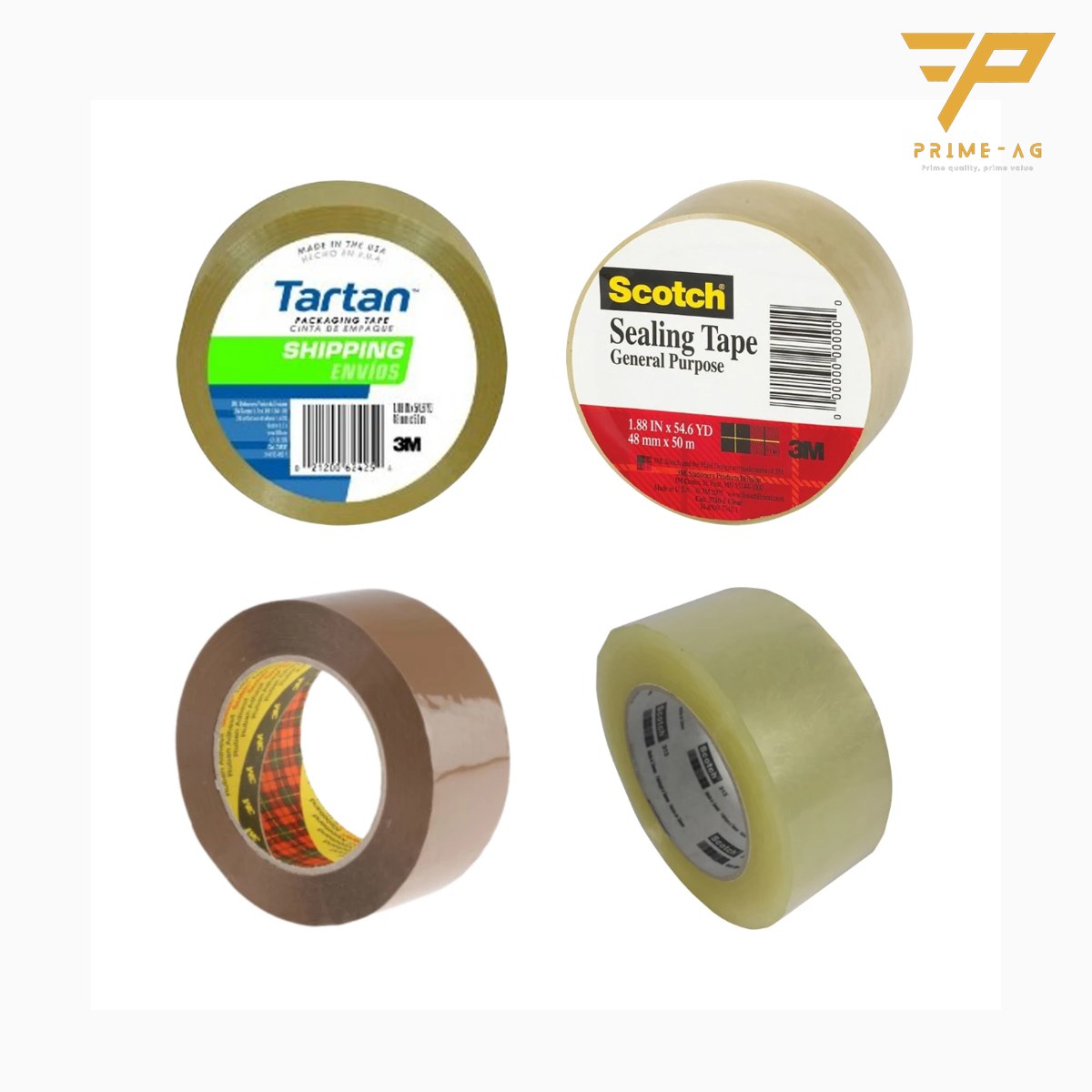
- Carton sealing tape in clear and brown. Tape is a stock item, delivered within 24–48 hours in Ho Chi Minh City, Binh Duong and Dong Nai; ordered items take 3–7 working days, and custom slit widths are converted to order, with lead time confirmed when ordering.
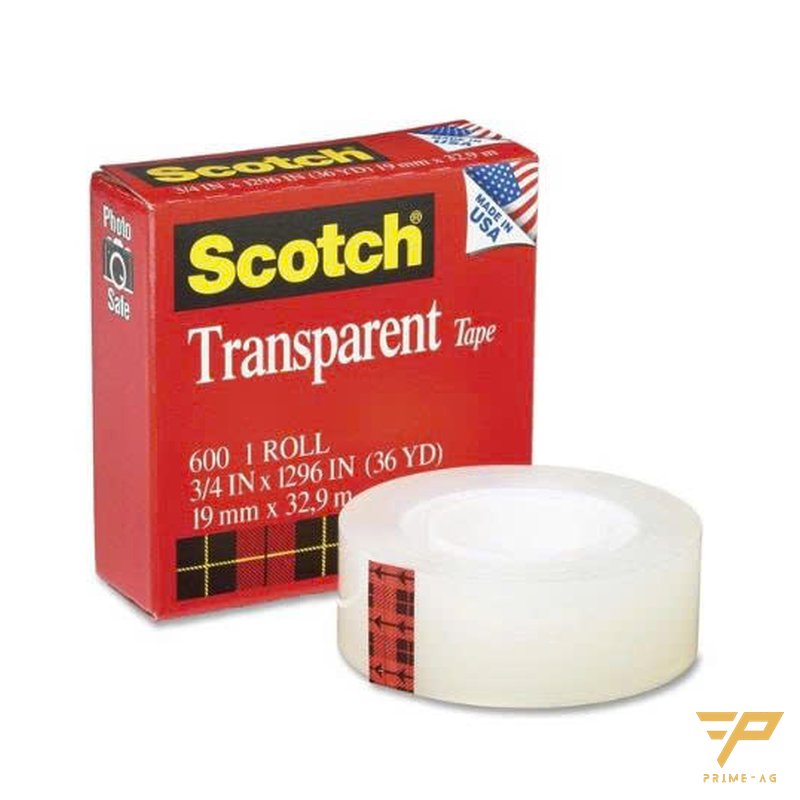
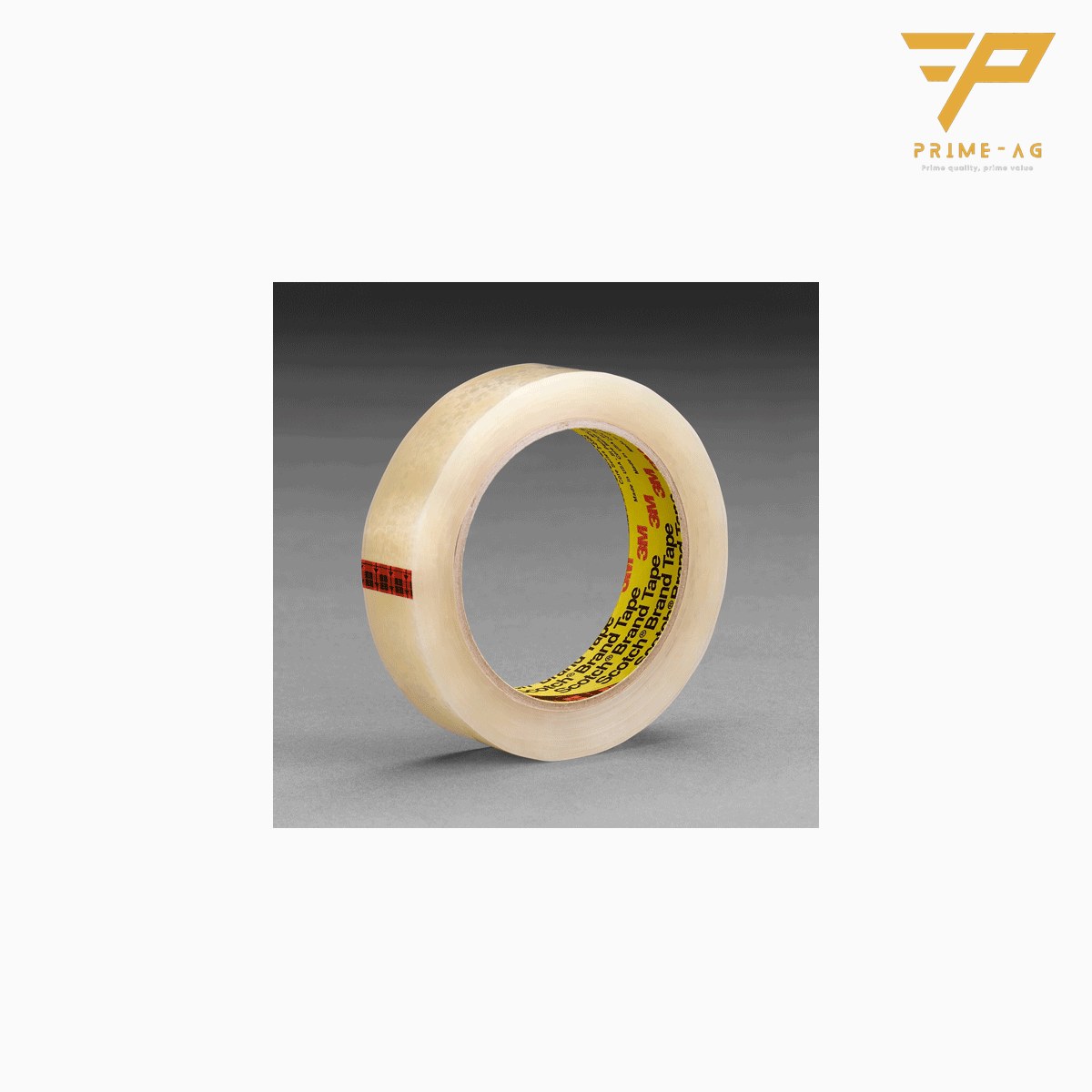
- 3M industrial tapes: Scotch 600 is a clear PP film with acrylic adhesive, 3/4″ (19 mm) wide, suited to clear sealing of small packs; it does not replace wide carton tape.
- PE pallet stretch film 25 cm or 50 cm, 17 µm, holds the whole load together so the flaps do not take the force alone.
Self-check in the warehouse
- Peel back one end of a lifted tape and see whether the adhesive face carries paper fiber.
- Measure the length of the tab down the box side.
- Record the temperature where the boxes are stored at midday.
Send photos of the failed boxes and the box size via the quotation page; the engineering team recommends a tape type and sends a price within 30 minutes.
Frequently asked questions
- Clear or brown packing tape: which one sticks better? — Color does not determine adhesion. Bond strength depends on the adhesive family, tape thickness and carton surface; choose by load and warehouse temperature.
- Do all boxes need an H-seal? — No. A single strip down the center is enough for light boxes. Heavy boxes, long-distance shipments or tall stacks should be H-sealed.
- Does packing tape lose adhesion after long storage? — It can, if the rolls are kept in hot, humid places or in direct sun. Store rolls somewhere cool and dry, and use up older lots first.
Updated: 29/10/2026 — PRIMEAG engineering team
Email: info@primeag.vn · Phone/Zalo: +84 906 108 292
Written by the PRIMEAG engineering team
Updated: 2026-10-29