
Whitish stains along glass edges, rust on hinges around the sealant bead, silicone peeling off aluminium frames: most of these come from choosing the wrong sealant base. Acid-cure silicone suits only glass-to-glass joints; aluminium, metal and electrical cabinets need neutral-cure silicone. For furniture workshops in Vietnam, PRIMEAG sums this up in a table of 9 common joints.
- Acid or neutral: if the joint involves metal, copper or electrical equipment, choose neutral (oxime).
- Needs overpainting: drop silicone and switch to PU Sikaflex 11FC or acrylic.
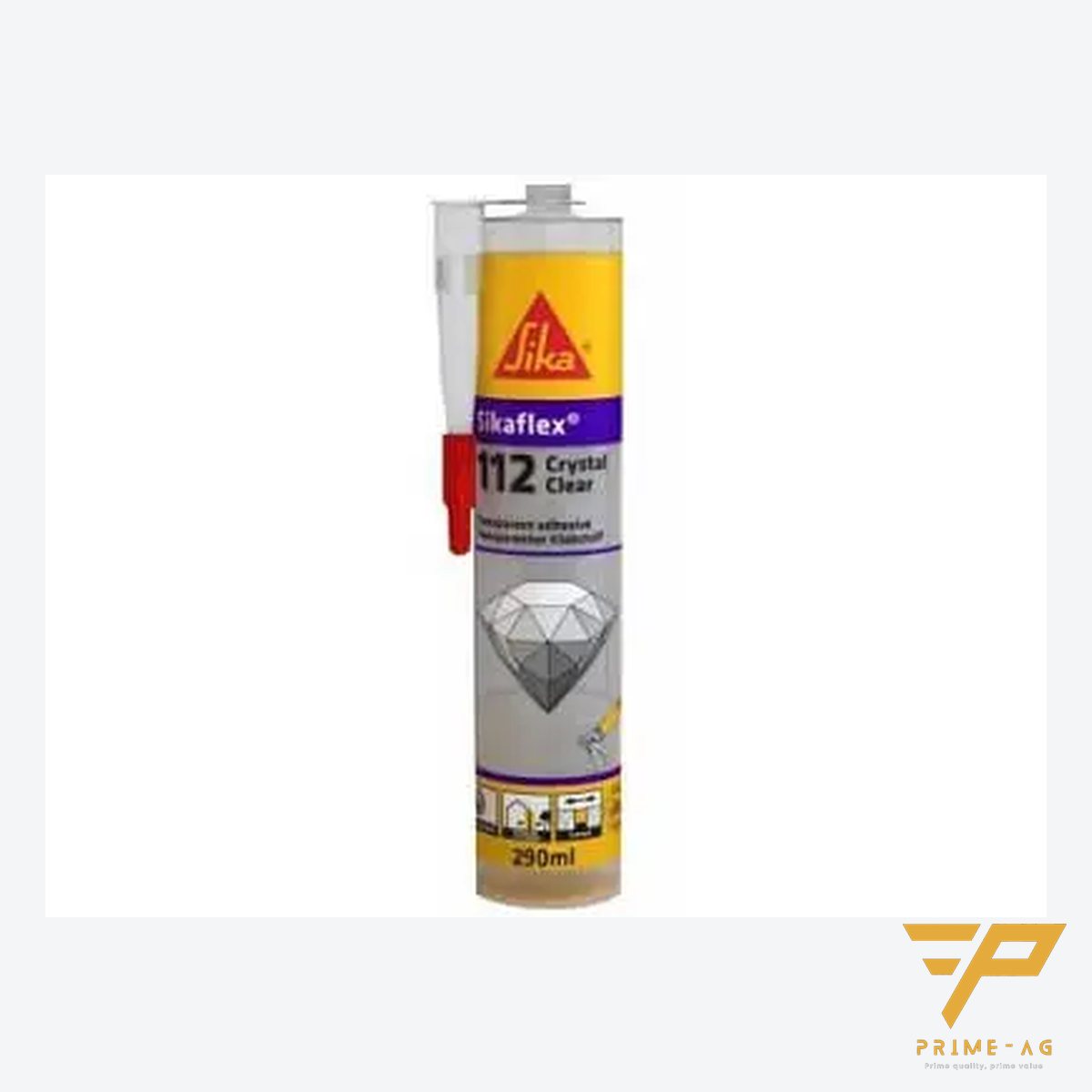
- Vibration-loaded joints, clear joints: Sikaflex 291 and Sikaflex 112 Crystal Clear.
- Wood, MDF: Titebond II/III; AB epoxy for metal and ceramics; hot-melt glue sticks for temporary fixing only.
Why sealant joints stain, peel and rust fittings
One-component silicone cures with atmospheric moisture and releases a small by-product while curing. The acetoxy (acid) type releases vinegar-smelling acetic acid: it cures fast, bonds well to glass and is cheap, but it attacks copper, plated metal and electrical contacts. That is why hinges, rails and plated screws next to the joint tarnish or rust.
The neutral type (oxime or alkoxy) releases oxime or alcohol, is less corrosive, cures more slowly and can be used on aluminium, metal and near electrical equipment.
Peeling usually happens because the surface still has dust, oil or moisture, or because paint was applied over the silicone. Cured silicone does not take paint and can spread as a thin film that makes paint and other adhesives hard to bond.
Sealant selection table by joint
| Joint in the workshop | Sealant type | Notes |
|---|---|---|
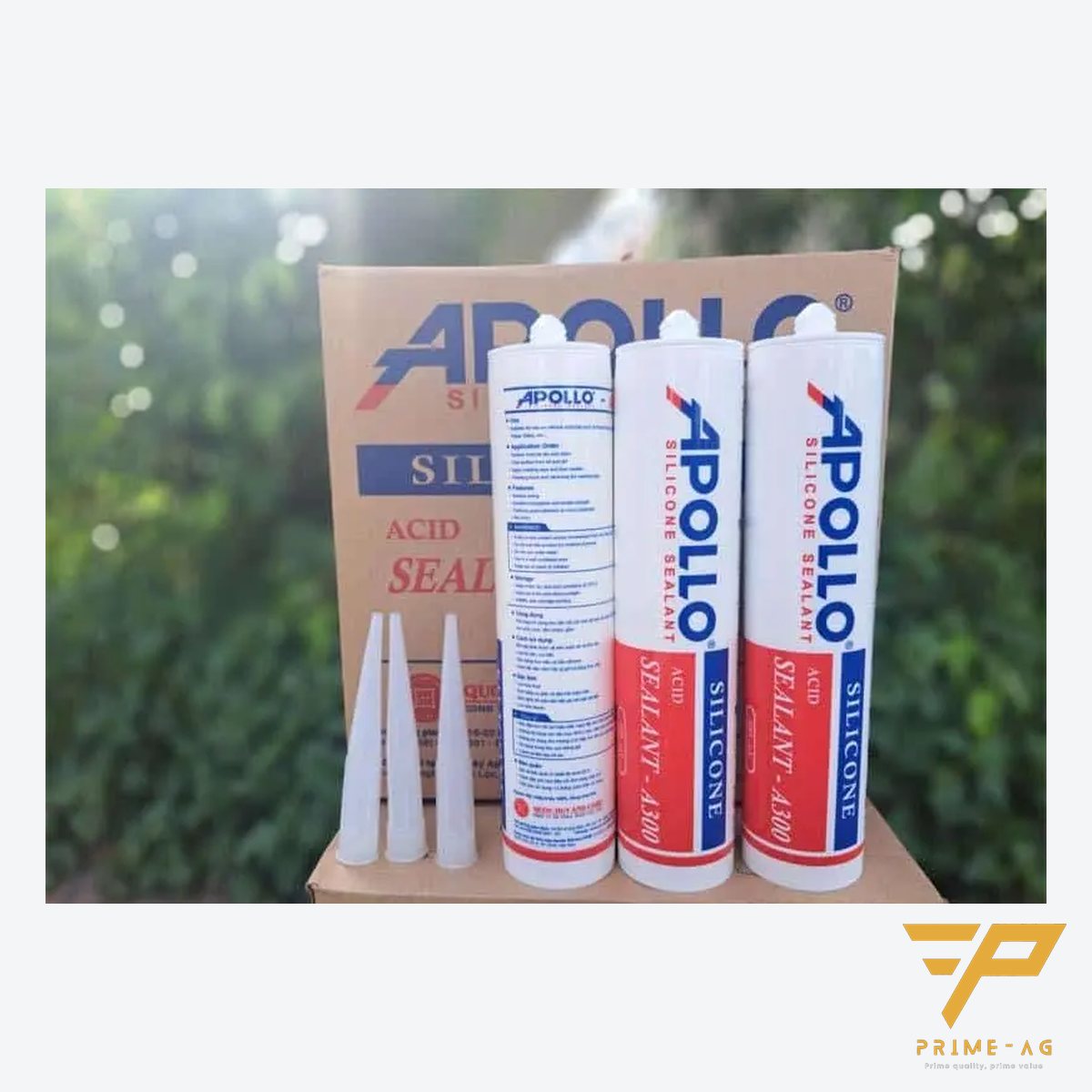
| Glass – glass (partitions, glass cabinets) | Apollo A200/A300 acid-cure silicone | Avoid copper and plated fittings |
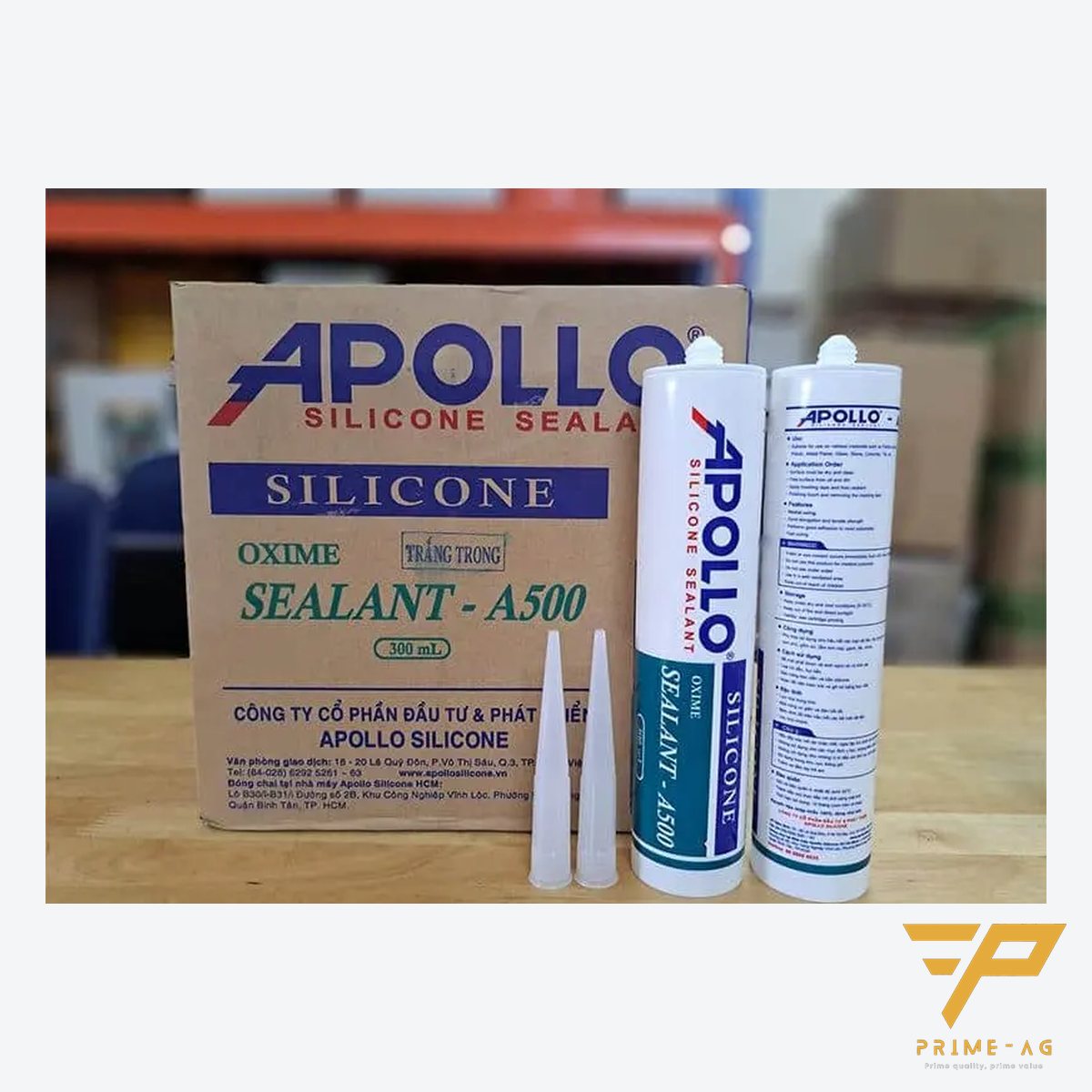
| Glass – aluminium, glass – metal, aluminium frames | Apollo A500/A600 neutral silicone (oxime) | A500 in 300 ml tubes, white / clear |
| Joints needing colourless sealant (glass, display surfaces) | Sikaflex 112 Crystal Clear 290 ml | Bonds and seals |
| Vibration-loaded parts | Sikaflex 291 310 ml | Marine-grade adhesive sealant |
| Floor joints, skirting, gaps to be painted over | Sikaflex 11FC (PU) or Apollo Acrylic A100 | 11FC in white/grey/black |
| Large gaps | Apollo Foam (expanding PU foam) | Filling wall penetrations |
| Wood joints | Titebond II / III (237 ml, 3.8 L) | Wood, MDF |
| Repairing metal and ceramic parts | AB epoxy 2 × 20 g or 2 × 250 g | Mix at the correct ratio, only as much as needed |
| Holding wires, temporary fixing, packing | Φ11 hot-melt glue sticks + 60 W glue gun | Not for heat-exposed or load-bearing joints |
All of the codes above are in the silicone, Sikaflex and workshop adhesives group; MOQ 1 carton or 1 set. On natural stone, test first in a hidden corner.
Sikaflex or AB epoxy
Sikaflex 11FC is a one-component PU that stays elastic after curing, following the movement of joints in metal, wood and concrete, and it can be painted over. AB epoxy cures hard and suits patching metal and ceramic parts; it must be mixed at the correct ratio, in small batches because the reaction generates heat, and with nitrile gloves. Take the drying time and application temperature from the datasheet of the exact product code.
Application for clean, non-peeling sealant edges
- Clean off wood dust, oil and flaking paint; in dusty workshops, vacuum before sealing (see wood dust control and respiratory protection).
- Wait until the surface is completely dry.
- Apply masking tape along both sides of the joint before gunning. 3M 2308 masking tape gives a straight bead without smearing onto glass or stone surfaces.
- Gun one continuous bead, tool it flat and remove the tape while the sealant is still wet.
- Cap the tube tightly after use so the nozzle does not harden; store in a cool, dry place.
Three questions before choosing a sealant
- Does the joint involve aluminium, copper, plated fittings or electrical wiring? If so, rule out acid-cure silicone.
- Will the gap be repainted? If so, use PU or acrylic.
- Will the sealant be visible on the product face? If it needs to be clear, choose Sikaflex 112 Crystal Clear.
Send your list of joints and monthly consumption; PRIMEAG quotes within 30 minutes. Customers with recurring orders get prices held for 6 months. Prices on the website exclude 8% VAT.
Frequently asked questions
Can I use acid-cure silicone to fit glass into an aluminium frame? Not recommended. When curing, acid-cure silicone releases acetic acid, which easily stains and corrodes metal surfaces. Glass-to-aluminium joints should use neutral silicone such as Apollo A500 or A600.
Which sealant for kitchen cabinet gaps and skirting that will be painted afterwards? Silicone does not take paint; paint applied over it will peel. Gaps to be painted should use PU sealant Sikaflex 11FC or Apollo A100 acrylic, depending on the location.
Can hot-melt glue replace Titebond for wood joints? No. EVA hot-melt glue softens when hot and creeps under long-term load, so it only suits temporary fixing. Load-bearing wood and MDF joints should use Titebond II or III.
Updated: 20/10/2026 — PRIMEAG engineering team
Mon–Sat, 8:00–17:00 (GMT+7) · Phone/Zalo: +84 906 108 292 · Email: info@primeag.vn
Start where it suits you: Free technical advice · Send a drawing or layout · Get a quote within 30 minutes
Written by the PRIMEAG engineering team
Updated: 2026-10-21