
Pallets rarely collapse in transit because there is too little film; most of the time they are wrapped wrongly: the film is not locked to the pallet, the base gets too few turns, or the film is not stretched. PRIMEAG recommends checking three points before adding more film: base lock, an overlap of about 50 % and film tension. Only then consider a wrapping machine or a reusable wrap.
- Lock the film to the pallet: 3–4 turns at the base, with the film twisted into a rope and wrapped around the pallet feet.
- Stack correctly before wrapping: no cartons overhanging the pallet edge, heavy at the bottom and light on top, interlocked layers.
- Shipping lines with many pallets per day: a pallet stretch wrapping machine gives even tension and uses less film than hand wrapping.
- Internal transfer routes: a reusable pallet wrap instead of single-use PE film.

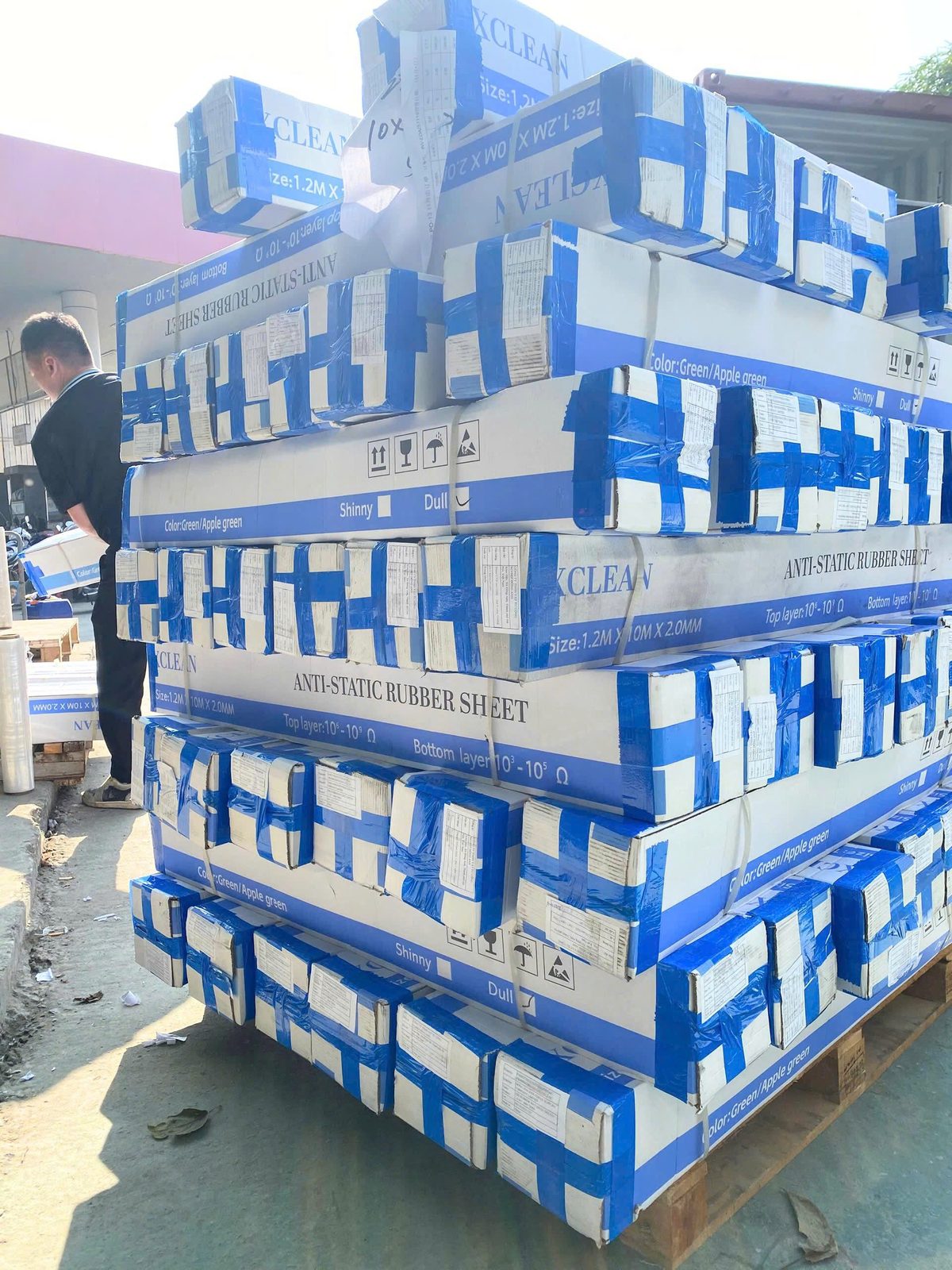
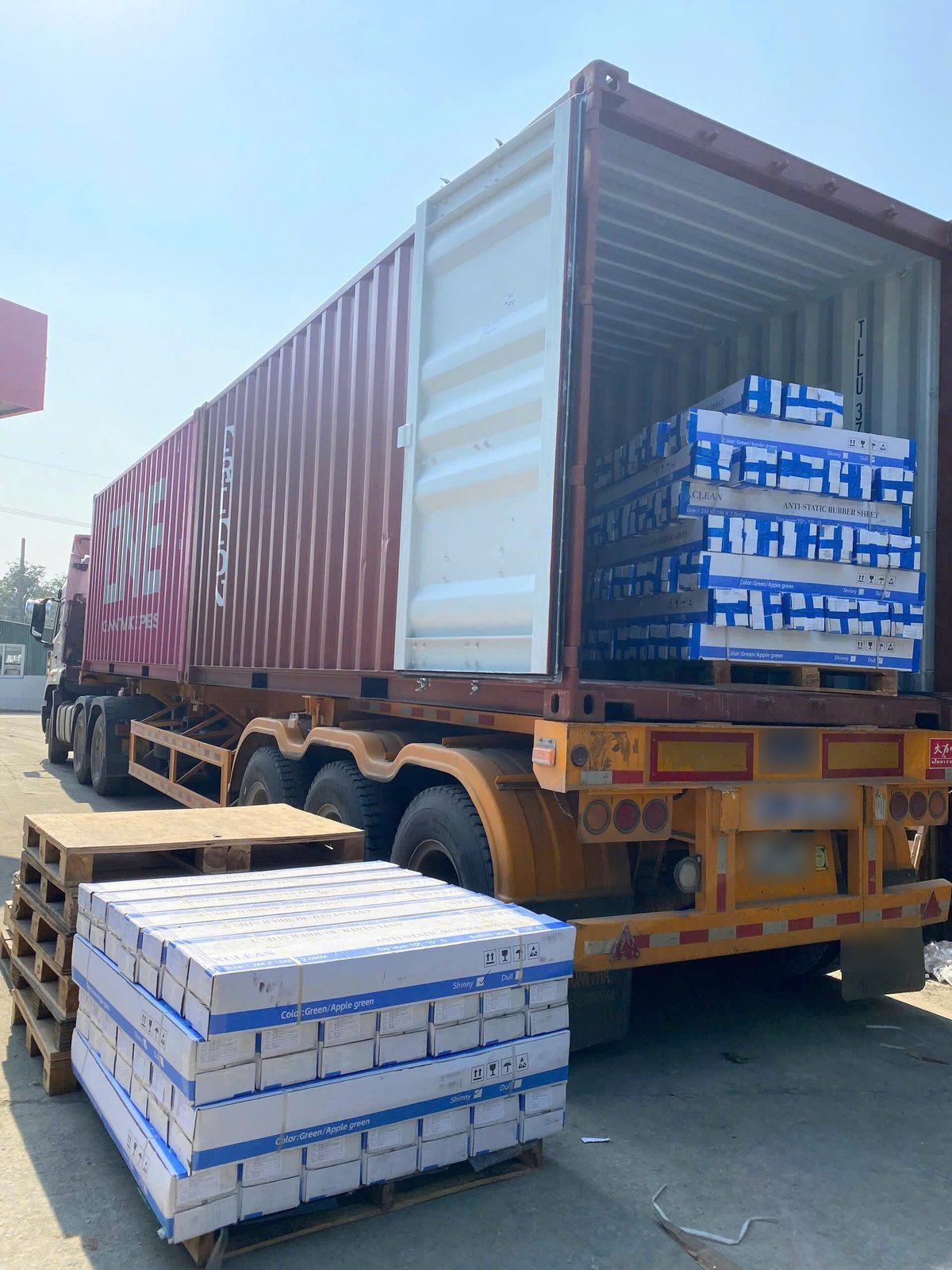
1. Why pallets collapse despite plenty of film
The three most common mistakes:
- The film does not grip the pallet: it is wrapped only around the load, so under hard braking the whole load slides off the wooden pallet.
- The film is not stretched: loose hand wrapping only “covers” the cartons instead of “pressing” them together.
- Incorrect stacking: cartons overhang the pallet edge, heavy cartons sit on top, and layers are stacked in columns (not interlocked), so there is no tie between them.
Adding more turns of film does not fix any of these three mistakes; it just wastes film.
2. Hand wrapping the right way
- Tie the film end to a corner of the pallet (not to a carton).
- Wrap 3–4 turns at the base so that the lower edge of the film covers the wooden pallet body; twist the film into a rope on the last turn to lock it.
- Spiral upward, each turn overlapping the previous one by about half the film width.
- Add 2–3 turns at the top, folding the film edge over the top corners of the highest layer of cartons.
- Spiral back down to the base and finish with 1–2 base-lock turns.
For light loads, use 50 cm pallet stretch film in 2.5–3 kg rolls; for small cartons and pipe bundles, use the 25 cm width. Place corner boards on the 4 corners if the load is soft cartons, so the film can tighten without crushing them.
3. When to use a stretch wrapping machine
Hand wrapping depends on the operator: every shift and every person applies different tension. A turntable pallet stretch wrapping machine with pre-stretch keeps tension constant and has preset base and top turns, so wrapping quality does not change from shift to shift. A machine makes sense when the shipping line handles many pallets per day, or when receiving customers have already complained about shifted loads. Before choosing a machine, prepare: the largest pallet size, the maximum load height, the heaviest pallet weight and the number of pallets per day.
4. Reusable pallet wraps for internal transfers
Goods moving between workshops, or between the warehouse and the factory of the same company, can use a reusable pallet wrap: a fabric wrap with straps that goes around the pallet and buckles shut, is removed on arrival and brought back for reuse. It only pays off if the wraps come back: there must be a collection point, someone counting them and a rule for returning them. Goods delivered to customers or exported should still use PE film.
Comparing 3 ways to secure loads on pallets
| Method | Suitable for | Notes |
|---|---|---|
| Hand wrapping with 50 cm pallet stretch film | Few pallets per day, varying load sizes | Requires training on base locking and overlap; quality depends on the operator |
| pallet stretch wrapping machine | Fixed shipping lines, many pallets per day | Needs floor space for the machine and forklift access in and out |
| reusable pallet wrap | Internal transfers with wrap recovery | Needs a wrap return procedure; not for goods delivered to customers |
| Stacked industrial plastic bins B2–B8 | Components and semi-finished goods moving between workshops | Bins of the same size standard lock into each other when stacked and rarely need wrapping |
Checking a wrapped pallet
- Pull the film at the base: it must grip the wooden pallet body firmly and not slide up.
- Press a hand into the middle of the load: the film is taut and does not sink in to form a pocket.
- Look from above: no carton overhangs the pallet edge.
- Push a top corner gently: the whole load moves with the pallet, the top layer does not sway on its own.
For how to lay out the packing area, racks and trolleys in the warehouse to reduce picking errors and slow picking, see Warehouse logistics solutions: wrong pick locations and slow picking.
Frequently asked questions
How many turns of film are enough? There is no fixed number of turns; what matters is 3–4 base-lock turns gripping the pallet body, each body turn overlapping by about half the film width, and 2–3 turns at the top. For heavy loads or long-distance transport, increase the base and top turns.
When is it worth investing in a pallet stretch wrapping machine? When the shipping line handles many pallets per day, shifted loads keep recurring, or film consumption is high because of loose hand wrapping. Send PRIMEAG the pallet size, load height and weight to select the machine type.
Can a reusable pallet wrap replace PE film? Yes, on internal transfer routes where the wraps are recovered. Goods delivered to customers or exported should still be wrapped in PE film, because the wraps will not come back.
Updated: 30/10/2026 — PRIMEAG engineering team
Mon–Sat, 8:00–17:00 (GMT+7) · Phone/Zalo: +84 906 108 292 · Email: info@primeag.vn
Start where it suits you: Free technical advice · Send a drawing or layout · Get a quote within 30 minutes
Written by the PRIMEAG engineering team
Updated: 2026-10-19