
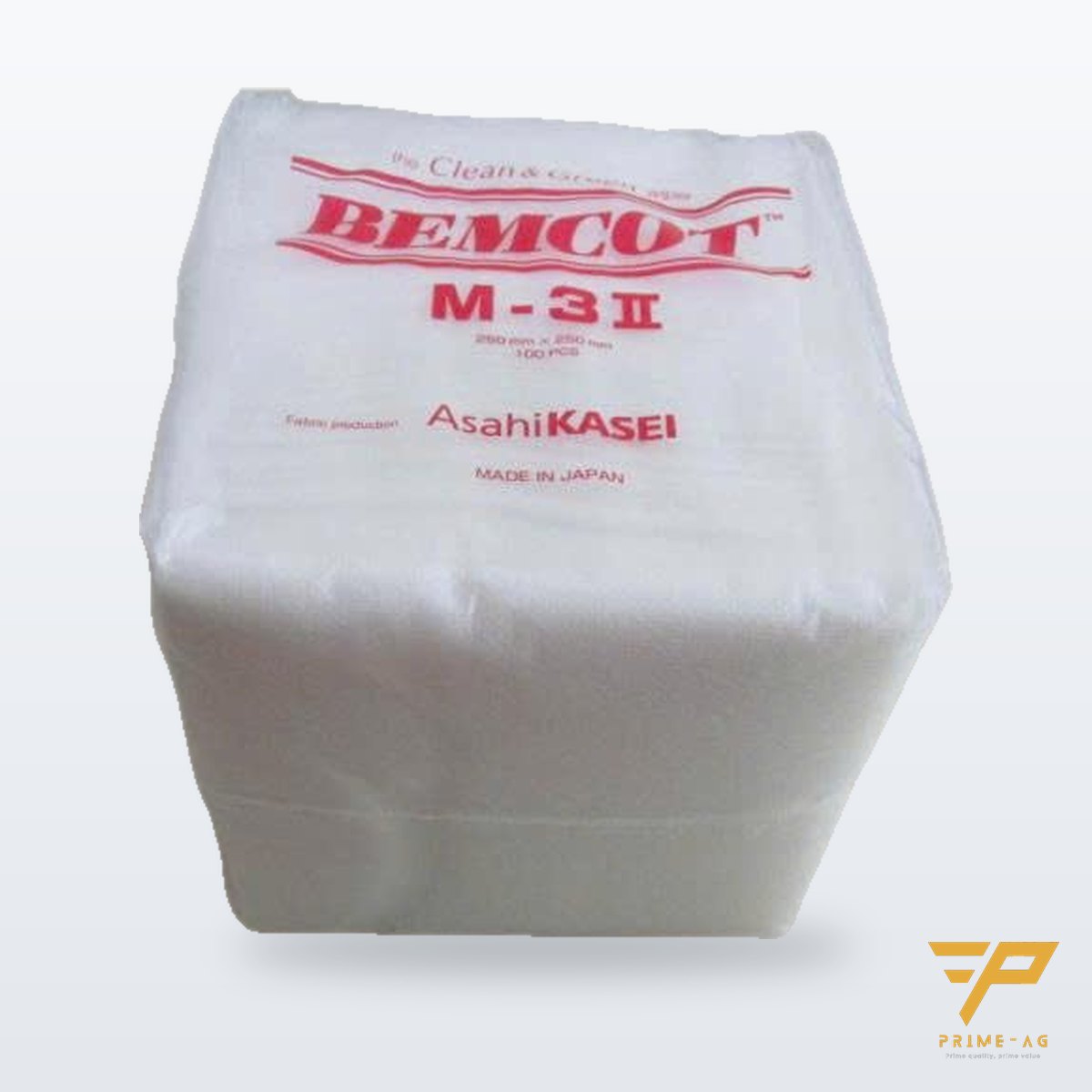
Where do sewing machine oil stains on garments come from in a Vietnam factory? Usually excess oil splashing from the needle bar, presser foot and rotary hook; only after that the machine table, workers’ hands and containers. Check in this order and test-sew on scrap fabric after every oiling. PRIMEAG supplies Bemcot 250 × 250 mm wipes and cotton gloves for wiping and inspection.
In the inspection area, oil defects show up as small dots or grey streaks along the seam, most visible on white and light-colored fabric. They tend to cluster at the start of the shift and after the mechanic oils the machines. Spot-cleaning each piece is labor-intensive; the defect only stops recurring once the real oil source is found.
- First suspect: over-oiling or off-schedule oiling, machine not run off on scrap fabric.
- Check next: needle bar, presser foot, rotary hook, machine table top, hands and gloves, WIP containers.
- Stop it at the line: test-sew after oiling, wipe machines with disposable wipes, well-lit inspection table.
- Goods already stained: move them to a separate treatment area and test the stain remover on a fabric swatch first.
1. Check the sources of sewing machine oil stains on products in order
- Oiling schedule and amount. If stains appear right after the latest oiling, it is almost certainly excess oil that has not been run off.
- Needle bar, presser foot, rotary hook. Oil runs down the needle bar onto the fabric or splashes from the rotary hook.
- Machine bed, table top. Oil pools around the table surface and sticks to fabric dragged across it.
- Workers’ hands, gloves. Workers adjust the machine or change a needle themselves, then handle products straight away without wiping their hands.
- WIP bins and carts. Bin bottoms and cart handles are oily.
- Needles, thread. Oily thread carries oil into the seam.
2. Read the stain position to narrow it down
| Stain position | Likely source | Action |
|---|---|---|
| Oil dots right next to the seam, repeating in the same place | Needle bar, presser foot, excess oil | Run off on scrap fabric; wipe the needle bar and presser foot |
| Grey streak running along the stitch line | Oily thread or needle; oil splashing from the rotary hook | Check the rotary hook, discard the oily length of thread |
| Streak at the fabric edge or underside | Oily machine table top | Wipe the table top at the end of the shift with a clean wipe |
| Fingerprints where the piece is held | Oily hands or gloves after machine adjustment | Wash hands, change to clean gloves |
| Stain on the side touching the bin bottom, not following the seam | Dirty WIP bins and carts | Clean bins and carts on a schedule |
| Clustered at the start of the shift or after oiling | Over-oiling, wrong schedule | Meter the amount of oil, test-sew after oiling |
3. Stop defects right at the line
Test-sew after every oiling
Make it a written rule: after oiling, run the machine on scrap fabric until the seam shows no oil marks before sewing production goods.
Wipe machines at the end of the shift with low-lint wipes
Bemcot M-3 II wipes are made of 100 % cellulose, 250 × 250 mm, absorb water up to about 13 times their own weight and withstand IPA. Packed 100 sheets/bag, 30 bags/carton.
Clean hands at finishing and inspection
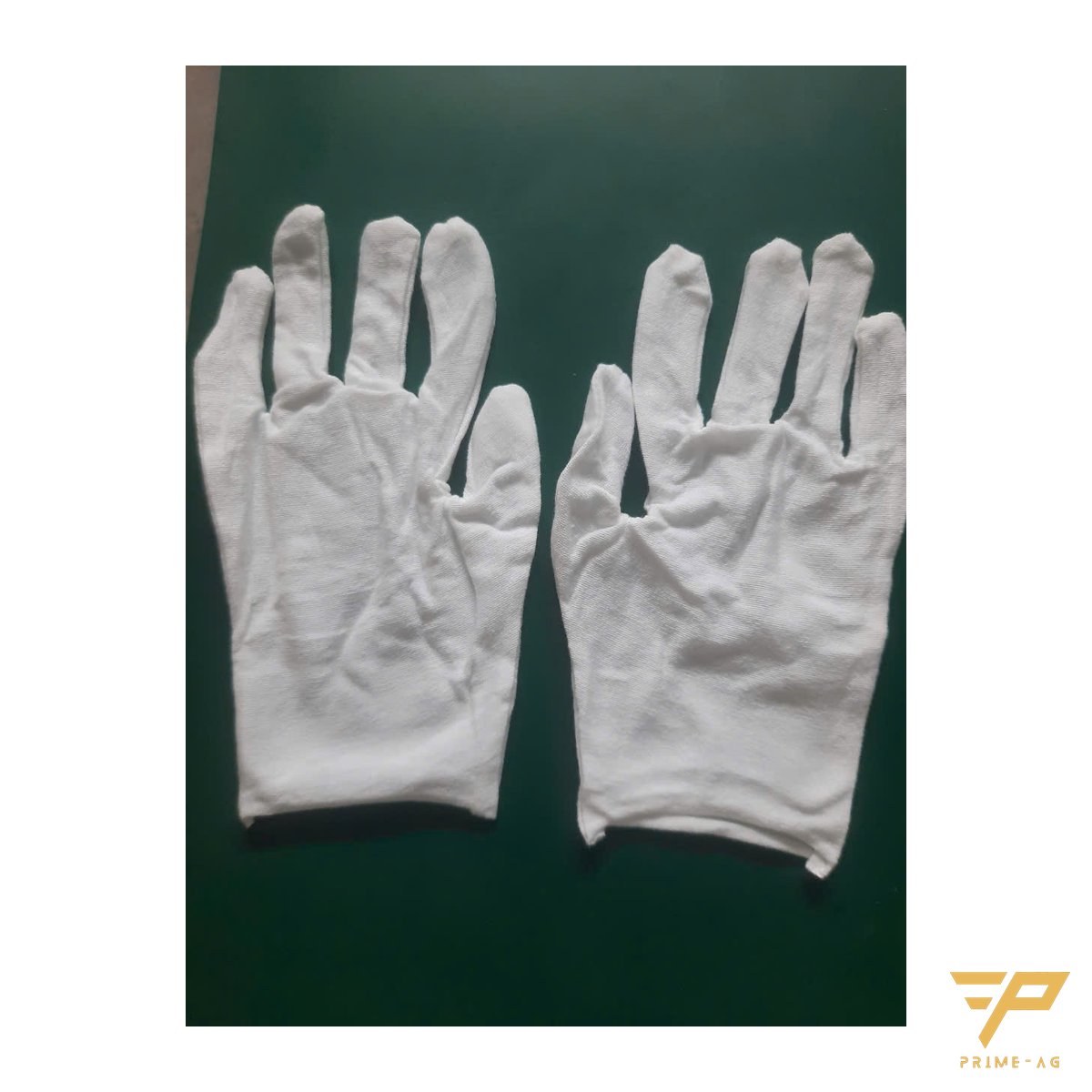
Finishing and inspection workers wear cotton gloves. Oily or dirty gloves are changed immediately. Cotton absorbs sweat but sheds fibers, so the inspection area must be kept free of lint as described in setting up the finishing area against lint and dust on garments.
Well-lit inspection tables, clean containers
Faint oil stains only show under even lighting; where an inspection table is poorly lit, add a desk lamp for the inspection table. Move WIP between operations in clean bins and carts; see also how to organize WIP racks and trolleys along the sewing line.
4. Goods already stained with oil: separate them, test before removing
Take the products to a stain-treatment area separate from the line so they do not contaminate clean goods. Use a dedicated fabric oil-stain remover, always testing it first on a swatch of the same fabric to check for fading and bleeding.
Where to start
- Collect the most recent oil-stained products, mark the stain positions and compare them with the table in section 2.
- Get the oiling schedule of the machines involved.
- Apply the scrap-fabric test-sewing rule immediately.
Frequently asked questions
- Why do sewing machine oil stains appear at the start of a shift? — Machines are usually oiled at the start of the shift. Excess oil that has not been fully run off ends up on the first pieces, so test-sew on scrap fabric first.
- Is it OK to wipe sewing machines with old rags? — Not recommended. Reused rags are already soaked with oil and shed fibers easily. Bemcot wipes are low-lint, absorbent and single-use, so they do not bring old oil back onto the machine.
- Can cotton gloves be washed and reused? — Yes. Cotton gloves can be machine-washed at 40 °C and reused about 5–10 times. Oily gloves should be changed immediately and not worn when handling light-colored goods.
Email: info@primeag.vn · Phone/Zalo: +84 906 108 292
Written by the PRIMEAG engineering team
Updated: 2026-10-28