
Sticky mats that lose their tack after a few passes are usually down to a peel schedule too sparse for the foot traffic, a damp floor, wet or oily shoe soles, peeling from the wrong corner, or mats left in sun or heat. PRIMEAG suggests checking each point in turn, peeling a sheet every shift at busy entrances, and using 60-layer mats and washable silicone rollers.
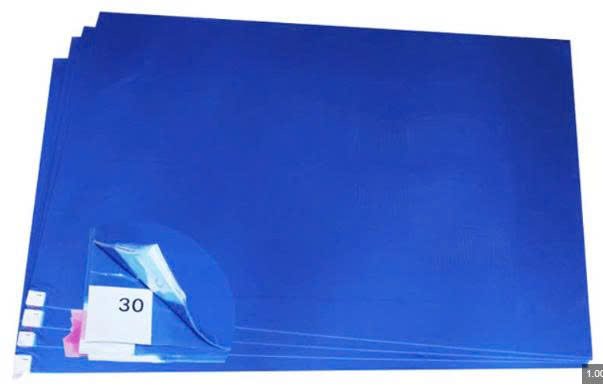
A fresh 30-layer mat goes down, yet it has to be changed before the morning shift is over. Before blaming the adhesive, look at where the mat is laid, how it is peeled and how people step across it.
- Check first: does the peel schedule keep up with foot traffic each shift?
- Torn sheets: usually from pulling straight up or not peeling from the numbered corner.
- Sticking to shoes: damp or dusty floor, or the mat sits in the sun.
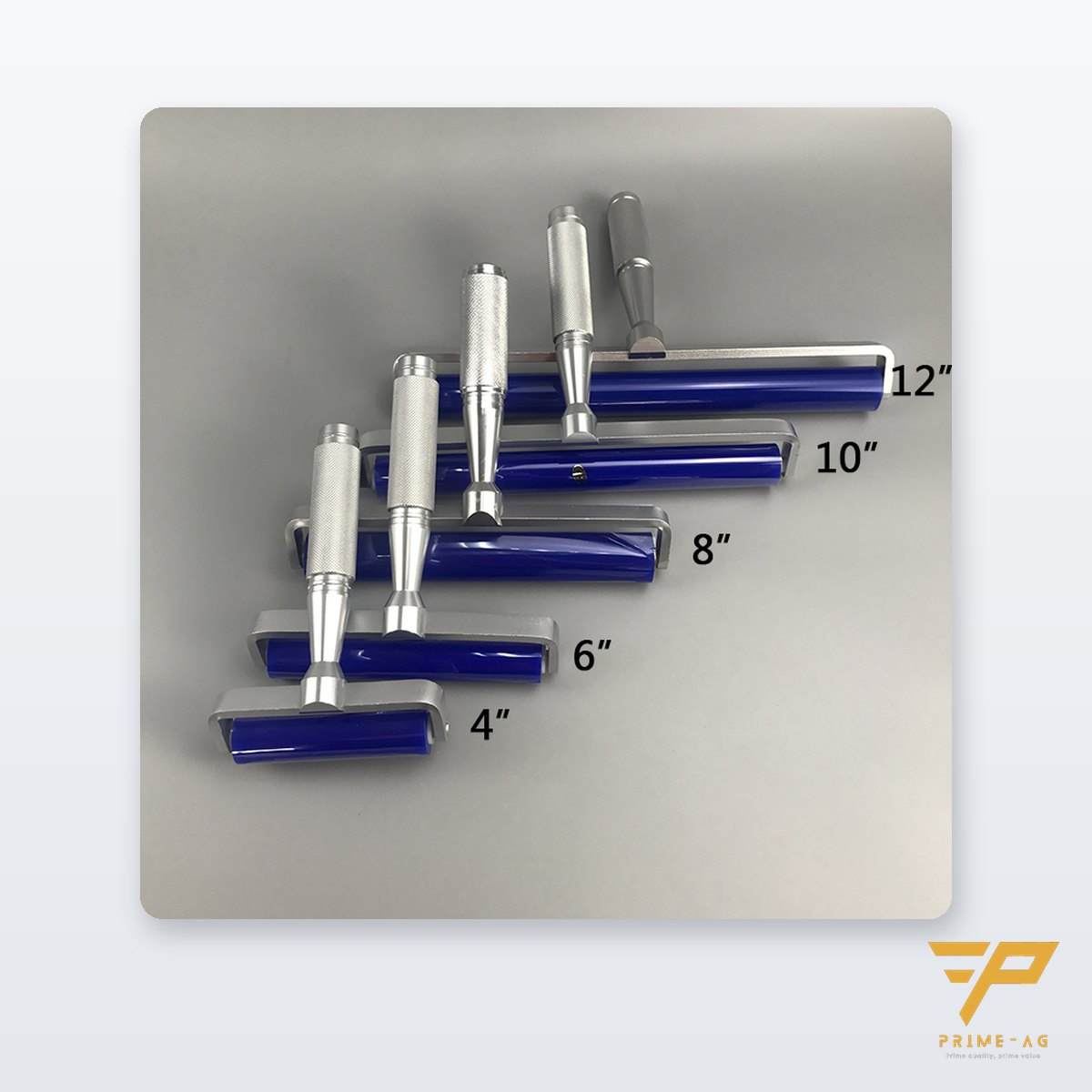
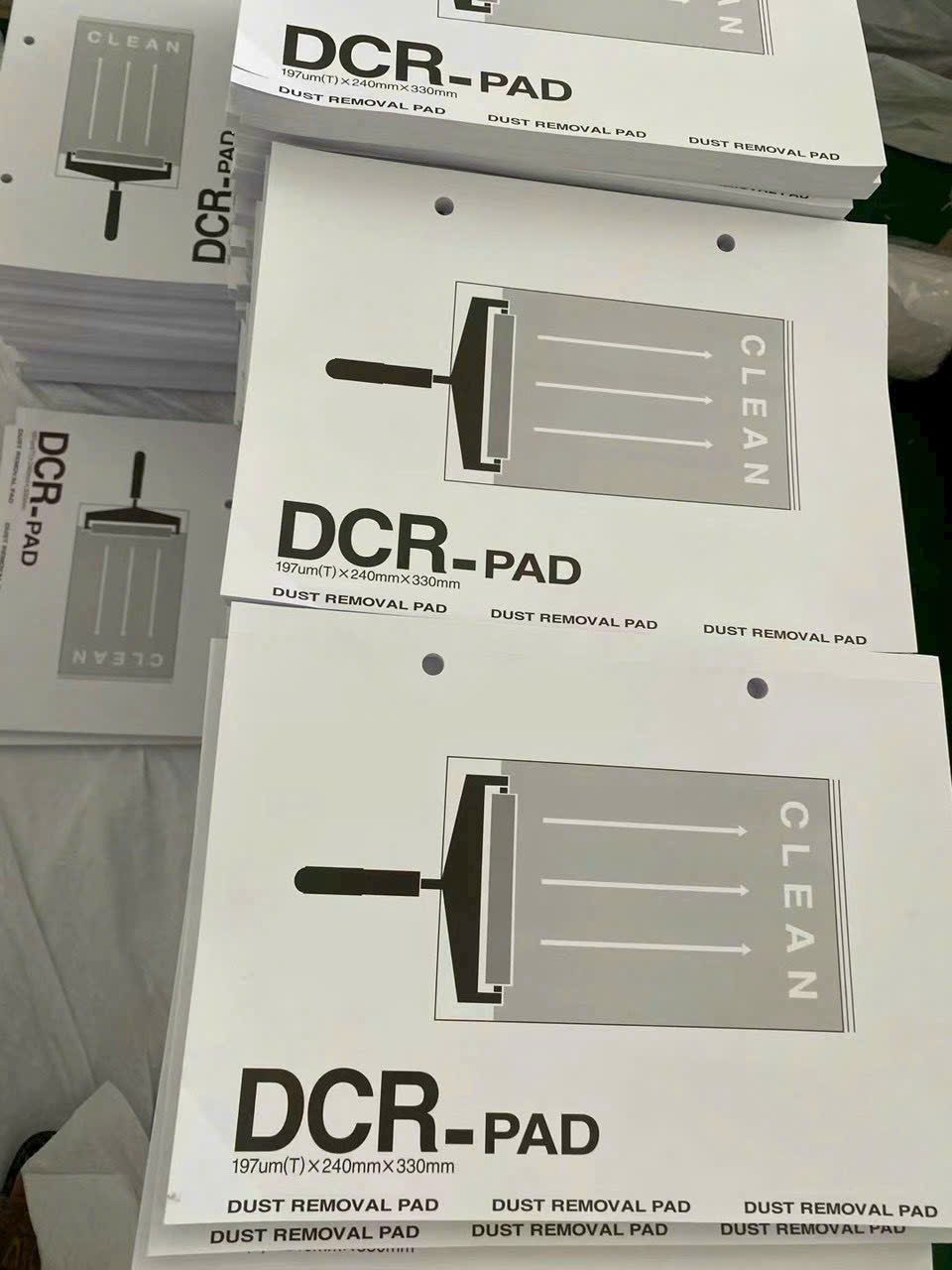
- Rollers: where they must be washable, use silicone with DCR pads.
Causes, in the order to check them
1. Foot traffic outpaces the peel schedule
Once dust covers the adhesive, it stops catching particles. Peel when the surface is about 30–50 % dulled.
2. Damp or dusty floor under the mat
The backing adhesive will not grip a wet floor; the edges lift and get carried off on shoes. Make sure the floor is dry, clean and flat before laying.
3. Peeling from the wrong corner or in the wrong order
Each sheet has a number at one corner. Peel from that corner, pull diagonally inwards and roll the dirty side into the middle. Pulling straight up easily tears the sheet in two.
4. Wet or oily shoe soles
Water and oil coat the adhesive, and a few steps later the tack is gone. In washing and processing areas, dry the soles or change shoes before the mat.
5. Wrong number of layers for the location
30-layer mats suit warehouse doors; cleanroom entrances should use 60-layer mats.
6. Mats left in the sun or heat
Heat makes the adhesive flow and the sheets bond to each other, so they tear when peeled. Keep boxes sealed in a cool, dry place, first in first out.
7. Paper rollers used where a washable core is needed
Paper rollers have 50 sheets, each good for about 3–5 passes; on damp or oily surfaces they fail early.
Ruling out causes and setting a peel schedule
Record the number of sheets left at the start and end of each shift for one week to find your real peel rate.
Each foot should touch the mat at least three short steps.
| Location | Mat type | When to peel |
|---|---|---|
| Warehouse or workshop door, low traffic | 600 × 900 mm, 30 layers | When the surface is 30–50 % dulled |
| Changing-room entrance, busy at shift change | 60-layer mat | At the start of each shift, extra peel if footprints show |
| Trolley aisle | 900 × 1200 mm or 2 mats side by side | When wheel tracks show clearly |
When to replace the whole mat
When all sheets are used, the backing has lifted and will not press back down, or the box has been in storage so long the adhesive has weakened.
Choosing the right consumables
Cleanroom sticky mats in 600 × 900 mm, 0.04–0.05 mm PE film, water-based acrylic adhesive, 10 mats per box.
For rolling trays and surfaces that need washing: silicone sticky rollers with 304 stainless steel handles, 6, 8 or 12 in wide. If oily, wash with warm water and mild soap; replace the core once it hardens after 6–12 months.
Silicone rollers are cleaned by rolling them over a DCR sticky pad, 50 sheets per pad. Peel a sheet after about 20–30 rolls; avoid temperatures above 50 °C.
For lint-rolling clothes in changing rooms, paper sticky rollers with a 38 mm core are still a good fit. Roller machines use PP sticky rolls for roller machines with a 76.5 mm core.
Sticky mats and rollers are trading goods; PRIMEAG delivers within 24–48 hours to factories in Ho Chi Minh City, Binh Duong and Dong Nai.
When you need an extra barrier
If particle counts stay high even with the right peel rate, dust is coming in on clothing; then you need an air shower. Entrance layouts are covered in controlling dust at clean-area entrances with air showers and sticky mats.
Quick check at the door
- Is there any way to walk around the mat?
- Is the floor under the mat dry and flat?
- Does whoever peels the sheets start from the numbered corner?
Frequently asked questions
- Can sticky mats replace an air shower? — No. Mats reduce dust carried in on shoe soles; dust on clothing needs a gowning procedure and an air shower.
- Why does the bottom layer of the sticky mat stick to shoes? — A damp or dusty floor, or a mat that has got hot, weakens the backing adhesive. Dry the floor, lay a new mat and use an aluminium frame to hold the edges.
- Can DCR pads be used with paper lint rollers? — Not needed. DCR pads are for cleaning silicone cores; paper rollers have their own adhesive, so just tear off the dirty outer sheet.
Email: info@primeag.vn · Phone/Zalo: +84 906 108 292
Written by the PRIMEAG engineering team
Updated: 2026-10-24