
3M 1100 earplugs have an SNR of 37 dB in the lab, but on the shop floor they usually deliver only 1/3–1/2 of that figure, and even less if inserted loosely. PRIMEAG recommends the Roll–Pull–Hold fitting method, a cupped-hands self-check, and switching to corded 1110, silicone 1270/1290 or earmuffs when foam plugs do not suit.
“I’ve put in 3M 1100 earplugs but the stamping press is still loud — is something wrong with them?” Safety teams at factories in Vietnam hear this often next to stamping presses, injection molding machines and plastic granulators. Usually the plugs are not defective; what needs a second look is the number on the box and how they are worn.
- SNR 37 dB is a lab figure: in the field it usually drops to 1/3–1/2.
- Fit is what matters: Roll–Pull–Hold, with most of the plug inside the ear canal.
- Target: below 85 dBA at the ear, not silence.
- Dirty hands, frequent in and out: consider 1110, 1270/1290 or earmuffs.
How many dB do 3M 1100 earplugs really reduce?
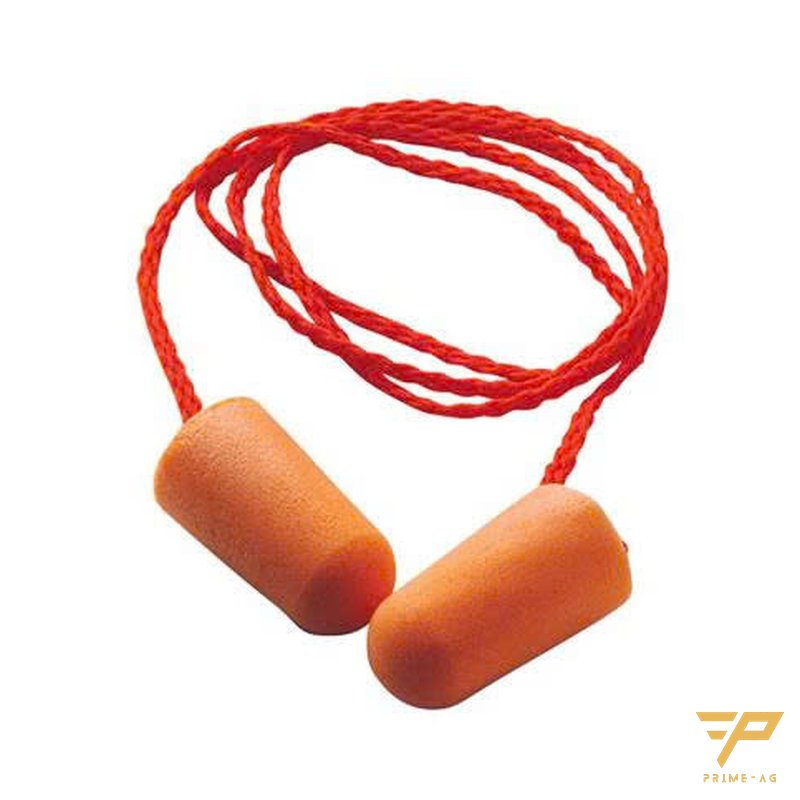
According to the 3M noise-reduction earplugs page, the 1100 is a disposable, uncorded PU foam earplug, SNR 37 dB, H/M/L 37/34/31 dB: the plug blocks low frequencies less well than high frequencies.
3M documentation states that real-world attenuation is usually only 1/3 to 1/2 of the test result, i.e. about 12–18 dB for an SNR of 37 dB. If the box shows NRR, OSHA derates it as (NRR − 7) ÷ 2: an NRR of 29 dB counts for only about 11 dB.
The limit to meet
QCVN 24:2016/BYT allows 85 dBA over 8 hours; every 3 dBA increase halves the permitted time, and the peak must not exceed 115 dBA. Suppose the operator position measures 97 dBA: worn correctly, the level at the ear drops to about 79–85 dBA. Just enough. Loosely inserted, it fails.
Still noisy with plugs in: check in this order
1. Only the tip of the plug is inserted
Most of the plug body must sit inside the ear canal.
2. Skipping the roll and the ear pull
- Roll: roll the foam plug into a thin, tapered cylinder.
- Pull: reach over your head with the other hand, pull the ear up and back, and insert the plug.
- Hold: keep a finger on the plug until the foam expands to seal; when your own voice sounds muffled, it is right.
Self-test: cup both hands tightly over your ears; if the noise drops noticeably further, the plugs are not sealed.
3. Removing the plugs “just for a moment”
A few minutes without protection in a noisy area sharply reduces the protection over the whole shift. Hearing damage is cumulative and irreversible.
4. Reusing foam plugs
1100 plugs get dirty and lose their resilience after 1 shift. Do not share them.
5. Over-protection
Blocking too much makes it hard to hear alarms and voices, so wearers tend to take the plugs out. Adequate attenuation worn for the whole shift is better.
When to switch to 1110, 1270/1290 or earmuffs
| Situation | Recommended | Reason |
|---|---|---|
| Stationary work, clean hands | 3M 1100 | Foam seals well, 200 pairs/box |
| Frequently removed and reinserted, plugs get dropped | 3M 1110 corded | SNR 37 dB, cord keeps plugs attached, 100 pairs/box |
| Hands with oil or metal dust from grinding | 3M 1270 or 1290 | Silicone, push straight in, washable; SNR per box label |
| Moderate noise, 8-hour average up to 95 dBA | 3M 1270 | Per 3M recommendation |
| Constantly entering and leaving noisy areas | 3M Peltor X earmuffs | No rolling needed; order item |
Store reusable plugs in their case, away from sunlight; replace them when the flanges crack or harden. For earmuffs, ask via the 3M Peltor X earmuff consultation page.
Related protective equipment
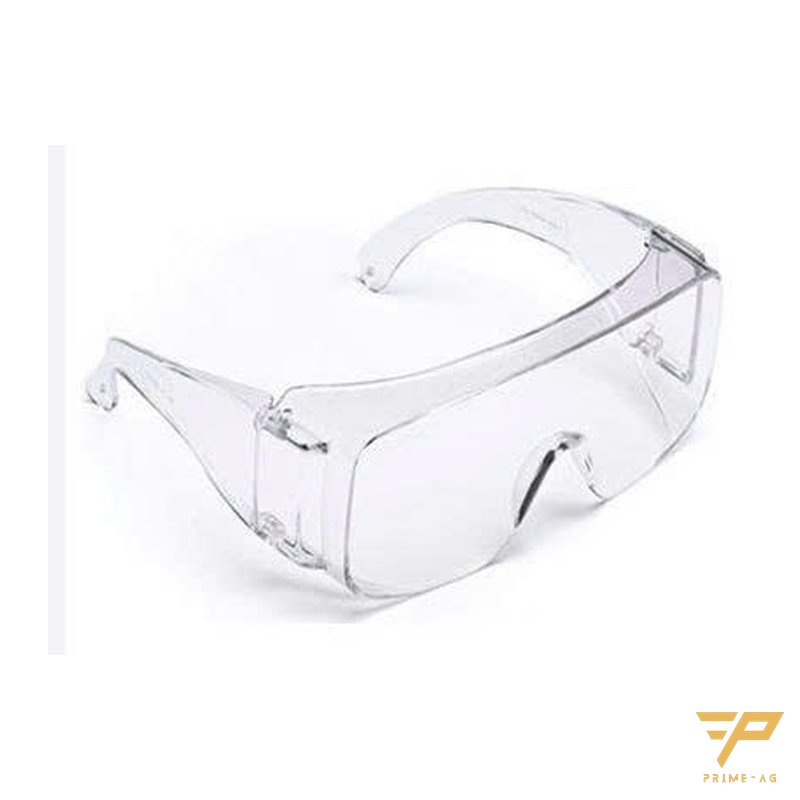
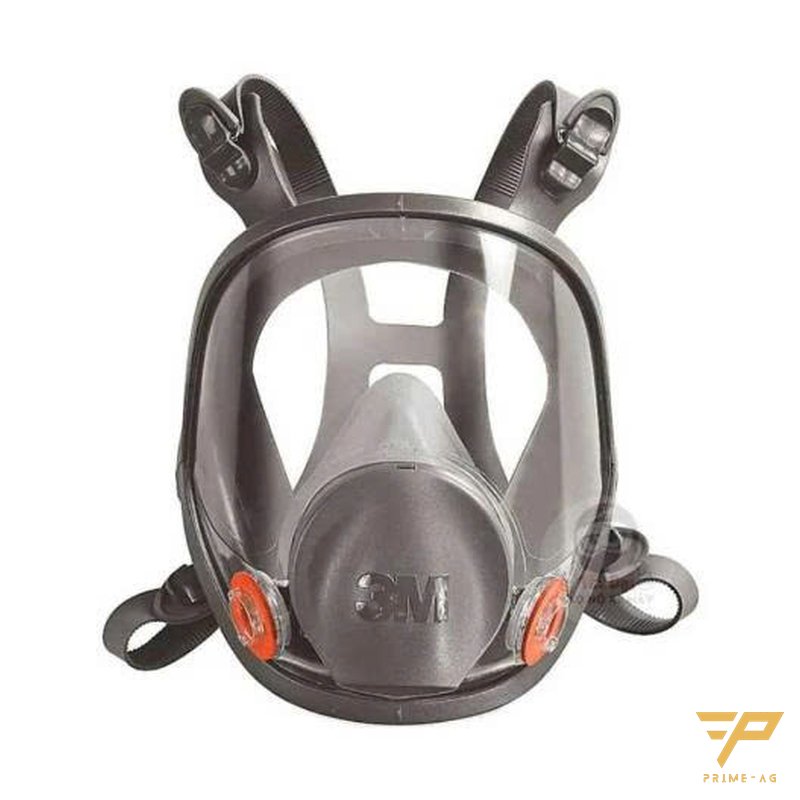
Next to grinders, eyes need the right type of safety glasses; if glasses wear out quickly, read safety glasses fogging and scratching, and how to choose again. Areas with solvent vapors also need safety helmets and respirators; if odors still get through, read respirator wearers still smelling solvent.
Pre-shift self-check
- dBA readings are available for each machine position.
- Roll–Pull–Hold instructions are posted at the entrance to noisy areas.
- New foam plugs are issued every shift.
- Team leaders spot-check with the cupped-hands test.
Masks, safety glasses and earplugs are stock items, delivered within 24–48 hours in Ho Chi Minh City, Binh Duong and Dong Nai. Send the noise levels and headcount via the quote form for pricing within 30 minutes.
Frequently asked questions
- How many times can 3M 1100 earplugs be reused? — They should not be reused. These are disposable foam plugs; after one shift they are dirty, flattened and seal poorly.
- Can workers still hear alarms while wearing earplugs? — Yes, as long as the attenuation chosen is not too high. The aim is only to bring the level at the ear below 85 dBA.
- What is the difference between SNR 37 dB and NRR? — SNR follows the European standard EN 352-2, NRR the US standard; for the same product, NRR is usually lower. Do not compare the two ratings directly.
Updated: 29/10/2026 — PRIMEAG engineering team
Email: info@primeag.vn · Phone/Zalo: +84 906 108 292
Written by the PRIMEAG engineering team
Updated: 2026-10-29