
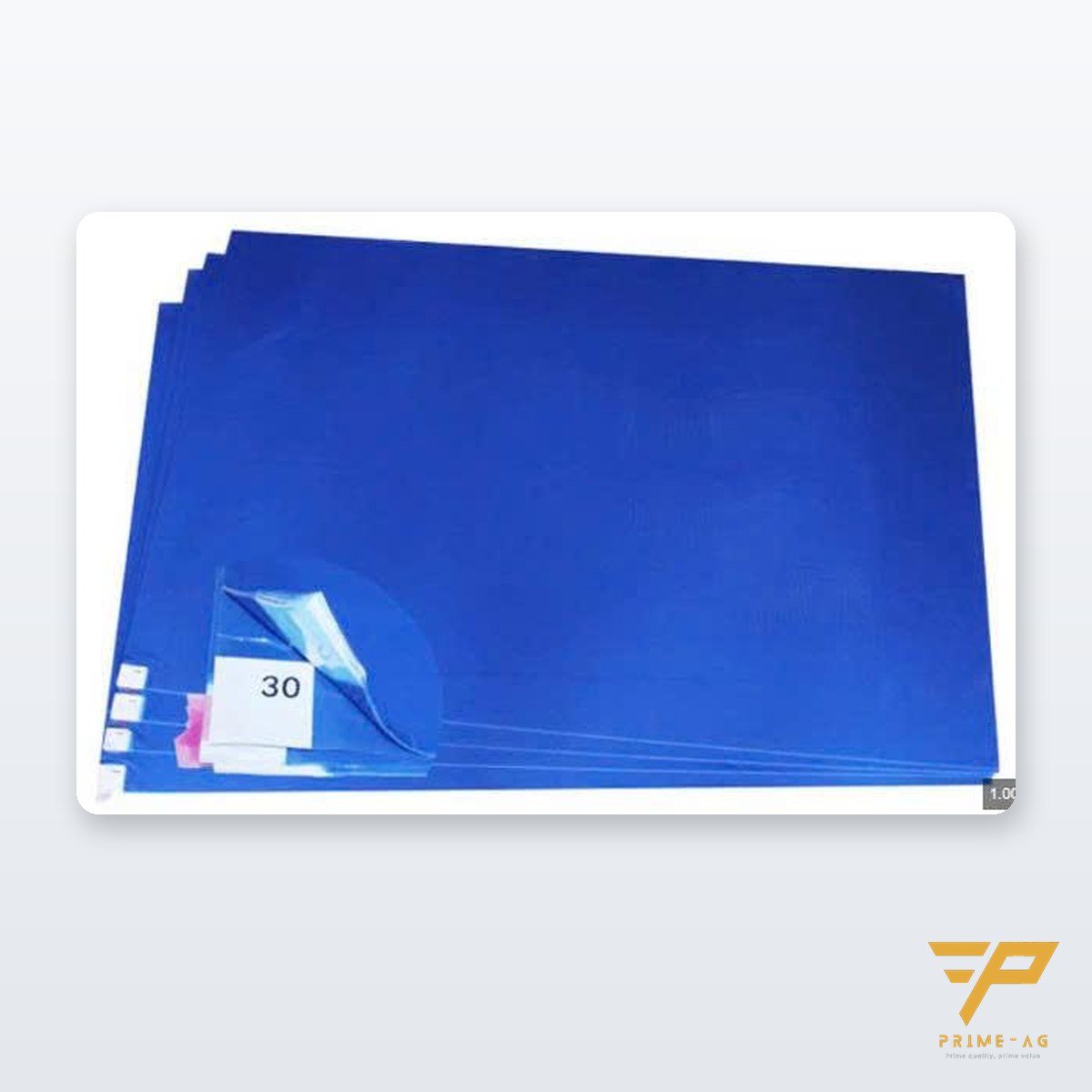
Dust nibs in PU finishes usually come from sanding dust not wiped off, lint from cotton rags, dust carried into the spray booth by shoes and trolley wheels, or an open flash-off/drying area. PRIMEAG recommends wiping with low-lint wipers, placing a 600×900 mm, 30-layer sticky mat at the spray booth door, then checking the air filters.
A cabinet door panel has just left the spray booth; tilt it under the light and you see scattered raised specks. The sealer was sanded flat and the paint was mixed at the right ratio, so where does the dust come from? For furniture factories in Vietnam, check in the order below, from the most common sources to the hardest to spot.
- Confirm it really is dust: raised specks, evenly scattered, rough to the touch.
- Check in order: surface after sanding → wiping rags → shoes, trolleys → drying area → clothing, air filters.
- Block each point with low-cost consumables before investing in a new spray booth.
Is it really dust?
Dust nibs are raised specks of fairly uniform size that feel rough when you run a finger over them; air bubbles and orange peel are different defects. Inspect under a raking light: whether dust collects at the edges or is evenly scattered points to the source.
Causes, in the order to check them
1. Sanding dust still clinging
Blowing with air only lifts the dust, which then falls back into the wood grain and molding grooves. Clogged sandpaper also creates pills; for coatings use open-coat abrasives, see sandpaper and abrasives.
2. Lint from cotton rags
Scrap-cloth rags shed fibers that show clearly under a glossy PU coat. Switch to low-lint 1009 polyester wipers: continuous filament, laser-sealed edges, IPA-resistant. 0609 paper wipes shed more lint and are only for soaking up liquids.
3. Shoes and trolley wheels
Shoe soles carry dust over from the sanding area. Place a 600×900 sticky mat at the spray booth door and at the drying area: 30 layers of 0.04–0.05 mm PE film, water-based acrylic adhesive, each layer numbered in the corner. For trolley lanes use the 900×1200 size or join 2 mats.
4. Open drying area
Wet panels next to walkways, fans or sanders will collect dust. Separate the drying area from the sanding area, as in the article drying racks for painted panels in wood workshops.
5. Painters’ clothing, air filters
Painters should have dedicated garments and not wear clothes already dusty from the sanding area. If all the sources above are blocked and dust is still evenly scattered, clean or replace the air filters according to the booth manufacturer’s instructions.
How to remove dust before spraying
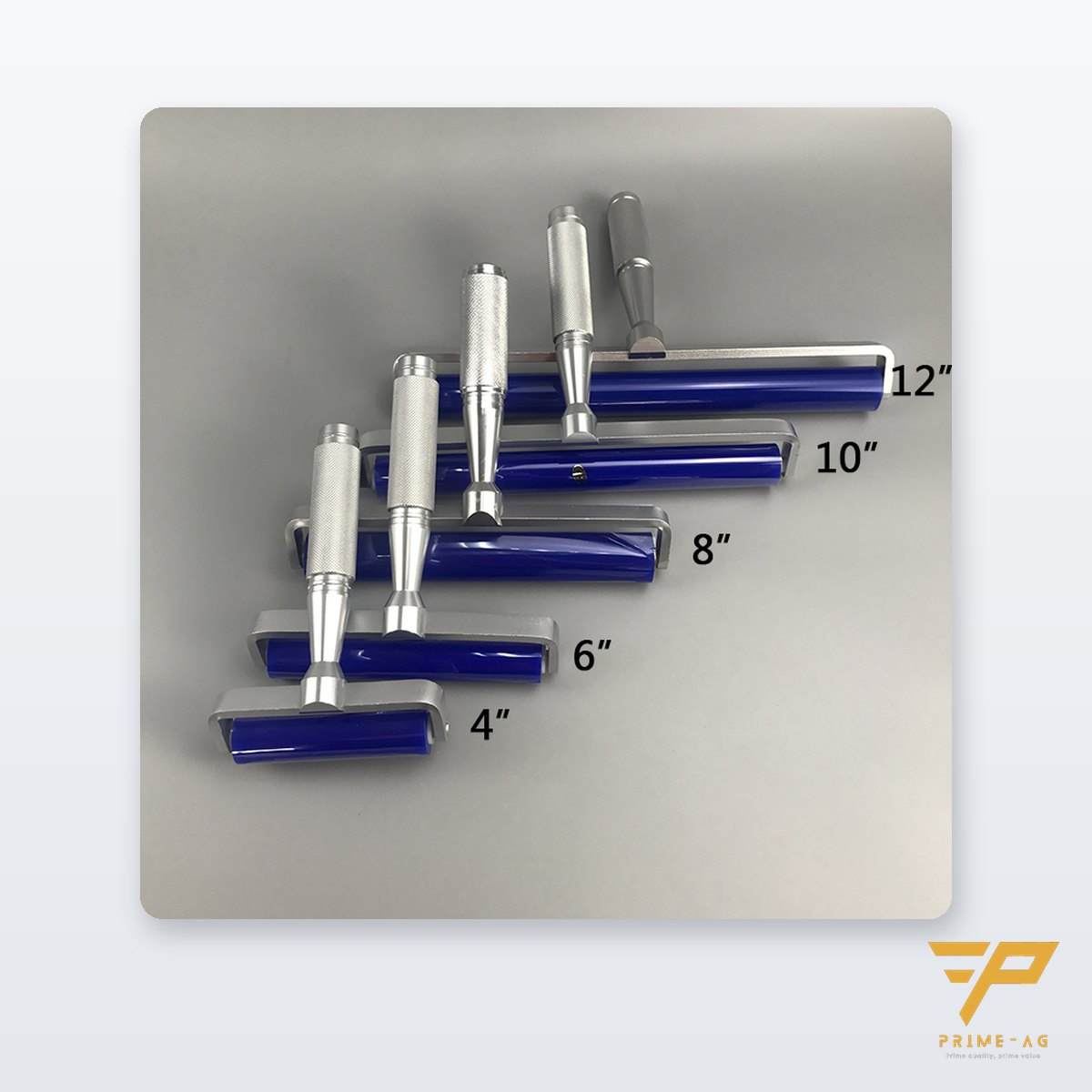
Roll flat surfaces with a silicone dust-removal roller in 6, 8 or 12 inch widths, then roll it over a DCR pad to release the dust. The roller has no adhesive layer; choose a type without free silicone, since the part will be painted afterwards.
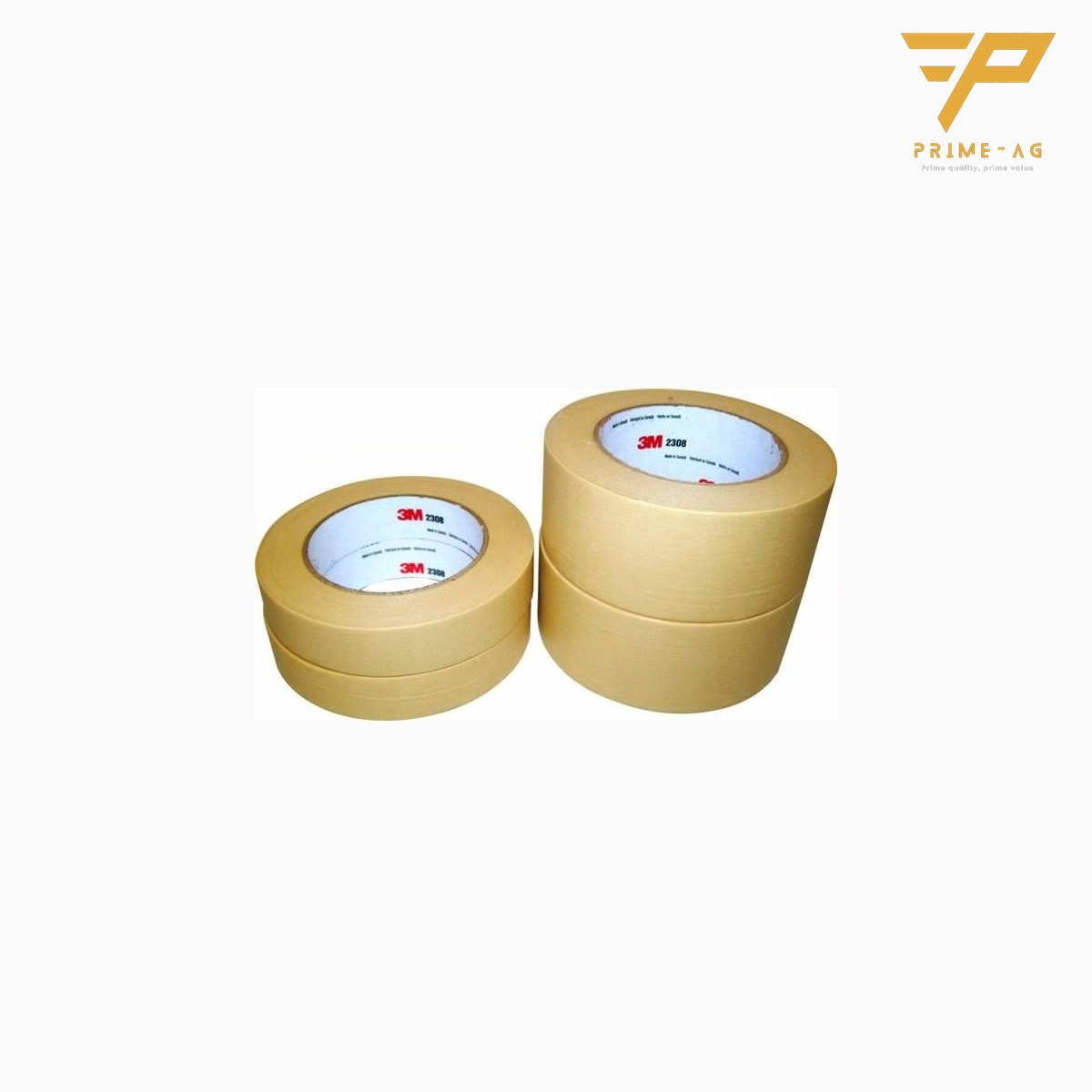
Mask non-painted areas with 3M 2308 masking tape instead of newspaper or cloth covers, which shed lint easily. The crepe backing follows curved edges and withstands one bake at up to 121 °C for 30 minutes. If the tape leaves adhesive when removed, read the article masking tape leaving residue and paint bleed at edges.
When to replace consumables
- Mat: peel off a layer when about 30–50 % is dulled by dust, or every shift at busy doors.
- Roller: replace the roller core when the silicone hardens, typically every 6–12 months.
- Wipers: discard once dirty; do not wash and reuse them for pre-spray wiping.
| Dust pattern | Suspected source | How to block |
|---|---|---|
| Collected in molding grooves, edges | Sanding dust | Low-lint wipers, silicone roller |
| Fine fibers | Cotton rags, painters’ clothing | 1009 wipers, dedicated garments |
| Coarse particles, increasing toward end of shift | Shoes, wheels | Mat at the booth door |
| Evenly scattered on every panel | Air filters | Clean, replace filters |
Where to start
- Photograph 5 defective panels under raking light and mark the nib locations.
- Use low-lint wipers for one week and compare the number of panels needing rework.
- Place a mat at the spray booth door.
Mats, rollers and tapes are stock items, delivered within 24–48 hours in Ho Chi Minh City, Binh Duong and Dong Nai; ordered items take 3–7 working days. Photograph a defective panel and send it via the quotation request; PRIMEAG replies with a consumables list and prices within 30 minutes.
Frequently asked questions
- Is blowing with compressed air before spraying enough to remove dust? — Usually not. Compressed air lifts dust that then settles back on the panel; wipe with low-lint wipers and roll flat surfaces with a silicone roller.
- Where should sticky mats go in a wood furniture factory? — Right at the entrance to the spray booth and where panels wait to dry, where people and trolleys from the sanding area pass through. Wide lanes can use a larger mat or two mats joined.
- How do I fix dust nibs already cured into the PU film? — Sand the defect spot flat, then respray following the paint supplier’s procedure. More important is finding and blocking the dust source so the defect does not recur.
Updated: 29/10/2026 — PRIMEAG engineering team
Email: info@primeag.vn · Phone/Zalo: +84 906 108 292
Written by the PRIMEAG engineering team
Updated: 2026-10-29