
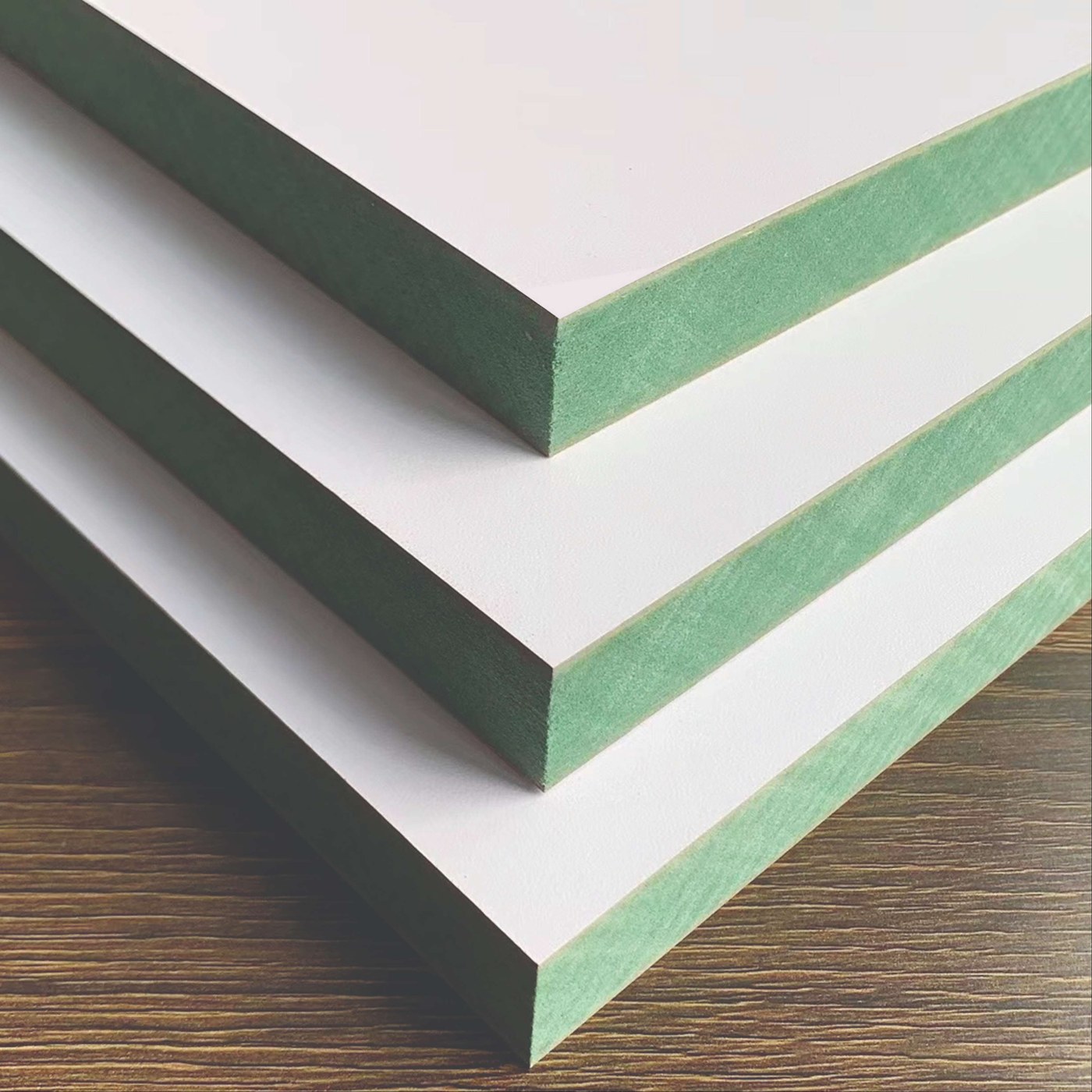
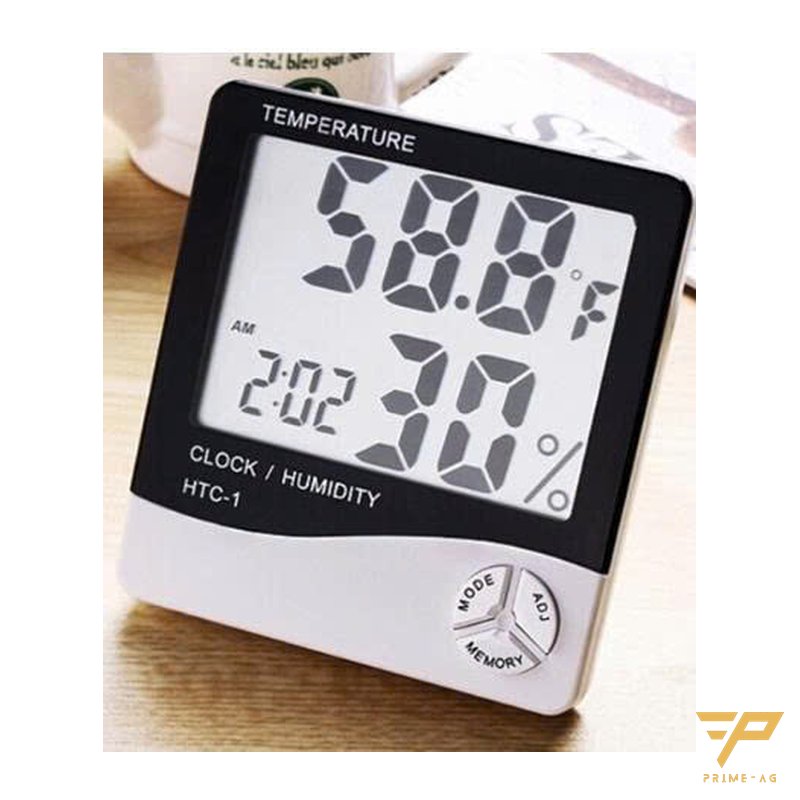
MDF board warping in the blank store of wood factories in Vietnam is mainly caused by widely spaced supports or boards leaning against walls, followed by damp floors and the humidity gap between store and workshop. PRIMEAG recommends flat multi-point support, a thermo-hygrometer, and acclimatizing boards before cutting; use 17 mm moisture-resistant MDF for humid areas.
Lay a long straightedge along the diagonal of the panel. If light shows through a gap in the middle, or both ends lift, the panel is warped. MDF warping in the blank store is usually not a batch problem; most of it starts with how the boards are supported.
- How to spot it: a straightedge laid diagonally shows a gap.
- Check first: support points, boards leaning on walls, damp floor near doors.
- Check next: humidity difference, single-sided overlays, corner impacts.
- Fix: support flat, wrap in PE film, acclimatize boards in the workshop.

MDF board warping: check the causes in order
1. Uneven or widely spaced supports
A 1,220×2,440 mm panel on two or three bearers sags mid-span; bearers at different heights twist the whole stack. The bottom panel warps the most.
2. Leaning against a wall
Boards leaned at an angle for a long time bend to the lean angle, worst on the outermost panel.
3. Damp floor, close to doors exposed to rain
Boards placed directly on concrete or near a roller shutter absorb moisture from below: edges swell and the overlay peels on the bottom panel.
4. Humidity difference between store and workshop
Boards that are flat in the store but warp a few hours after cutting usually point to different humidity in the two areas. Ask your board supplier for the appropriate limit; first you need to see the difference.
5. Single-sided overlay
The bare face absorbs and releases moisture faster than the melamine face, so the panel bows to one side.
6. Corner impacts during handling
Chipped corners are mechanical damage: forklift tines hitting the edge, panels dragged across the stack.
| Symptom | Cause | Remedy |
|---|---|---|
| Bottom panel sags along bearers | Bearers too few or uneven | Add supports at the same height |
| Outer panel bent to the lean angle | Stored leaning | Stack flat, use cantilever racks |
| Swollen edges on lower panels | Damp floor | Raise off the floor, away from doors |
| Warps after cutting | Humidity difference | Acclimatize boards in the workshop |
| Bows to one side | Single-sided overlay | Stack in the same orientation, wrap in film |
| Chipped corners | Impact | Panel trolley, two-person lifting |
How to fix it
Support flat at many points
Use bearers of equal height, evenly spaced. Stores with many SKUs use cantilever racks to separate each group so panels can be picked without restacking; see long, bulky goods: cantilever racks and panel trolleys.
Keep cut panels on multi-tier racks sized to the panel, built from lean pipe (plastic-coated steel pipe, Φ28) with 0.8–1.0 mm steel core and metal joints; add a middle post for tiers carrying more than 100 kg.
Moving boards without hitting corners
A panel trolley with a backrest brings boards to the saw without dragging. Large panels are lifted by two people.
Measure humidity, acclimatize boards in the workshop
Wall-mount and desktop thermo-hygrometers and wood moisture meters give you data instead of guesswork. Bring boards into the workshop, lay them flat and wait as recommended by the supplier before cutting. If the store is too humid, consider a dehumidifier.
Wrap in PE film
Wrap stacks waiting to be cut with 50 cm, 17 µm PE stretch film to reduce moisture and dust; film is no substitute for a roof.
When to replace the board
Panels with edges swollen by water almost never recover; use them for hidden parts or scrap them. Slightly warped panels can be re-supported flat and re-measured; if they still fail, downgrade them.
Parts for humid areas should switch to green-core moisture-resistant MDF with melamine overlay, CNC cut to size: E1 core in 15, 17 or 25 mm thickness, cut to ±1 mm, 1 mm PVC edge banding. For finished goods waiting for shipment, see finished wood furniture getting moldy or warped in the export warehouse.
Self-check your blank store in one shift
- Lay the straightedge diagonally on the top, middle and bottom panels of a stack.
- Count the bearers and compare their heights.
- Read the thermo-hygrometers in the store and the workshop at the same time.
- Photograph chipped corners and note the process step where it happened.
Need racks or trolleys sized to your boards? Send the panel dimensions via the consultation request form; PRIMEAG quotes within 30 minutes. Frames carry a 3-year warranty.
Frequently asked questions
- Can warped MDF boards be flattened again? — Slight warping caused by poor support sometimes reduces when the board is laid flat under an even load; boards with edges swollen by water will not recover.
- Is it OK to store MDF panels upright? — Only for short periods, on a rack that holds the panels close to vertical with full support along the bottom edge; for long-term storage, stack them flat.
- Can green-core moisture-resistant MDF be used in wet areas? — It withstands humidity and can be wiped with a damp cloth, but it is not waterproof board. Edges and drilled holes must be edge-banded or sealed.
Updated: 30 Oct 2026 — PRIMEAG engineering team
Email: info@primeag.vn · Phone/Zalo: +84 906 108 292
Written by the PRIMEAG engineering team
Updated: 2026-10-30