
Why does wooden furniture go mouldy in the warehouse before export from Vietnam? Usually because the wood is still damp when packed, warehouse humidity is not controlled and crates sit directly on the floor. PRIMEAG recommends measuring wood moisture before stretch wrapping, hanging a thermo-hygrometer in the warehouse, putting pallets on racks off the floor and placing 20 g silica gel packs in export cartons.
A container of wooden cabinets is returned by the customer because of mould spreading over the cabinet backs, even though QC found them clean when they left the factory. The mould grew over weeks in the warehouse and at sea, from moisture already trapped in the packages.
- Mould, warping and veneer blisters all come from moisture: in the wood, in the warehouse or trapped in the package.
- Check in this order: wood moisture → warehouse humidity → racking → stretch wrapping → desiccant packs → storage time.
- Record the readings on the packing sheet for every lot.
Mould on furniture in the warehouse: recognising the symptoms
White, fine powdery mould tends to grow on backs, inside drawers and on unfinished wood. Black mould penetrates the grain and cannot be wiped off. Warping and veneer blisters show that the panel has absorbed moisture unevenly between its two faces.
Causes in the order to check them
1. Wood still damp at packing
Wood not dried enough, or dried and then left in a humid workshop for a few days before boxing.
2. Warehouse air humidity not measured
Rainy season, a metal roof and doors open all day make humidity high and highly variable.
3. Crates placed against the floor or walls
Concrete floors absorb and release moisture, and outer walls collect condensation. The faces of the crate touching the floor or wall go mouldy first.
4. PE film wrapped tight while the wood is still damp
The film holds the package firmly but also traps moisture inside.
5. No desiccant packs in export cartons
Excess moisture in the carton has nowhere to go during the whole sea voyage.
6. Long storage time
Goods waiting for a vessel sit for several weeks, giving the problems above more time to develop into mould.
How to eliminate each cause
| Check | Tool | How |
|---|---|---|
| Wood moisture | Wood moisture meter | Measure several points on each part before boxing |
| Warehouse humidity | Wall-mounted or desktop thermo-hygrometer | Place near the door, mid-warehouse and in a corner against an outer wall; read morning and afternoon |
| Racking | Pallet racking | Do not let crates touch the floor or walls |
| Stretch wrapping | PE stretch film | Wrap only when the wood moisture reading has passed |
Supplies and equipment for the export staging warehouse
Thermo-hygrometers and wood moisture meters are in the measuring and inspection equipment range, with calibration available on request.
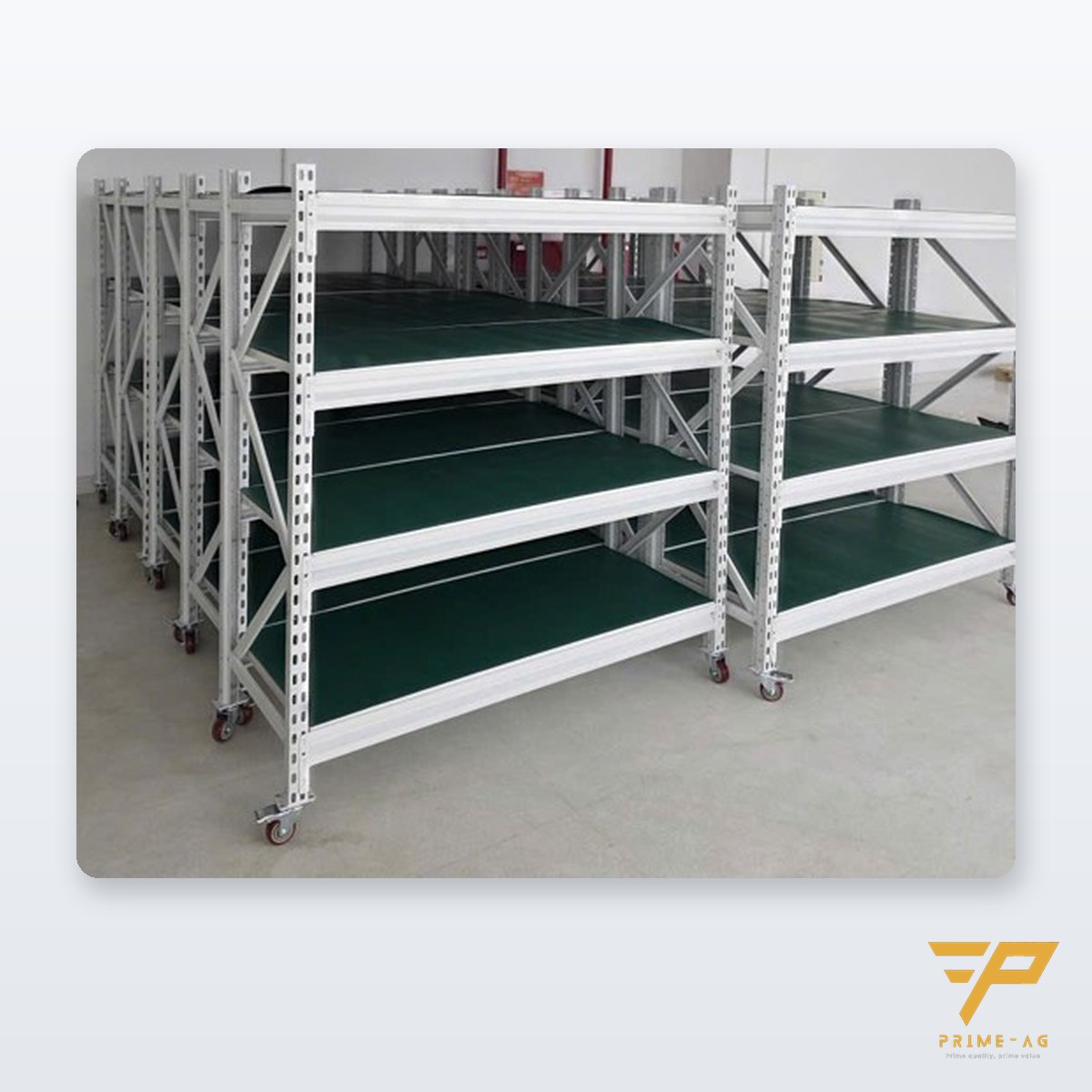
Heavy-duty warehouse racks with 90×60 uprights carry about 1,000 kg per level, with 2 pallets of 1,000×1,200 mm per level. Pallet rack prices include delivery and installation. Leave a gap between the rack and the wall.
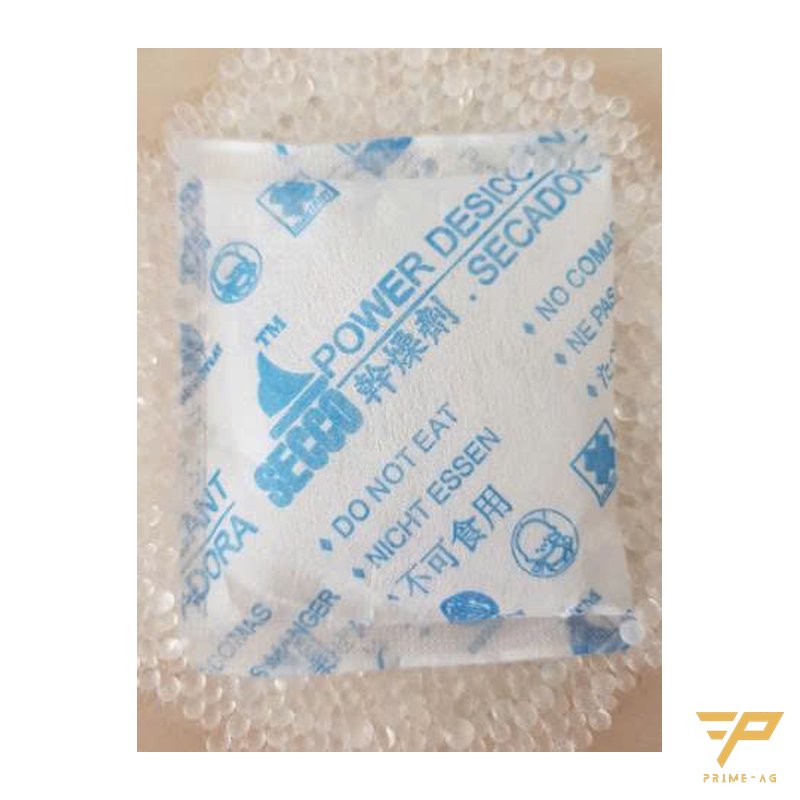
Silica gel packs of 10, 20 and 25 g in non-woven bags suit small cartons; 100 g packs suit large cartons and cabinets. Silica gel holds up to about 37 % of its own weight at high humidity; once a carton is opened, use up the packs from that carton.
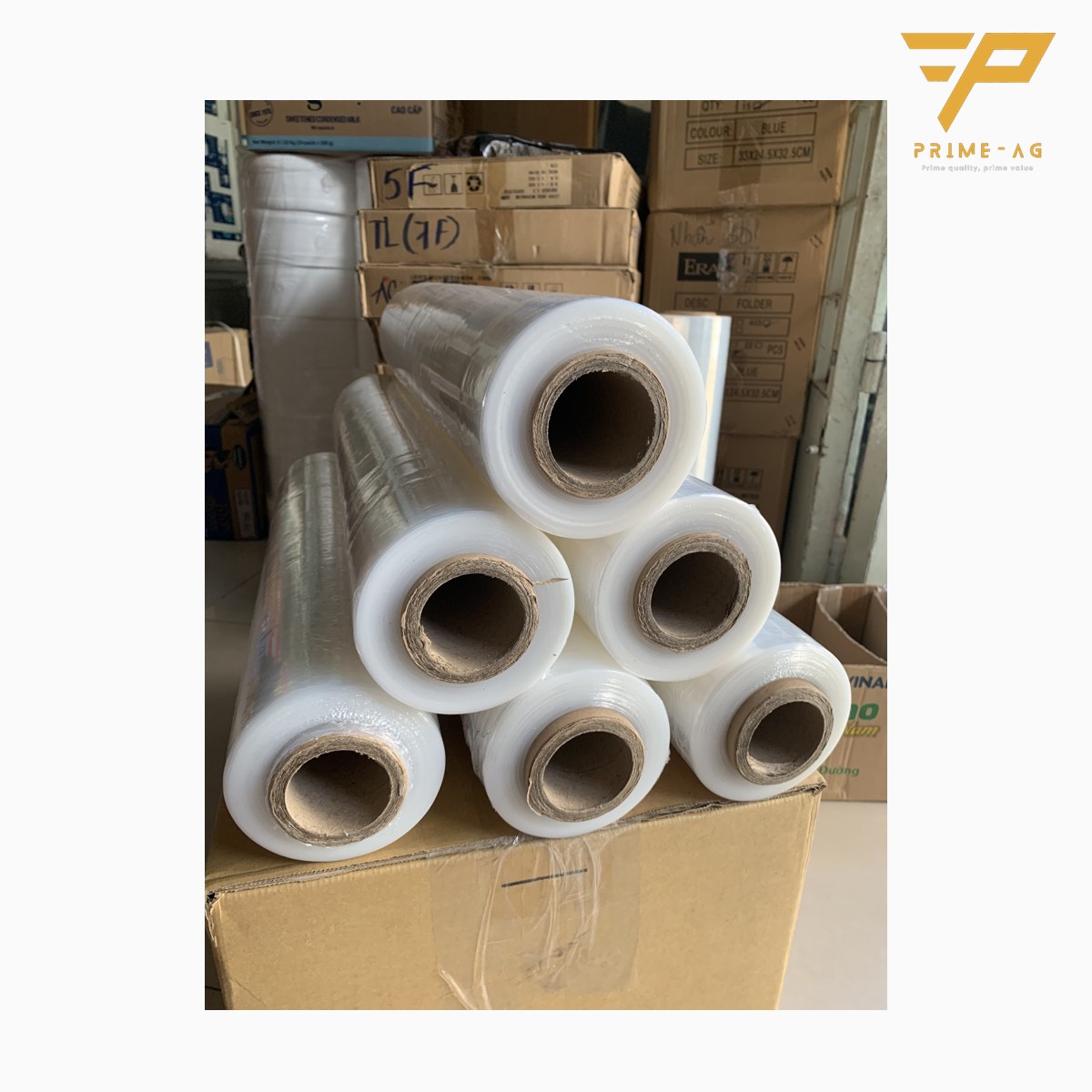
PE pallet stretch film in 25 cm and 50 cm widths, 17 µm thick; wrap with even tension from the bottom to the top.
If the warehouse is often very humid, add a dehumidifier sized to the warehouse volume.
When to rework and when to replace parts
White mould on the surface with no discolouration of the wood: wipe clean, let it dry, measure again, then repack with new desiccant packs. Black mould in the grain, blistered veneer, or parts warped so they no longer fit: send back to the workshop for surface treatment or replace the part.
Start this week
- Add a wood moisture column to the packing sheet.
- Hang thermo-hygrometers in the warehouse corners and log readings twice a day.
- Immediately move any crates touching the floor or walls.
Moisture-related veneer blisters work the same way as MDF table tops swelling at the edges and delaminating in humid workshops; the packing step also needs measures for preventing scratches on painted and veneered furniture surfaces during assembly and packing.
Frequently asked questions
- What wood moisture content is safe for packing furniture for export? — There is no single figure; the threshold depends on the wood species and on the requirements of the customer and the importing market.
- Is putting silica gel packs in the carton enough to prevent mould? — Not if the wood is still damp or the warehouse is humid. Desiccant packs only absorb the excess moisture in the carton and saturate quickly when the moisture source is large.
- Should furniture pallets be fully stretch-wrapped in PE film? — Only wrap once the wood moisture has passed; wrapping damp wood tightly traps moisture in the package.
Email: info@primeag.vn · Phone/Zalo: +84 906 108 292
Written by the PRIMEAG engineering team
Updated: 2026-10-26