
MSL components that have exceeded their floor life, or whose HIC card has changed color when the bag is opened, must be baked before soldering, following the J-STD-033 table by MSL level and package thickness. After baking, PRIMEAG recommends resealing in a new moisture barrier bag with fresh desiccant and a new HIC card. Note: plastic reels usually cannot withstand 125 °C.
The Japanese search “MSL アニール 梱包” means baking and repacking moisture-sensitive components. The situation behind it: a reel has been out of its bag past the limit, and you need to know what to do so it can still go onto the SMT line.
- Expired means bake: past floor life or with the HIC spot changed color, do not solder straight away.
- Temperature and time: look up the J-STD-033 table, and give priority to the manufacturer’s label.
- Plastic reels: usually cannot take 125 °C; change to a tray or lower the temperature.
- Reseal with a full set: new moisture barrier bag, desiccant and HIC card; heat-seal the opening and record the date.
1. When MSL components must be baked
The first criterion is floor life at ≤ 30 °C/60 % RH: MSL 3 allows 168 hours, MSL 4 allows 72 hours and MSL 5a only 24 hours, accumulated across every time the bag is opened.
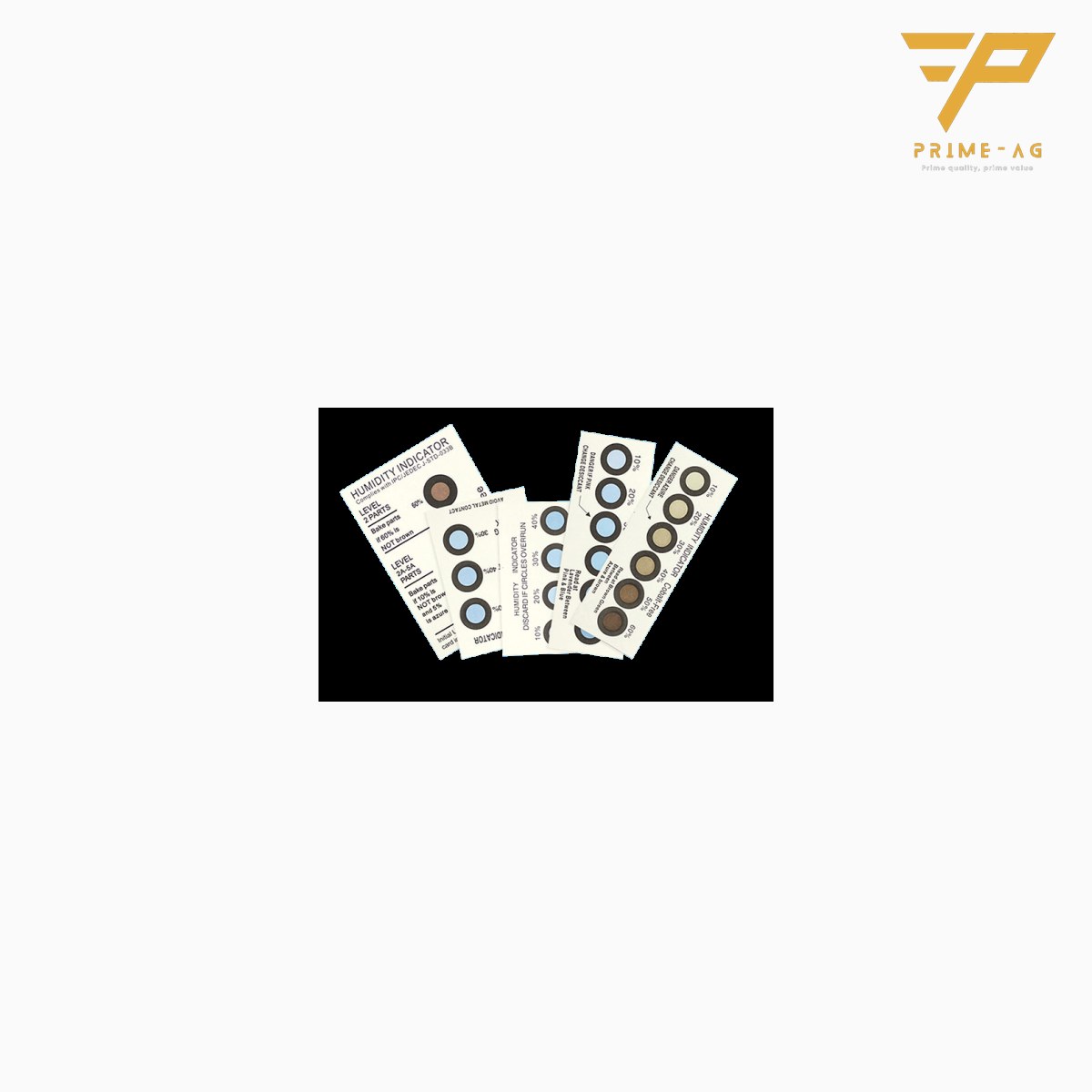
The second is the HIC card, read immediately when the bag is cut open against the color scale printed on the card. If the 10 % spot has changed color, MSL 2a–5a need baking; if the 60 % spot has changed, MSL 2 needs baking too. MSL 6 is always baked before use.
2. Choosing temperature and time: look it up, do not guess
J-STD-033 has a bake table by MSL level and component body thickness; 125 °C is the common high setting. Do not shorten the hours or raise the temperature on your own. If the manufacturer’s label states its own conditions, follow the label.
Plastic reels and trays usually cannot withstand 125 °C and easily warp or melt. Two options: transfer the components to high-temperature JEDEC trays (made to order), or keep the reel and use a low-temperature setting from the table, with a much longer time.
Repeated baking can oxidize component leads and reduce solderability; record the number of bake cycles on the label.
3. Repacking after baking
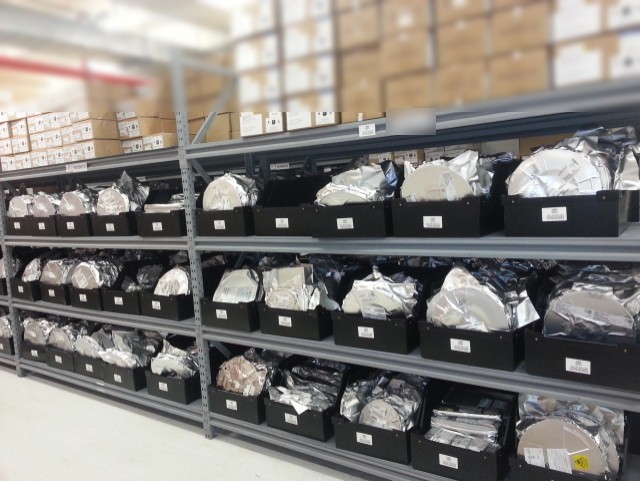
When baked correctly, floor life restarts from zero. If the parts are not going onto the line right away, dry-pack them again.
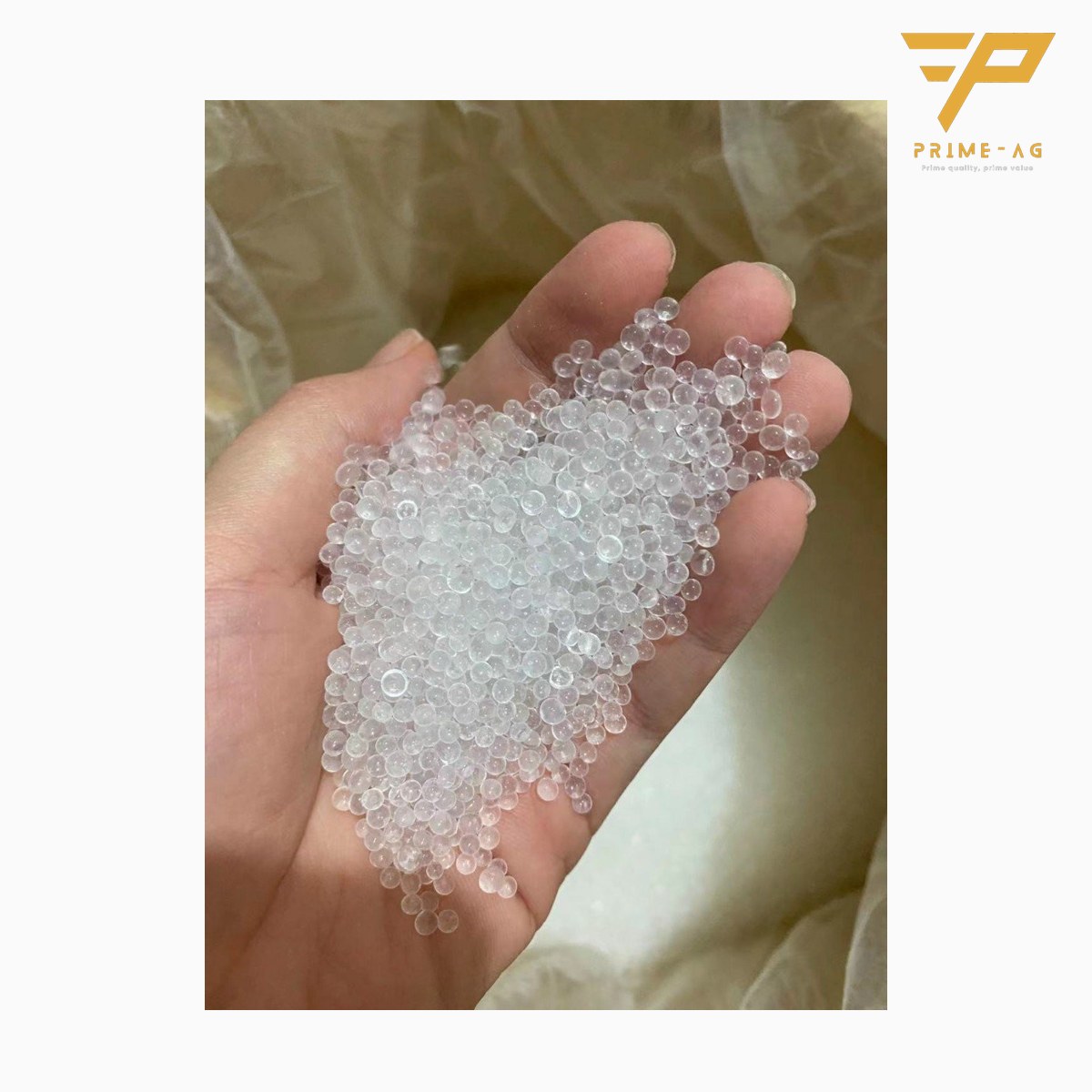
The packing set consists of: a moisture barrier bag (MBB) in 350×500 or 600×400 mm or a custom size; silica gel packs of 10/20/25 g in non-woven sachets; 6-spot 5–60 % cobalt-free HIC cards in cans of 125 or 200 cards. See silica gel desiccant packs and HIC cards.
The amount of desiccant is calculated from bag area, water vapor transmission rate and storage time; send us the bag size and PRIMEAG will calculate the number of units per J-STD-033. Apply a light vacuum, heat-seal the opening, and record the MSL, bake date and seal date.
4. Common mistakes when handling expired lots
- Resealing the old, already cut bag and keeping the old desiccant and card.
- Folding the opening and taping it instead of heat-sealing.
- Leaving desiccant packs out on the bench for hours.
- Leaving the HIC card can open; replace the desiccant inside the can after 3 openings.
Quick decision table
| Situation when opening the bag or checking stock | Action |
|---|---|
| 10 % spot still dry, floor life not exceeded | Continue using |
| MSL 2a–5a, 10 % spot has changed color | Bake per the J-STD-033 table before soldering |
| MSL 2, 60 % spot has changed color | Bake; discard the card, do not reuse |
| MSL 3 out of the bag for more than 168 hours | Bake |
| Components on plastic reels | Change to high-temperature trays or lower the temperature |
| Baked but not used yet | Dry-pack again, heat-seal, record the date |
Start with a bag-opening time log
Many lots need baking simply because nobody recorded when the bag was opened. Attach a slip to every reel of MSL 3 and above, recording the opening and closing times. Keep the component staging area at low humidity with a dehumidifier. For initial packing: packing moisture-sensitive components with moisture barrier bags and HIC cards; for humidity in storage: humidity in MSL component storage.
Frequently asked questions
- All the spots on the HIC card have changed color: can the components still be used? — Yes, if they are baked per J-STD-033 before soldering. Discard that card; do not reuse it.
- Do MSL parts have to be dry-packed again after baking? — If they are not going onto the line yet, dry-pack them again right away: a new bag, dry desiccant, a new card, heat-sealed with the date recorded.
- Can I bake components on plastic reels at 125 °C? — Usually not; plastic reels and trays deform easily at that temperature. Transfer the components to JEDEC trays, or bake at a lower temperature for longer per the J-STD-033 table.
Email: info@primeag.vn · Phone/Zalo: +84 906 108 292
Written by the PRIMEAG engineering team
Updated: 2026-10-23