
Floor lines that peel, fade or use a different color in every area are why factory aisles are quickly taken over by goods and trolleys. PRIMEAG recommends 3 steps: redraw the aisle layout on paper, settle on one color scheme for the whole plant, then choose 0.15 mm thick PVC tape or paint depending on forklift traffic.
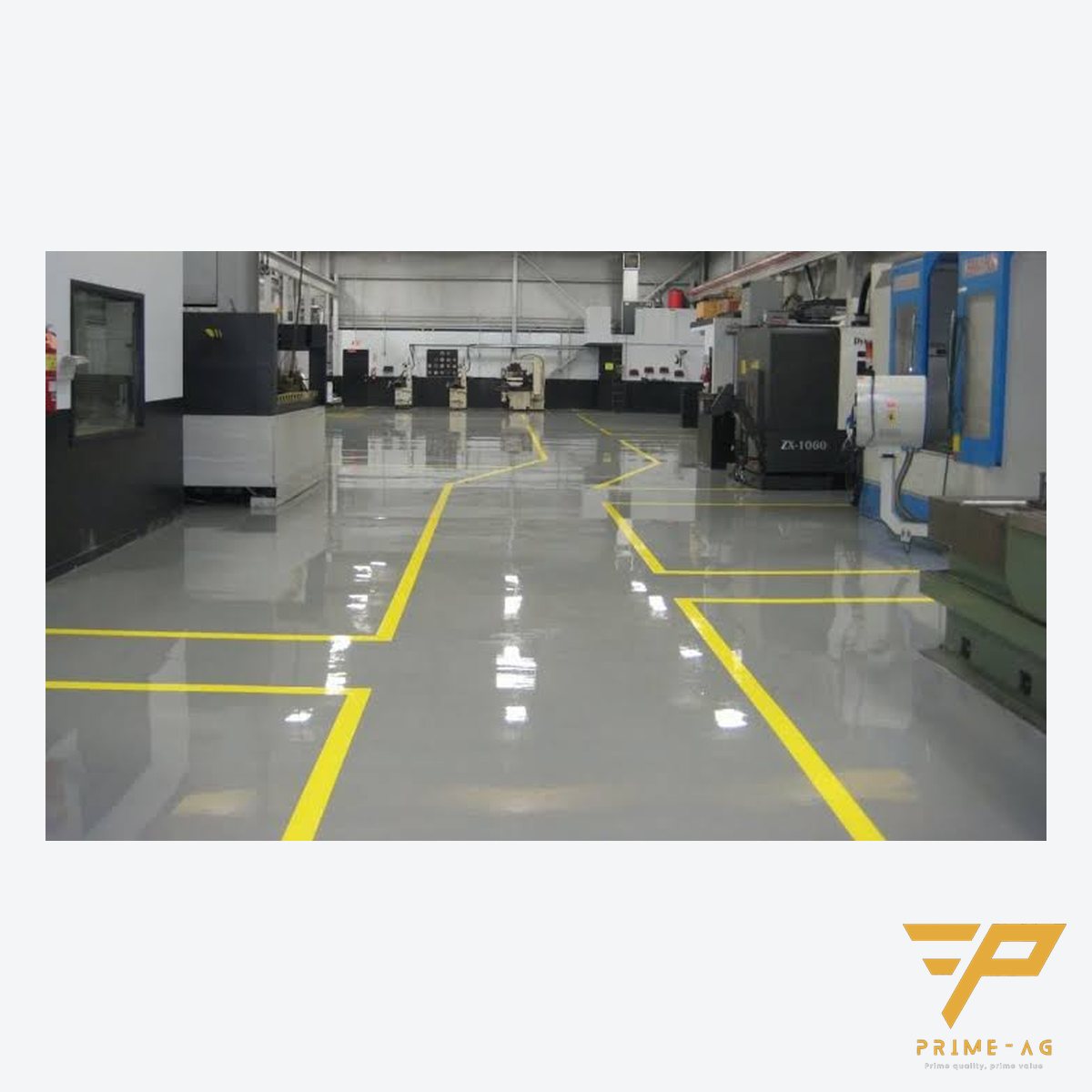
- Layout first, tape second: define pedestrian aisles, vehicle aisles, trolley parking spots and WIP holding areas on the drawing.
- One color scheme for the whole plant: post a legend board at the workshop entrance.
- No forklifts: PVC floor marking tape – removable when the layout changes.
- Heavy forklift traffic: floor line marking paint and epoxy paint last longer than tape.
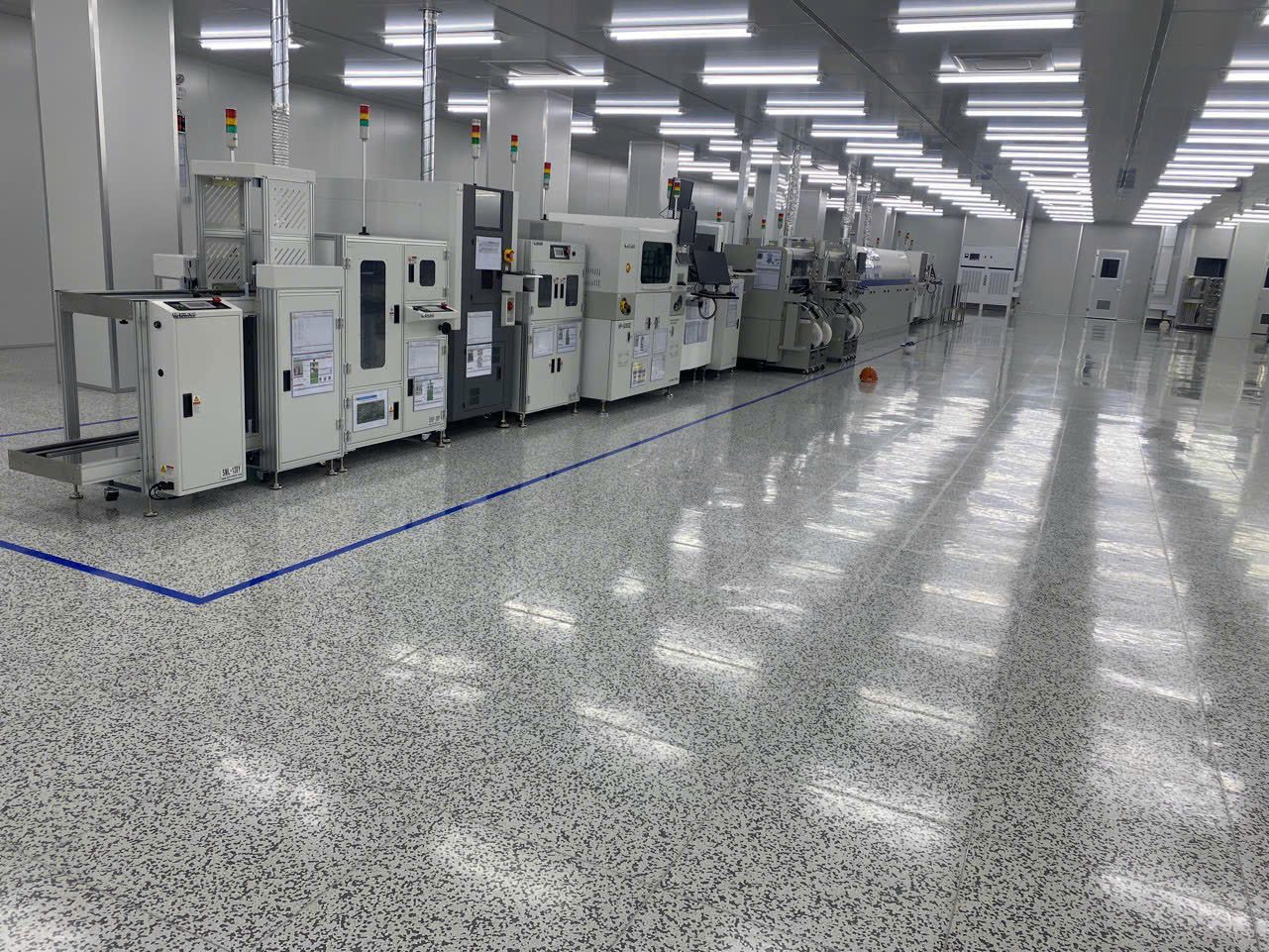
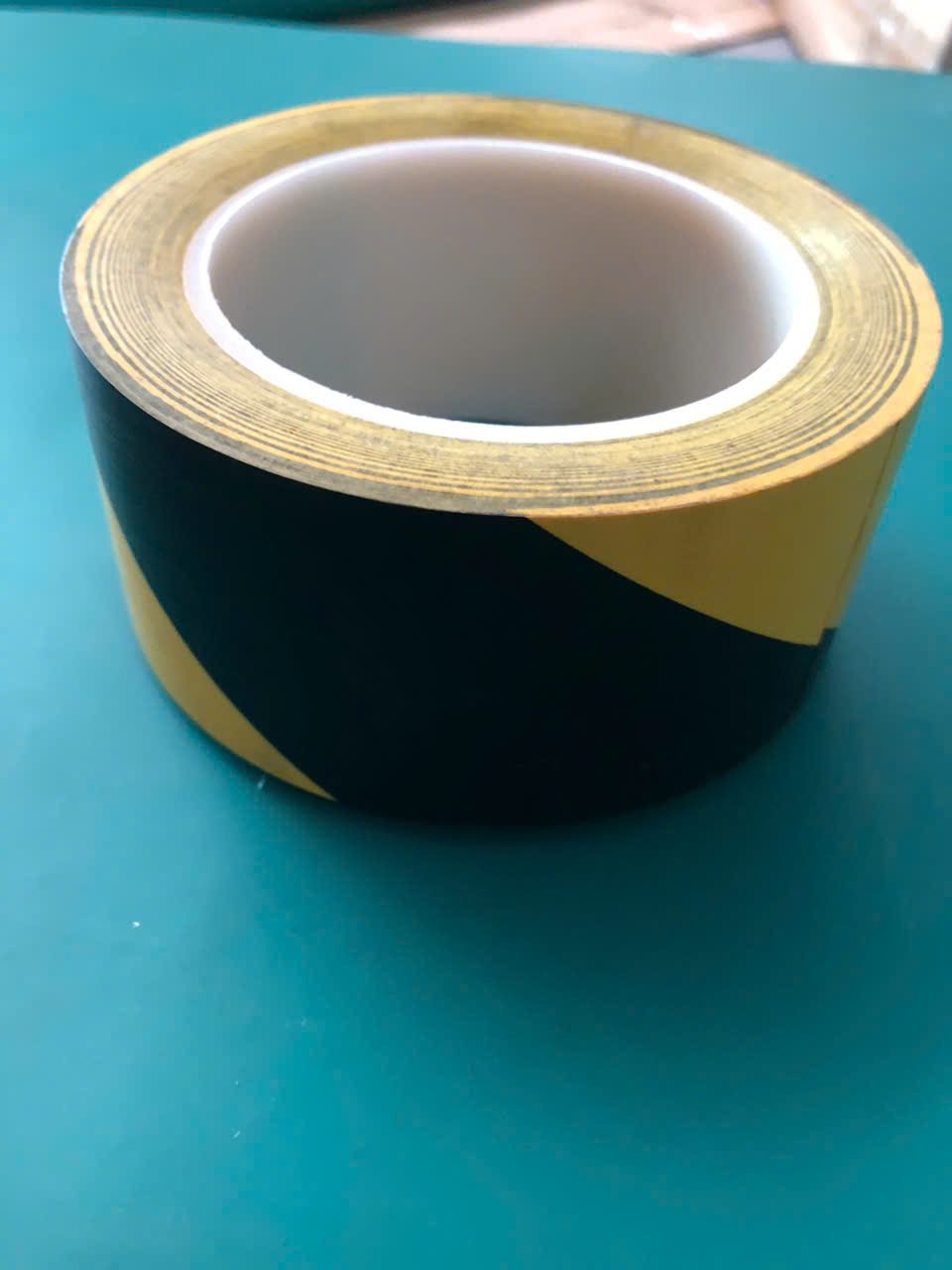
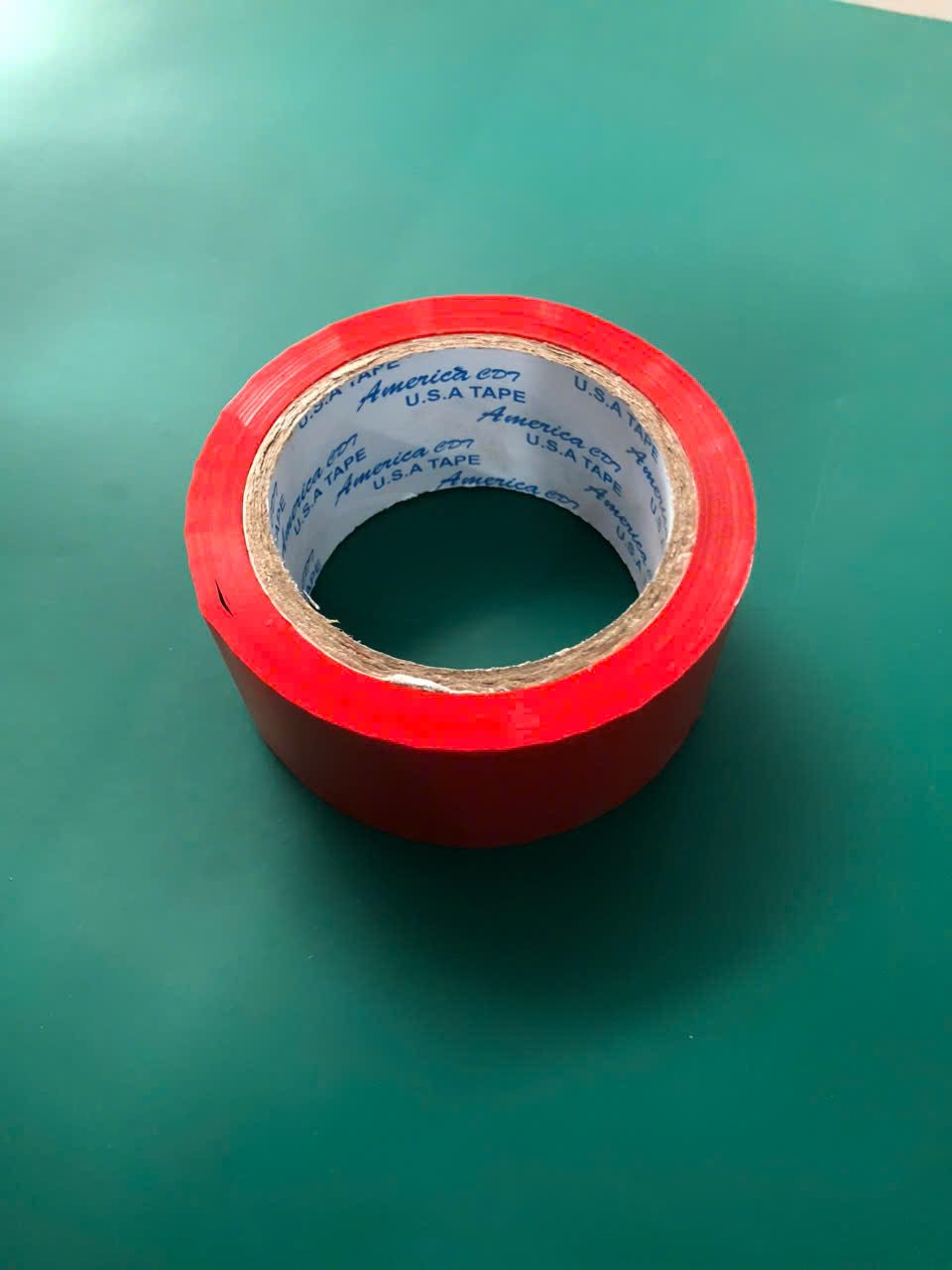
1. Why floor lines fail to keep aisles clear
- Lines taped around the current situation: tape goes around wherever goods happen to be, so the lines legitimize the encroachment on the aisle.
- No place for WIP and trolleys: without marked spots, operators will put things down in the aisle.
- Every team has its own color convention: newcomers cannot tell what each line means.
- The wrong material in the wrong place: thin tape under forklift wheels peels after a few weeks; paint in areas where the layout changes often is hard to remove.
2. Draw the aisle layout before taping
Print the workshop floor plan and mark: forklift aisles (one-way or two-way), pedestrian walkways, emergency exits and the routes to them, the locations of fire extinguishers and electrical panels (which must not be blocked by goods), and parking spots for multi-level trolleys and waiting pallets at the head of each process. Size vehicle aisles for the largest vehicle plus clearance on both sides; aisles shared by vehicles and people should be split into separate lanes. OSHA 1910.22 and 1910.176 require aisles to be kept clear, with safe clearances, and to be marked where mechanical handling equipment is used.
3. Settle on one common color scheme
There is no single mandatory color scheme for every plant; OSHA 1910.144 only specifies red for fire-protection equipment and danger, and yellow for caution. The common 5S convention is as follows; the most important thing is that the whole plant uses it consistently:
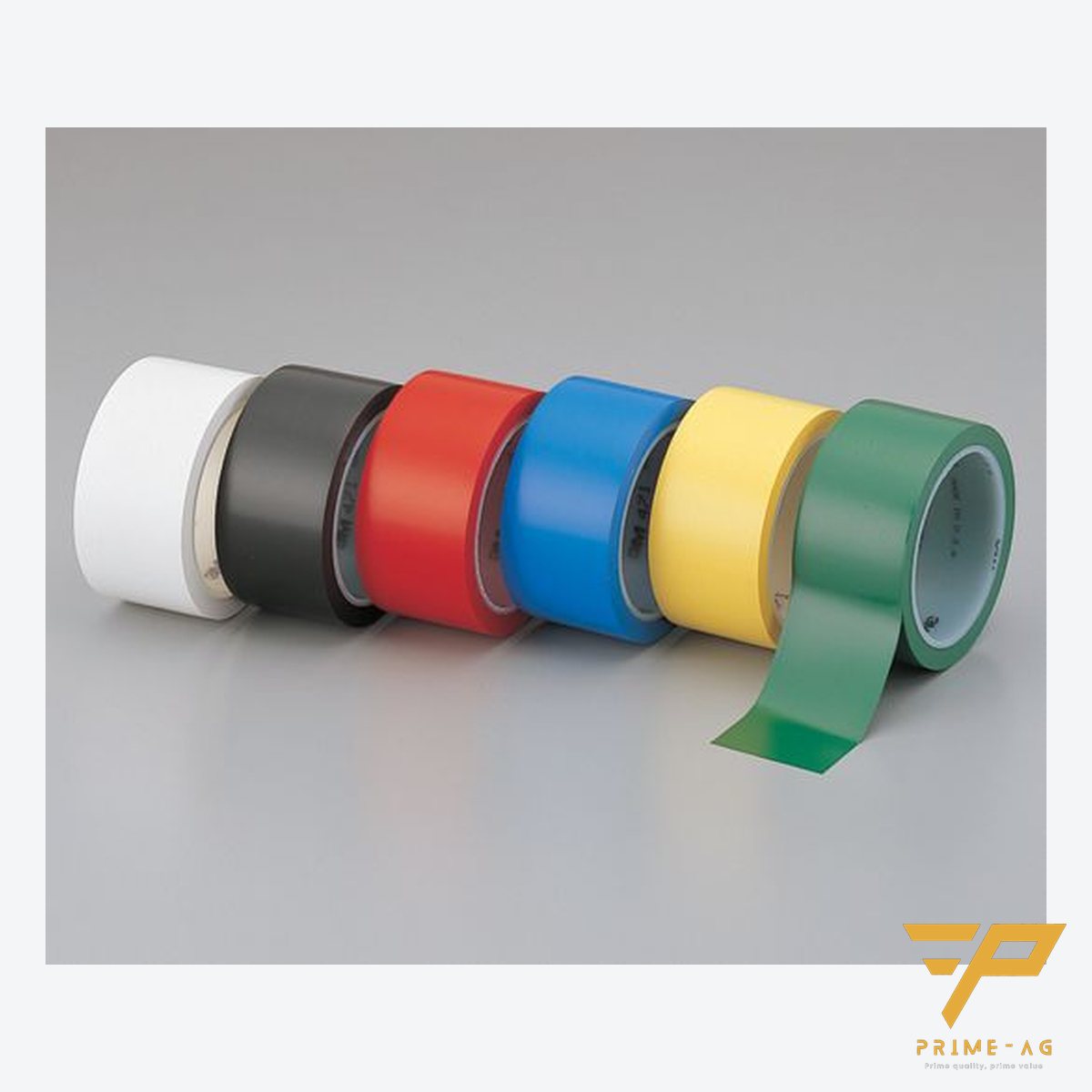
| Color | Common meaning | Example use |
|---|---|---|
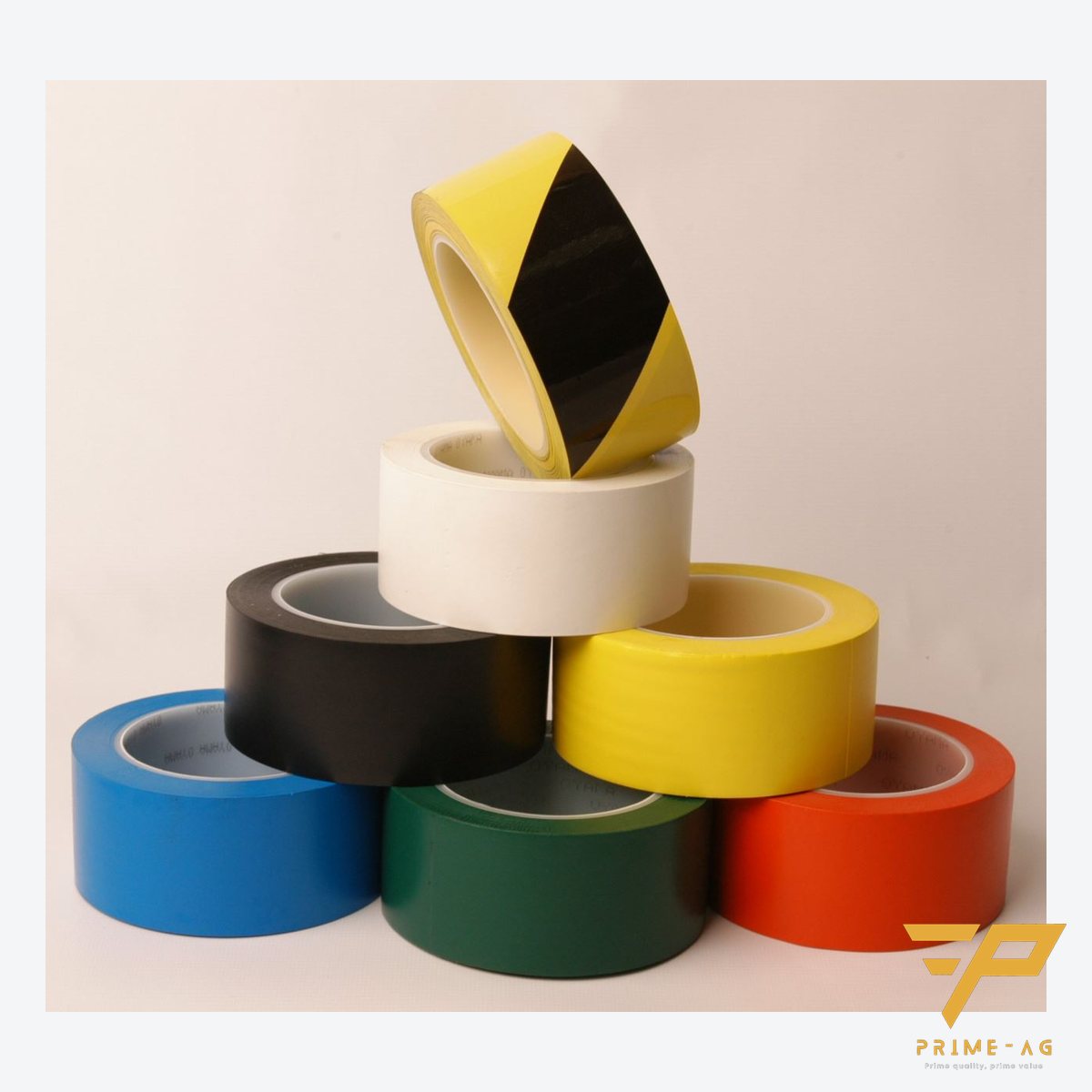
| Yellow | Aisles, work area boundaries | Edges of vehicle and pedestrian aisles |
| White | Locations of fixed equipment and tools | Spots for benches, trolleys, waste bins |
| Green | Finished goods, passed goods | Goods awaiting shipment |
| Red | Defects, scrap, fire-fighting equipment | NG area, spot in front of fire extinguishers |
| Yellow/black stripes | Physical hazards, collision risk | Step edges, columns, machine swing areas |
| Red/white stripes | Areas that must be kept clear | In front of electrical panels, emergency exits |
ESD protected areas (EPA) usually also use tape printed with the ESD symbol at the boundary; for how to set up the area, see setting up an EPA for an SMT line.
4. Tape or paint
| Material | Suitable for | Notes |
|---|---|---|
| PVC floor marking tape (0.15 mm thick, rubber adhesive) | Assembly workshops, warehouses with hand trolleys, frequently changing layouts | Peels off cleanly when the layout changes; apply to a clean, dry floor |
| 3M 764 floor marking tape | Aisles with heavy trolleys, longer adhesion needed | More expensive than standard PVC tape |
| floor line marking paint and epoxy paint | Aisles with frequent forklift traffic, epoxy floors | The area must be shut down for painting and drying; hard to remove when the layout changes |
Tips for durable tape: clean oil and dust off the floor and let it dry; lay the tape straight using a taut string line or a long ruler; press it down firmly with a roller; miter L-corners at 45° instead of overlapping; do not apply tape right where forklift wheels run or turn.
Self-check after 2 weeks
- Are goods or trolleys still sitting in the aisles? If so, where are holding spots missing?
- Where are lines peeling? Do forklifts turn at that point?
- Can a newcomer on the shift explain what each color means?
- Are fire extinguishers, electrical panels or emergency exits blocked?
To organize workstations so there is less walking and less waiting stock, see lean workstation improvement: less walking, WIP and 5S.
Frequently asked questions
What color should factory aisles be marked? Most commonly yellow for aisle edges and work area boundaries. What matters is that the whole plant uses one color scheme and posts a legend board at the workshop entrance.
What should we do if floor tape peels off quickly? Check whether forklifts run or turn at the peeling point; clean oil off the floor, let it dry before applying, and press the tape down with a roller. Aisles with heavy forklift traffic should switch to line marking paint or epoxy paint.
Do trolley parking spots need to be marked? Yes. Missing holding spots for trolleys and pallets is the main reason goods end up in the aisle; mark white boxes at the head of each process.
Updated: 01/11/2026 — PRIMEAG engineering team
Mon–Sat, 8:00–17:00 (GMT+7) · Phone/Zalo: +84 906 108 292 · Email: info@primeag.vn
Start where it suits you: Free technical advice · Send a drawing or layout · Get a quote within 30 minutes
Written by the PRIMEAG engineering team
Updated: 2026-10-19