
Heavy reels should not be carried by hand or rolled on the floor. For light reels use horizontal-shaft racks and multi-tier trolleys; for medium reels use V-cradle racks and V-cradle reel trolleys with at least 2 locking casters; place large reels on pallets. PRIMEAG recommends fixing reel weight and outer diameter before design.
In packaging and printing plants, film, paper and label rolls often weigh several tens of kg or more, yet are still carried by hand or rolled across the floor. PRIMEAG suggests separating them by weight: light rolls go on horizontal-spindle roll racks and trolleys, heavy rolls on roll trolleys with V-cradles or lifting equipment, to reduce back injuries and damaged roll edges.
- Classify by weight and diameter: this decides between a rack, a trolley or lifting equipment.
- Do not roll rolls on the floor: a roll trolley with a V-cradle and locking casters.
- Store rolls without stacking: horizontal-spindle or V-cradle racks; for heavy rolls use a pallet rack.
- Lift to machine height: less bending when loading rolls onto printing press and slitter shafts.
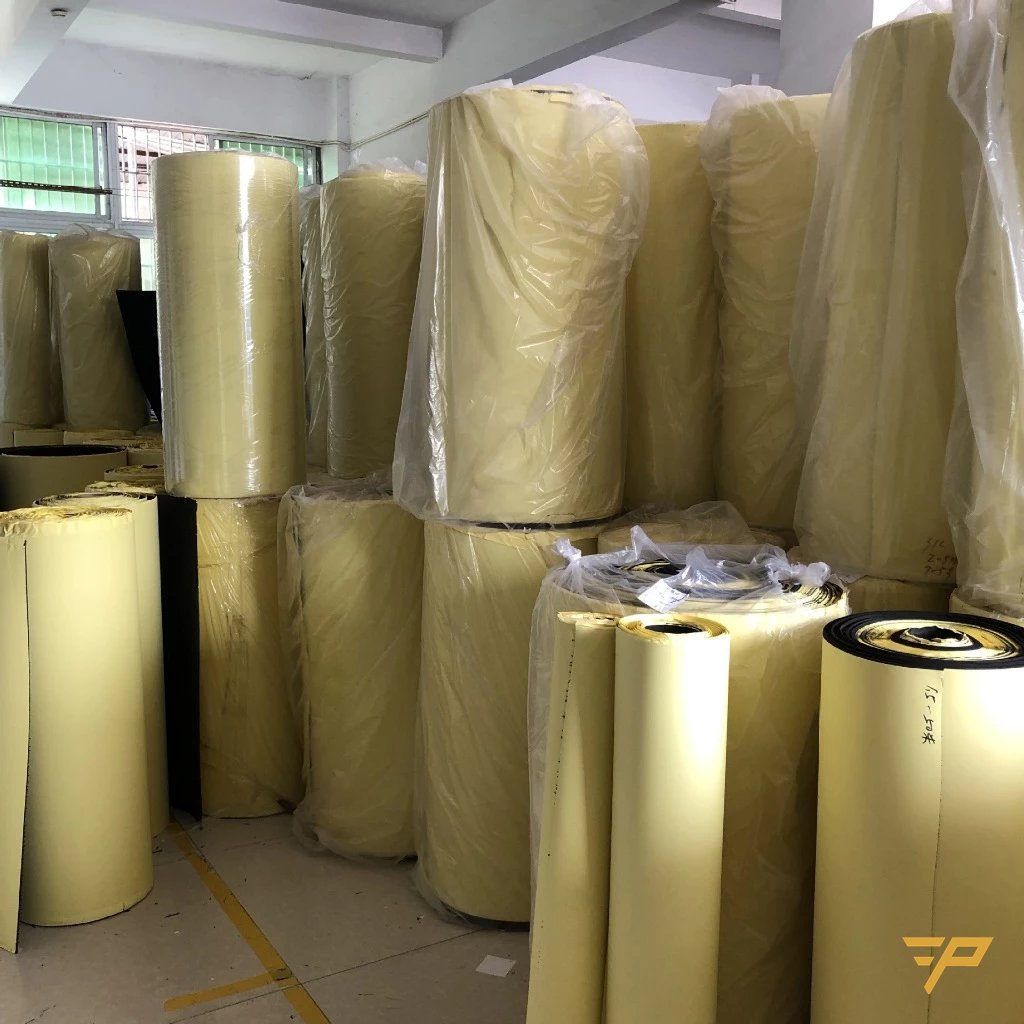
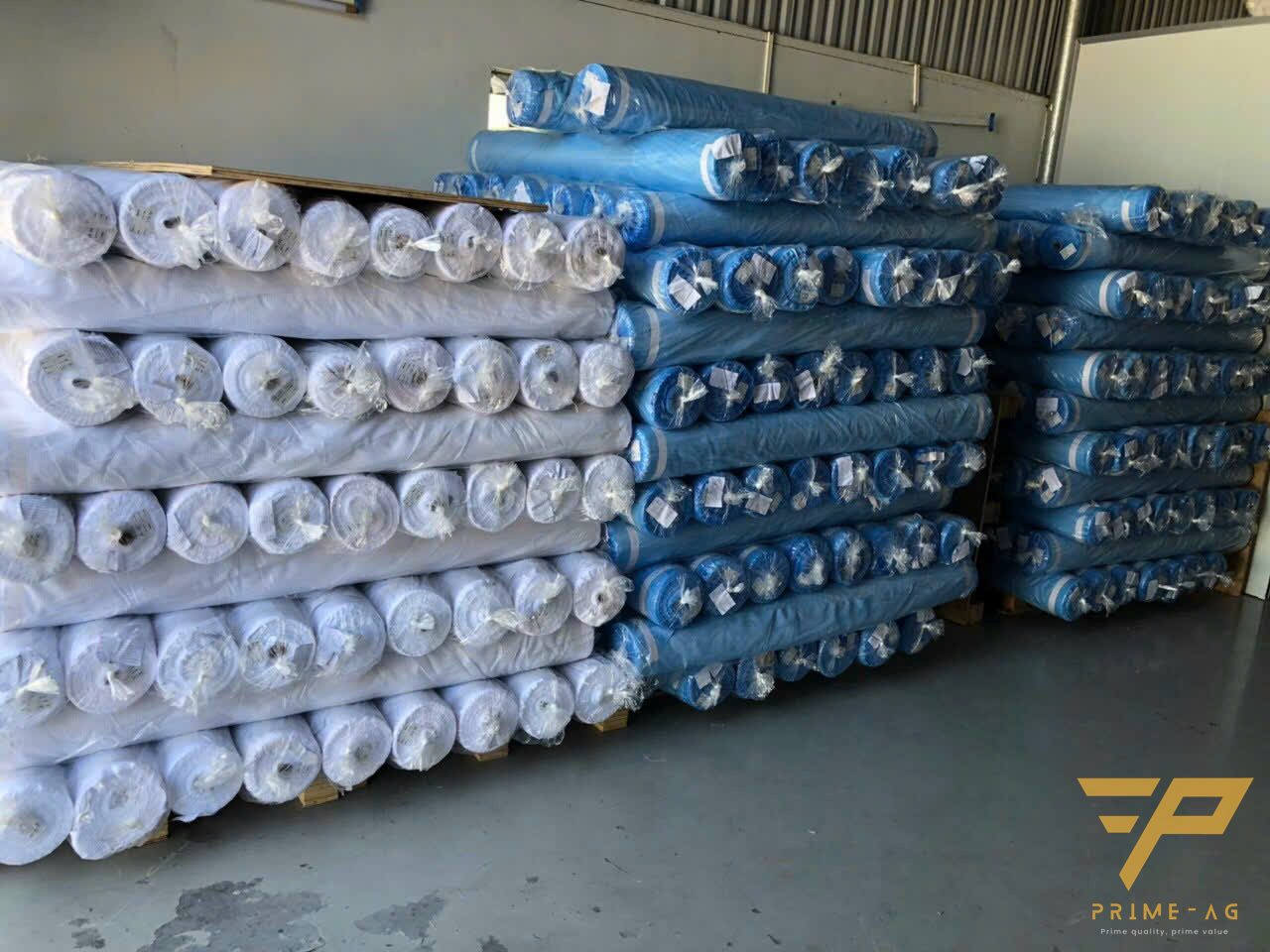
Risks of carrying and rolling rolls
- Back injuries: bending to lift rolls from the floor, twisting when loading onto the machine shaft.
- Pinched hands, crushed feet: rolls rolling out of control or dropping while being placed on the shaft.
- Damaged material: dented roll edges cause film wrinkles and paper tears on the machine; floor dust sticks to the roll.
General manual lifting principles (such as the NIOSH lifting equation) show that the safe load drops sharply when you have to bend low, reach far or twist. So even when a roll is not very heavy, lifting it from the floor onto a machine shaft is still a risky task.
1. Roll trolley: never roll rolls on the floor
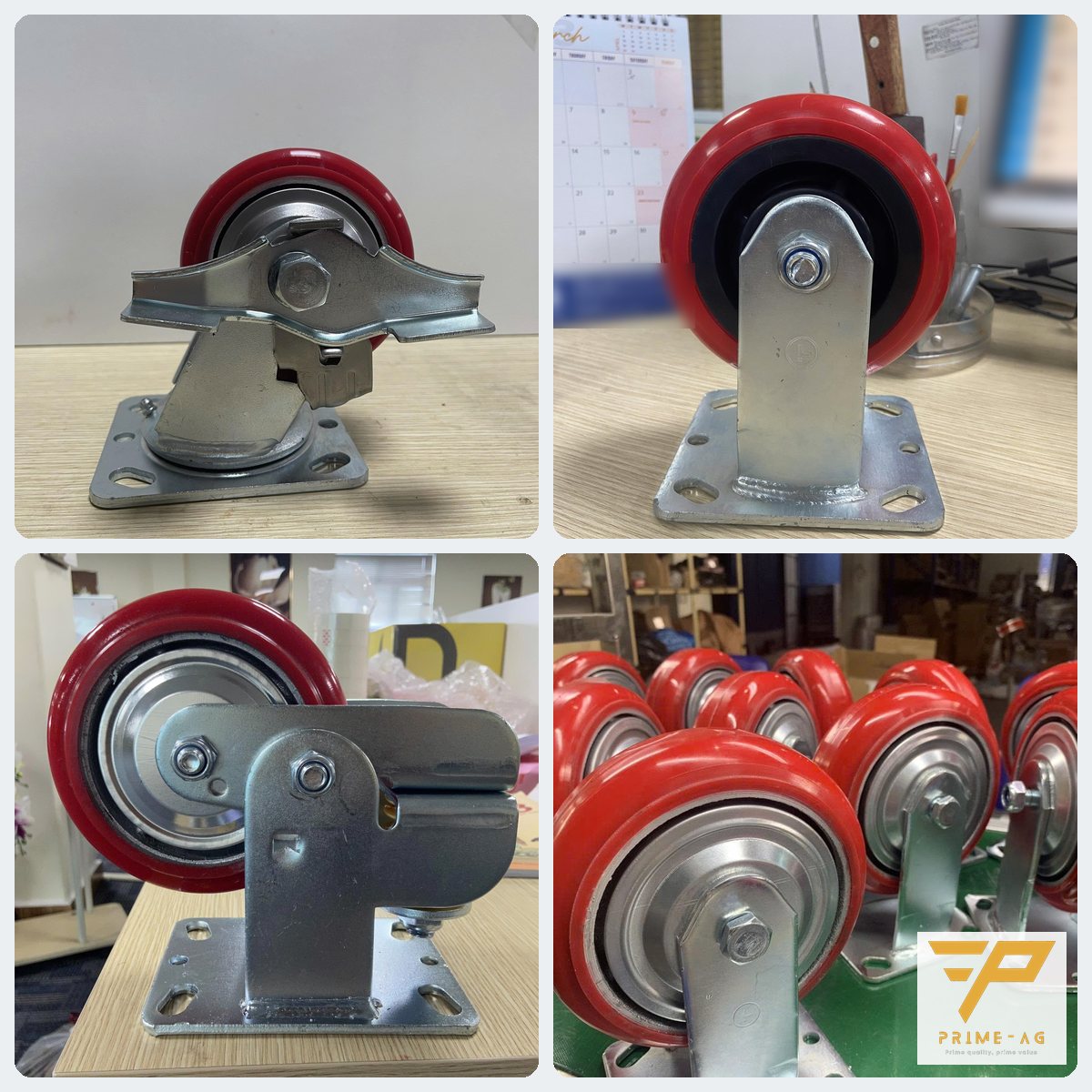
A roll trolley has a V-cradle or two rollers so the roll lies horizontally and cannot roll off. Specifications to confirm: maximum weight and outer diameter, roll width, core diameter, machine shaft height. Choose casters by load and floor: industrial PU casters are quiet and do not mark floors; fit at least 2 locking casters so the trolley stays put while the roll is transferred to the machine.
For small rolls (label rolls, thin film rolls), a multi-tier steel pipe trolley fitted with guard bars or V-dividers can carry several rolls at once.
2. Roll racks: one position per roll
- Light rolls, many SKUs (labels, tape, thin film): horizontal-spindle racks; rolls slide onto the spindle and can be pulled off directly.
- Medium rolls: V-cradle racks, one row of rolls per tier, no stacking.
- Heavy rolls on pallets: selective pallet racking served by forklift; add upright protectors.
Heavy rolls on the lower tiers, light rolls on the upper tiers. Show tier load capacity on the rack label.
Choosing equipment by roll type
| Roll type | Storage | Handling |
|---|---|---|
| Label, tape and thin film rolls | Horizontal-spindle rack | multi-tier trolley with guard bars |
| Medium film and paper rolls | V-cradle rack | roll trolley with V-cradle |
| Large rolls on pallets | pallet rack | Forklift, dedicated lifting equipment |
| Cartons, pallets of finished goods | Pallet rack | 200 kg plastic deck trolley for cartons |
Trolleys and racks designed for your rolls: new designs 10–15 working days (including drawing approval). Frame warranty 3 years, casters 12 months. Rolls too heavy for manual handling need lifting equipment; PRIMEAG will tell you clearly when a trolley is not a safe option.
First steps
- List the roll types: weight, outer diameter, width, core.
- Mark which tasks currently lift rolls from the floor or roll them.
- Measure the shaft height of printing presses, slitters and laminators.
- Send PRIMEAG the data and photos of the area to select trolleys and racks.
Warehouse layout for fast picking without location errors: see logistics warehouse solutions for mis-picks and slow picking.
Frequently asked questions
What specifications are needed to order a roll trolley? The maximum weight and outer diameter of the roll, roll width, core diameter, the height of the machine shaft the roll is loaded onto, and the type of shop floor.
Should film rolls be stacked on top of each other? No. The bottom roll carries the load and its edges dent easily, causing film wrinkles on the machine, and the top rolls must be removed to reach the bottom one. Use horizontal-spindle racks, V-cradle racks or pallet racks.
How long does a custom-size roll trolley take? New designs take 10–15 working days, including drawing approval. Frame warranty 3 years, casters 12 months.
Updated: 14 October 2026 — PRIMEAG engineering team
Mon–Sat, 8:00–17:00 (GMT+7) · Phone/Zalo: +84 906 108 292 · Email: info@primeag.vn
Start where it suits you: Free technical advice · Send a drawing or layout · Get a quote within 30 minutes
Written by the PRIMEAG engineering team
Updated: 2026-10-21