
Plastic injection molds rust in storage at factories in Vietnam mostly because water is left in the cooling channels, the cavity was not wiped dry, no rust preventive was sprayed, stretch film was wrapped while the mold was still warm, the storeroom is humid, or the mold sits directly on the floor. PRIMEAG recommends checking all 6 points, blowing the water channels dry and storing molds on racks.
One rusted cavity means polishing and a new trial run; the production schedule slips because of one bad storage job. When an injection mold rusts, the steel is rarely to blame. Rust usually starts the moment the mold leaves the machine and goes into storage.
- Most common fault: water left in the cooling channels seeps onto the parting line.
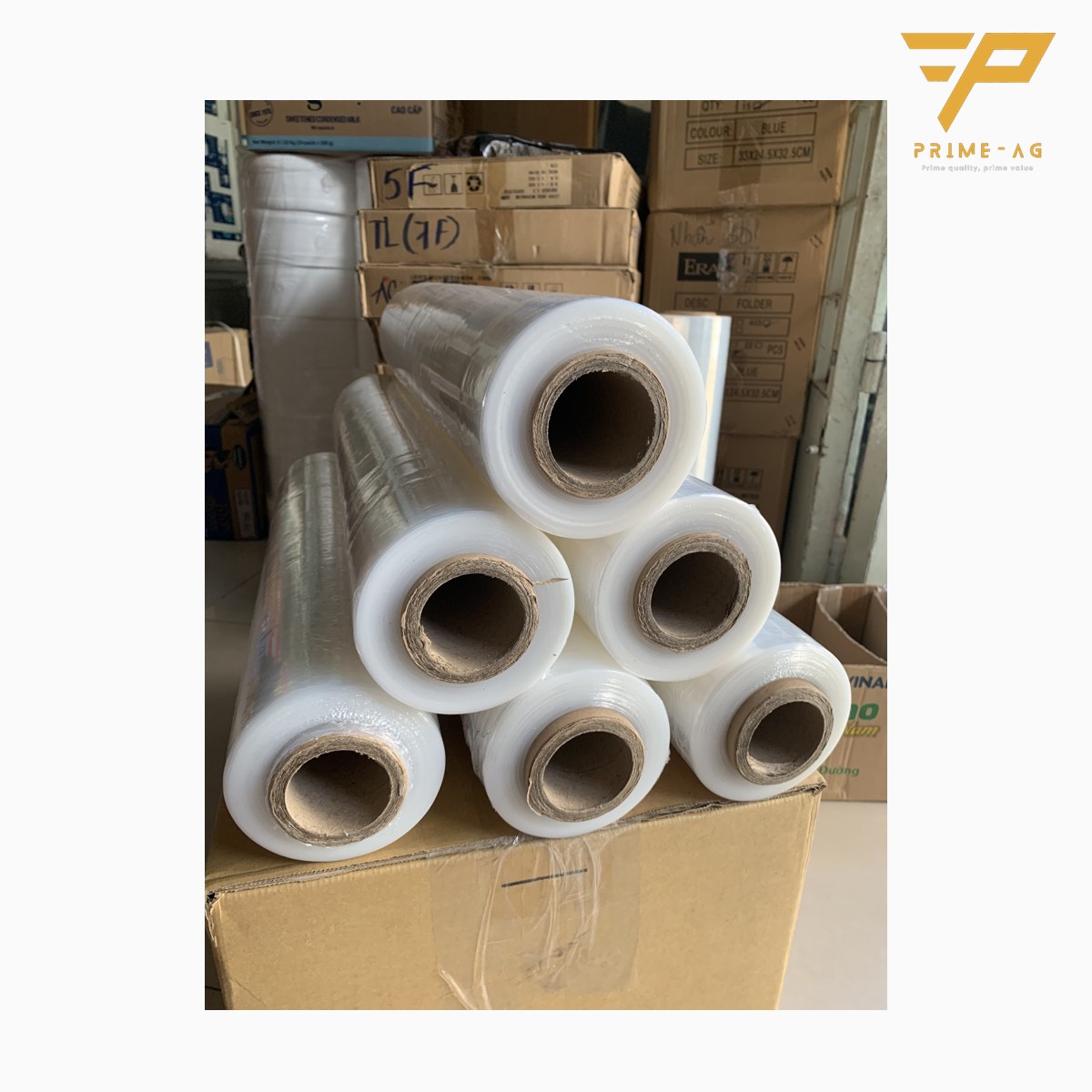
- Wrapping: wrapping a warm mold traps moisture inside.
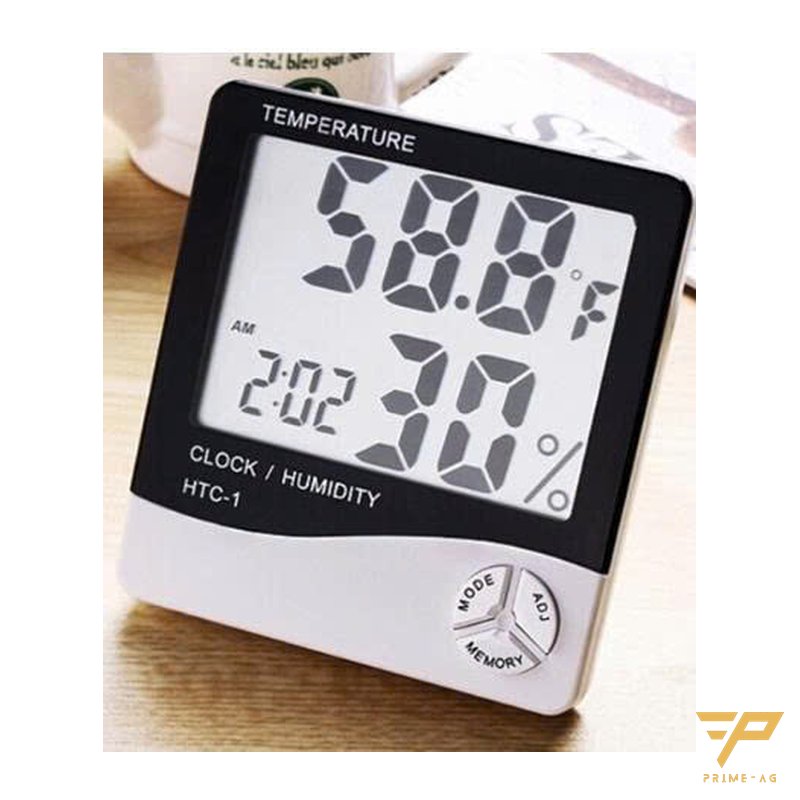
- Storeroom: hang a thermo-hygrometer and log readings daily.
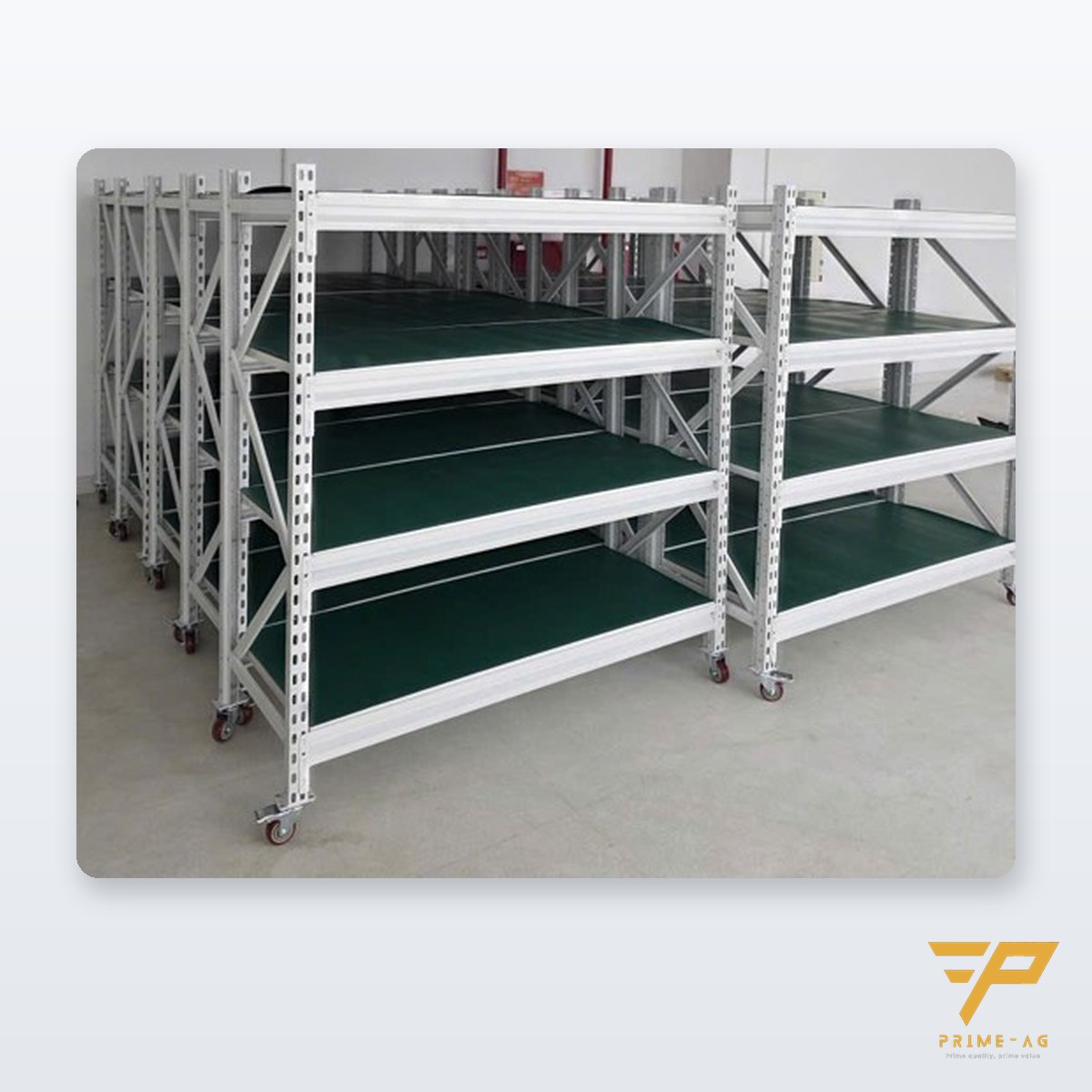
- Location: molds sit on a rack with the right load rating, never directly on the floor.
Why injection molds rust: 6 points to check in order
1. Water left in the cooling channels
If the hoses are disconnected and the mold is craned away immediately, water in the channels seeps out onto the parting line. Blow compressed air through each circuit until dry, then cap the fittings.
2. Cavity not clean or not dry
Plastic residue and mold release agent hold moisture against the steel. Clean the cavities, vents and ejector pin holes; let them dry completely.
3. No rust preventive sprayed
Spray the cavity, parting line, ejector pins and guide pins. Product type, coating thickness and protection time follow the rust preventive supplier’s recommendations. Write the spray date on the mold tag.
4. Stretch film wrapped while the mold is warm
When a warm mold is sealed in film, moisture condenses into droplets on the steel as it cools.
Pallet stretch film, LLDPE 17 µm, 25 or 50 cm wide, blocks dust well, but wrap only after the mold has reached room temperature and is dry.
5. Humid storeroom
Storerooms against an outside wall, near a washing area or under a metal roof are prone to condensation. Place a wall-mounted or desktop thermo-hygrometer in the middle of the room and record readings morning and afternoon.
The humidity limit to maintain follows the recommendations of the mold steel or rust preventive manufacturer. If it stays above the limit for long, you need a dehumidifier; see humidity control with dehumidifiers and thermo-hygrometers.
6. Molds placed directly on the floor
Concrete floors are cold and draw moisture; water collects under the mold, and it is easily hit by forklifts.
Mold racks: choose by weight
Weigh each mold; the total weight on a level must be less than the level’s load rating, with heavy molds at the bottom. On pallet racks, molds go on a pallet or steel deck panel, never directly across two beams.
- Small molds handled by hand or hoist: medium-duty racks at 200–500 kg per level.
- Large molds handled by forklift: heavy-duty racks (pallet racks) with 90×60 uprights hold about 1,000 kg per level; PRIMEAG delivers and installs at your warehouse (included in the price), made to order in 2–3 weeks, with a 3-year frame warranty.
- Molds that must be pulled out for craning: mold racks made to size; see fixture and mold racks for storing heavy molds safely.
Mold storage procedure and mold tag
| When | Action | Record on mold tag |
|---|---|---|
| Just removed | Blow water channels dry | Removal date |
| Before storage | Wipe dry, spray rust preventive | Spray date |
| Mold has cooled | Wrap in stretch film or cover with tarp | Inspector |
| Into storage | Place on rack | Rack location |
| Periodically | Open, inspect, re-spray | Inspection date |
The tag hanging on the mold tells the next shift which step has been done.
For export processing enterprises (EPEs), PRIMEAG issues 0% VAT invoices and handles the on-the-spot import/export customs declaration free of charge for every order from VND 20 million.
Where to start
- Open the 3 most recently stored molds and check the parting line and ejector pin holes.
- Check whether the water channel fittings are still wet.
- Hang a thermo-hygrometer and record readings twice a day for 2 weeks.
- Count the molds sitting on the floor and weigh the heaviest one.
- Print mold tags and apply them from the next mold removal shift.
Send the number of molds, dimensions and weight of the heaviest mold via the consultation form; PRIMEAG will propose racks and quote within 30 minutes.
Frequently asked questions
- Does wrapping a mold tightly in stretch film prevent rust? — No. The film only blocks dust; if the mold is still warm or wet, the film traps moisture and it rusts faster.
- How often should stored injection molds be opened and inspected? — According to the protection period of the rust preventive in use; once it expires, wipe, re-spray and record the new date.
- How do I deal with light rust in a mold cavity? — Stop production, send the mold to maintenance for polishing to the product’s surface requirement, then go through the 6 check points again.
Updated: 30 Oct 2026 — PRIMEAG engineering team
Email: info@primeag.vn · Phone/Zalo: +84 906 108 292
Written by the PRIMEAG engineering team
Updated: 2026-10-30