
Cosmetic defects escaping from injection moulding deflashing and visual inspection stations in Vietnam usually have three causes: the trimming station is a makeshift table, the lighting is poor, and good and reject parts share one bin. Move to a fixed bench with 2 shelf-mounted LED lights, three separate bins for good – reject – pending, plus the right gloves and safety glasses. PRIMEAG explains each step.
- Three common causes: weak lighting, flash debris scratching other parts, good and reject bins placed side by side.
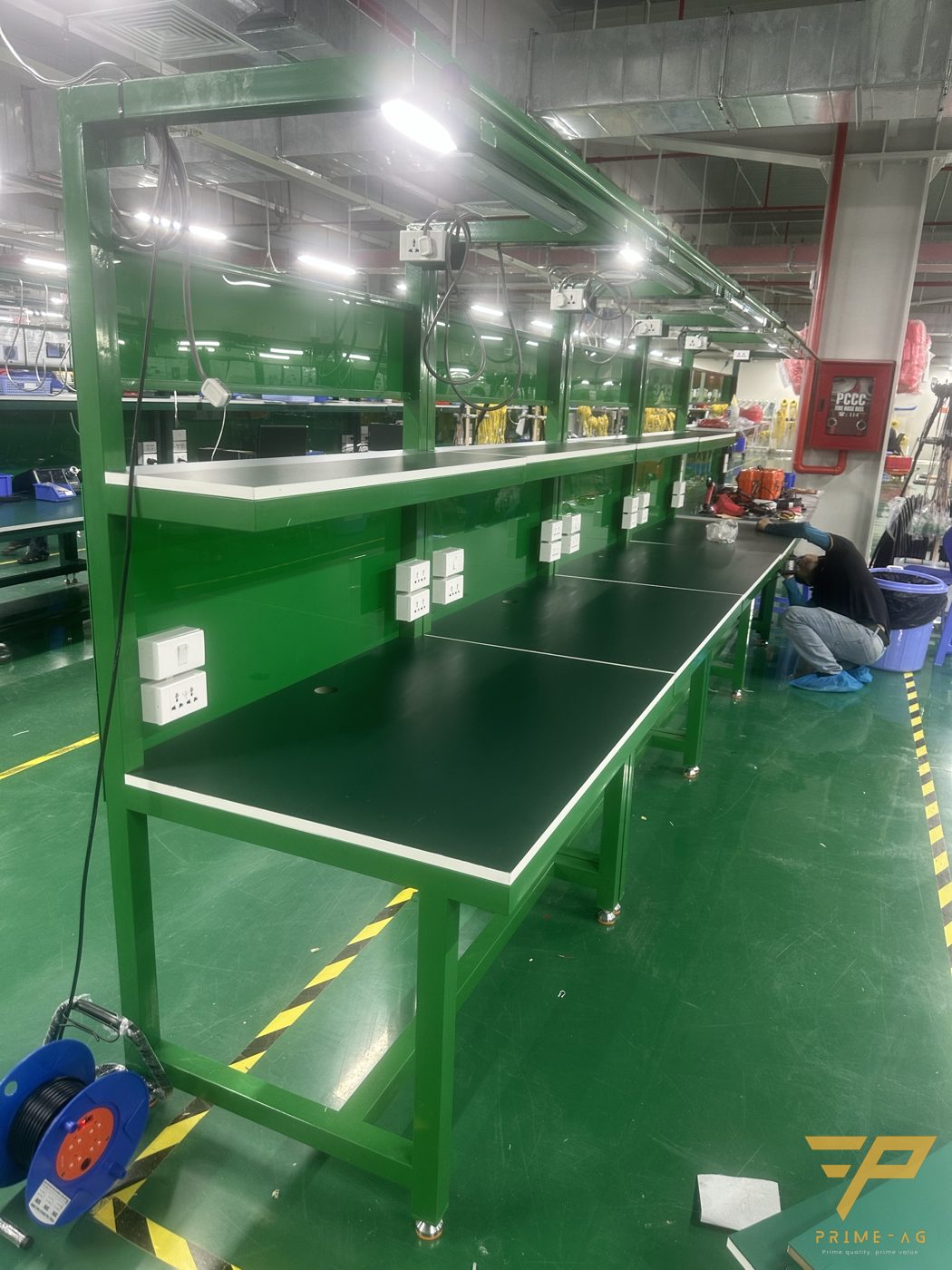
- Bench 800×600 mm, top height 750 mm, upper shelf carrying the light fittings; add a desk lamp when angled light is needed.
- Each bin has a fixed position, with a label card or printed text; the reject bin sits away from the hand that drops good parts.
- Dotted gloves give a firm grip but are not cut-resistant; safety glasses rated ANSI Z87.1 when cutting gates.

How defects escape from the post-moulding station
After demoulding, parts have their gates and flash trimmed, then are checked for scratches, spots and short shots. Many shops do this on folding tables with ceiling lights far away, so workers inspect parts in the shadow of their own hands and miss fine scratches.
Flash debris on the bench scratches the next part. When there is only one bin, reject parts are set on the lid for a moment and then swept in with the good parts.
Bench and lighting for the deflashing station
The lean pipe (plastic-coated steel pipe, Φ28) workbench is standard 800×600×1950 mm, top height 750 mm, length customisable 600–1800 mm. The top carries 150 kg; the two upper shelves (800×250 and 800×400) carry 20 kg/tier, enough for limit samples, knives and cutters. The powered version includes 2 LED lights 0.6 m, a 6-outlet socket and a switch. Standard-design benches are produced in 5–7 working days.
Shelf-mounted lights illuminate the bench top evenly. Glossy parts need angled light to reveal scratches, so add an adjustable desk lamp. Brightness and lamp positioning are covered in the article on fixing poor workstation lighting with desk lamps and shelf-mounted LED lights. If workers inspect seated, check the top height against the guide on choosing standing and seated bench heights by anthropometrics.
Place a small tray under the cutting point to catch flash debris, and empty it every hour.
Three bins: good, reject, pending
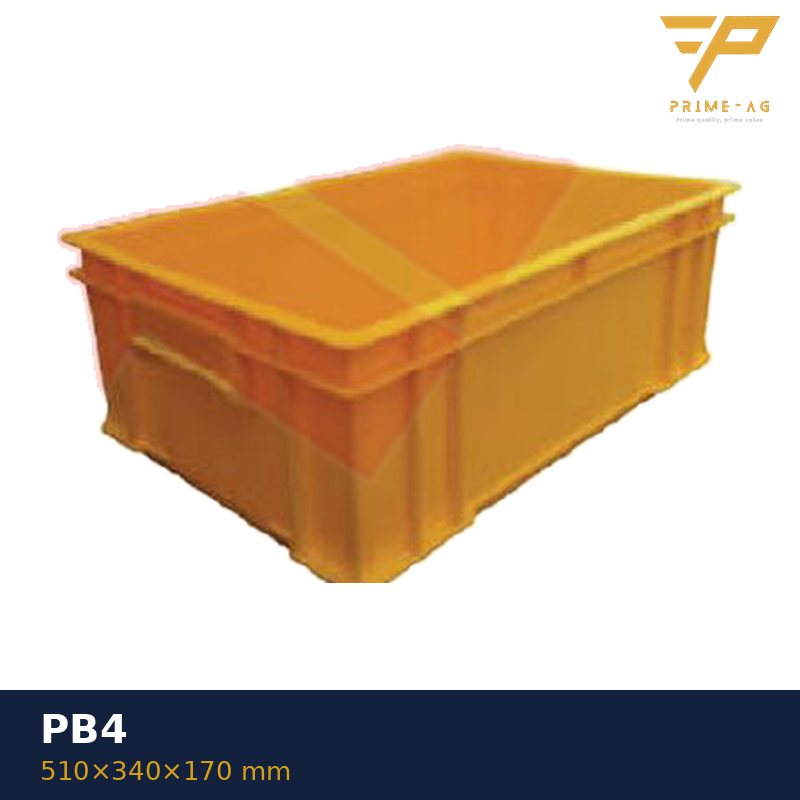
Industrial plastic bins in virgin PP come in many sizes; PB4 510×340×170 mm or PB2 455×270×120 mm fit a 600 mm deep bench. Give each bin a large, clearly lettered label. Put the good bin on the side of the hand that drops parts, the reject bin at the far end of the bench, and the pending bin in the middle.
Gloves, glasses and edge-finishing supplies
Polyester gloves with PVC dots grip well on dry parts, packed 10 pairs/bag, sizes M/L. If you need PU palm-coated, low-lint gloves, use White Palm PU palm-coated gloves. Neither is a cut-resistant glove: the holding hand must always stay out of the blade’s path.
Gates can fly off when cut. Safety glasses 3M SF-401AF meet ANSI Z87.1 and are anti-fog; 3M literature states the SF400 series is not for grinding. For smoothing edges, the 3M 7447 hand pad in the sandpaper and abrasive pads range is soft, follows curved edges and does not scratch deeply.
| Cosmetic defect | Cause at the station | Fix |
|---|---|---|
| New scratches | Flash debris on the bench, parts stacked on each other | Debris tray, a single layer in the bin |
| Leftover flash, gate remnants | Blunt knife, hard-to-reach cutting angle | Change blades every shift, rotate the part on a clear bench area |
| Missed spots, black specks | Poor lighting, rushed inspection | Shelf-mounted light plus angled lamp, limit samples hung on the shelf |
| Short shots escaping | No comparison with a master sample | Place a good sample next to the inspection area for direct comparison |
| Rejects mixed with good parts | One shared bin, or bins placed close together | Three bins in three positions, reject bin with a red label |
Check a station yourself in 10 minutes
- Inspect a sample scratch under the current light: can you see it clearly?
- Is there flash debris on the bench in the middle of the shift?
- Is the reject bin within reach of the hand dropping good parts?
- Are there enough gloves, glasses and spare blades?
- Are limit samples at the station?
Frequently asked questions
For visual inspection of moulded parts, should I use shelf-mounted LED lights or a desk lamp? Use both for glossy parts: the shelf-mounted light illuminates the bench evenly, and the angle-adjustable desk lamp gives raking light that makes fine scratches stand out.
Do dotted gloves protect hands when trimming flash with a knife? No. Dotted gloves only help grip dry parts; they are not cut-resistant gloves, so the worker must keep the hand out of the blade’s path.
What is the pending bin for? It holds parts that are not clearly good or reject so QC can decide against the limit samples, instead of workers guessing and dropping them into the wrong bin.
Updated: 21/10/2026 — PRIMEAG engineering team
Mon–Sat, 8:00–17:00 (GMT+7) · Phone/Zalo: +84 906 108 292 · Email: info@primeag.vn
Start where it suits you: Free technical advice · Send a drawing or layout · Get a quote within 30 minutes
Written by the PRIMEAG engineering team
Updated: 2026-10-24