
ESD training for new operators at factories in Vietnam must be completed before they touch sensitive components: why parts fail, the EPA boundary, wrist straps, shoes, handling, then a self-test passing below 3.5×10⁷ Ω. PRIMEAG recommends keeping the attendee list, date, content, results and signatures for your S20.20 audit.
On a newly started production line, ESD failures more often come from people who just joined the shift than from materials. A worker wearing the wrist strap over the sleeve is no longer grounded and can cause latent damage to the part in hand. That is why ESD training for operators is an item auditors regularly ask about, and they ask for records.
- When: before first contact with sensitive components.
- What: EPA rules and hands-on practice at the tester.
- Pass criteria: passes the tester on their own and answers the quiz correctly.
- Records: who was trained, date, content, result, signature.
ESD training for operators: what S20.20 requires
ANSI/ESD S20.20 requires a training plan for personnel who handle sensitive components or enter the EPA: initial training before handling product, periodic refresher training, and records. The standard does not set a refresher interval; the factory defines one and follows it as written.
Minimum content of the initial session
Why components fail
According to ESDA, people do not feel discharges below about 3,000 V, while many components are damaged by just a few hundred volts.
The EPA boundary
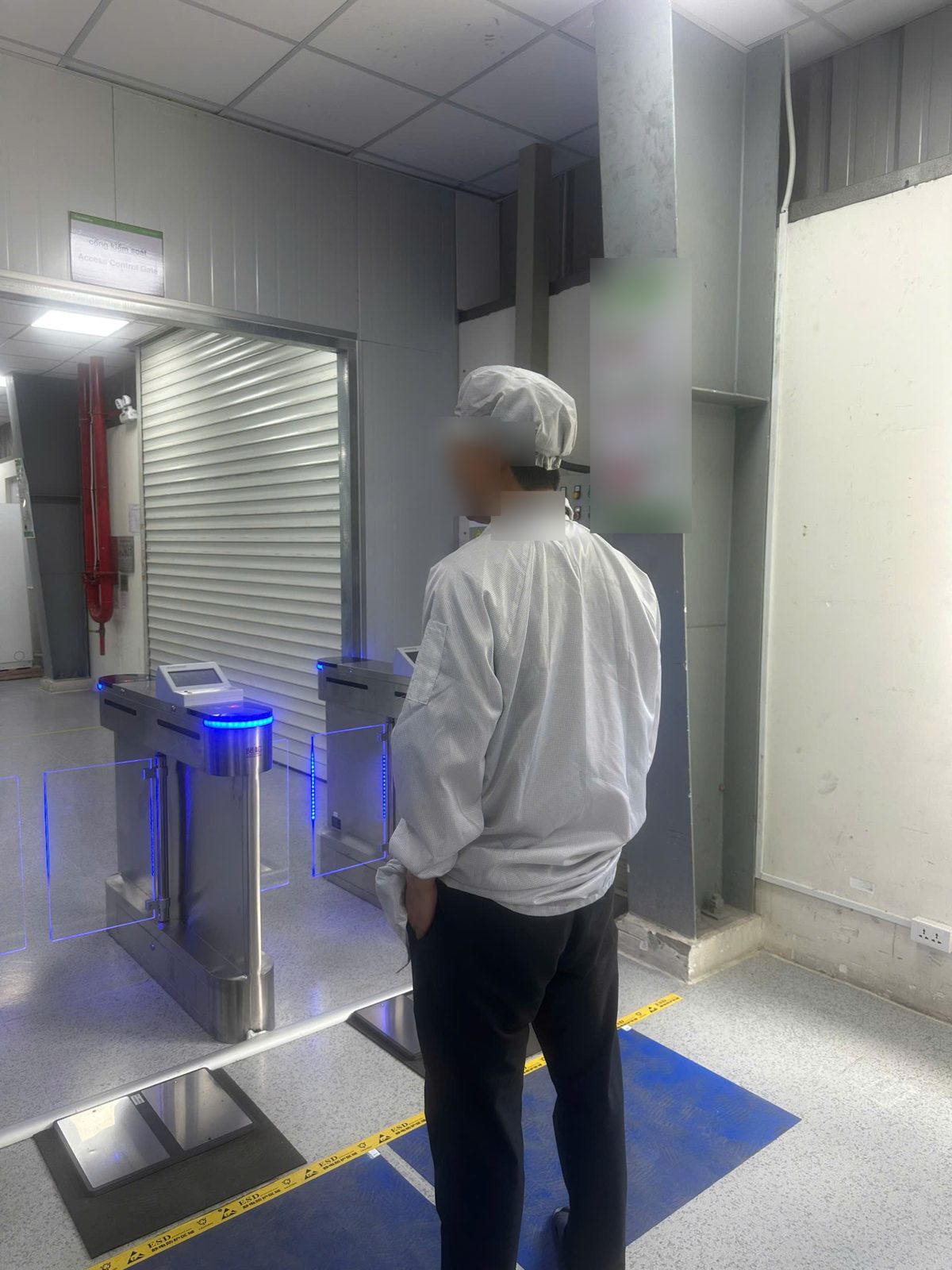
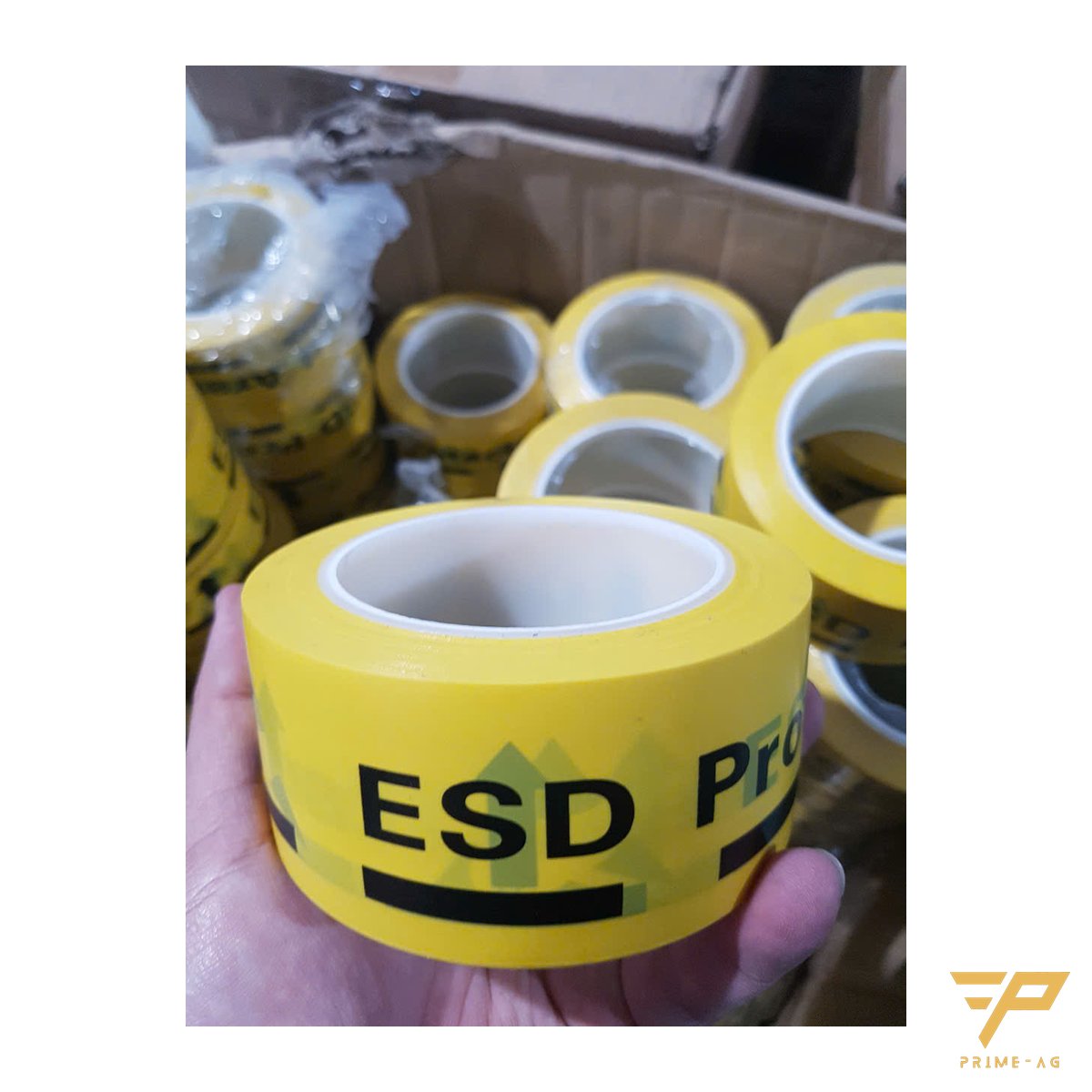
Crossing the line means being grounded. The boundary is usually marked with yellow TF-48 floor marking tape, 48 mm wide; PVC tape is insulating, so apply it along the edge of the area, away from where operators stand to work.
Wrist strap and start-of-shift check
The stainless steel plate must sit against the skin, never over the sleeve; the cord plugs into the ground point. The ESD wrist strap with 1.8 m coiled cord has a 1 MΩ resistor in the snap for personnel safety. ANSI/ESD S1.1 recommends daily testing while worn.
ESD shoes and heel grounders
Wear them on both feet and only inside the EPA. Linkworld ESD shoes have a resistance of 10⁵–10⁸ Ω and only work on an ESD floor.
Handling components, bags and trays, prohibited items
Hold components by the edges, and only take them out of ESD bags or trays at a grounded workstation. Plastic bags, plastic cups and ordinary tape stay outside the EPA.
Hands-on practice at the wrist strap and shoe test station
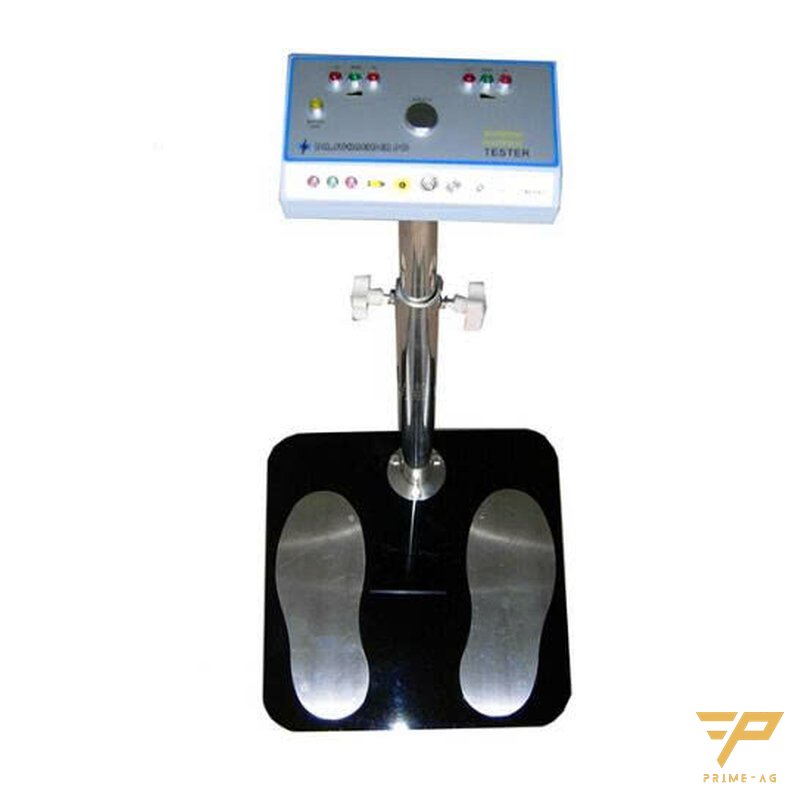
Each trainee tests themselves on a wrist strap and footwear tester, such as the OTS1801D with dual foot plates and a 0.75–35 MΩ window, to understand the wrist strap system limit of below 3.5×10⁷ Ω (35 MΩ). Have them deliberately wear the strap over the sleeve to see the tester fail, then do it correctly and log the result themselves.
Checking understanding
A short quiz on the EPA boundary, prohibited items and what to do when the tester fails, plus observation of the practical. Anyone who fails is retrained and does not go on the line.
| Record | Must include | Note |
|---|---|---|
| Training plan | Target personnel, content, refresher interval | Approved by a responsible person |
| Class attendance list | Full name, employee ID, training date | Signed by trainees |
| Test results | Score, practical assessment comments | Signed by the assessor |
| Per-shift test log | Wrist strap and shoe results | Evidence of implementation |
File these with your other records: see what records to keep for an ANSI/ESD S20.20 audit.
Refresher training schedule
Besides the chosen interval, retrain when a process changes, when an internal audit finds nonconformities, or when someone returns after a long absence.
Where to start
- List the people entering the EPA who have no training record.
- Prepare the training plan and the quiz.
- Check the test station at the entrance and its log.
- Run the class, collect signatures, file the results.
Before the session, the PRIMEAG engineering team can visit your factory in Ho Chi Minh City, Binh Duong or Dong Nai (Monday–Saturday) for free on-site ESD material testing with a TR1800 and 5 lb electrodes, with no limit on test points, including items bought elsewhere and with no purchase obligation; within 3–5 working days we send a PDF with readings for each location plus photos, for reference only and not a substitute for audit documentation.
Wrist straps, ESD shoes and marking tape are regular stock lines: in-stock items are delivered within 24–48 hours in Ho Chi Minh City, Binh Duong and Dong Nai; ordered items take 3–7 working days. Send the headcount and shoe sizes via the quotation request page; we quote within 30 minutes.
Frequently asked questions
- Do temporary workers on short contracts in Vietnam need ESD training? — Yes. Anyone who handles sensitive components or enters the EPA must be trained first, including short-term workers.
- Does ANSI/ESD S20.20 require annual ESD refresher training? — No. The standard only requires periodic refresher training and records; the factory sets the interval in its own training plan.
- Can seated soldering operators skip the wrist strap if they wear ESD shoes? — No. When seated, the feet often leave the floor, which breaks the ground path through the shoes; a corded wrist strap is still required.
Updated: 30 Oct 2026 — PRIMEAG engineering team
Email: info@primeag.vn · Phone/Zalo: +84 906 108 292
Written by the PRIMEAG engineering team
Updated: 2026-10-30