
If the floor around CNC machines in your Vietnam plant is slippery, the usual culprits are cutting oil escaping through open machine doors, air guns blowing chips, and wet parts set down on the floor. PRIMEAG recommends checking 5 sources, stopping the oil at the machine first, then laying NBR rubber mats with drainage holes and using SRC anti-slip shoes.
Slips and falls are a common accident in machine-tool areas, and they usually start with an oil streak nobody wiped up. When the CNC floor gets slippery, buying mats right away just moves the slippery spot to the mat edge. The right order: deal with the oil source first, mats second.
- Oil sources: machine doors, air guns, wet parts, drip trays, floor surface.
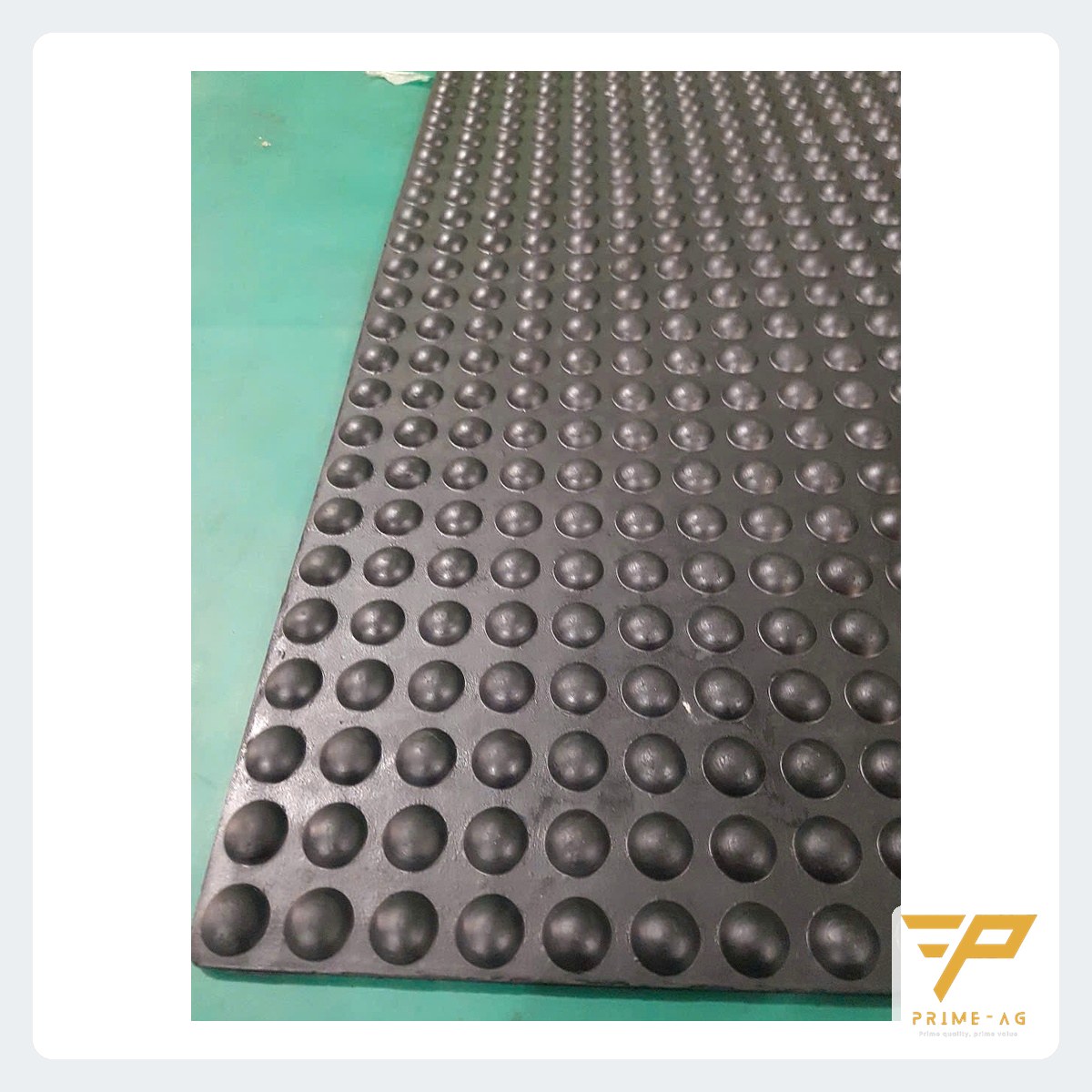
- Operator position: NBR rubber mat with drainage holes; foam PVC mats only in dry spots away from the machine.
- Operators: shoes marked SRC or SR.
- Replace the mat: when it is permanently compressed, cracked, delaminating or curling at the edges.
Why the floor around CNC machines gets slippery: 5 sources to check
1. Open machine doors and guards
Torn seals, cracked windows, chip guards removed and never refitted. Watch the door edges while the machine runs: wherever a fresh wet streak appears, that is the source.
2. Air guns blowing chips
Blowing chips with the door open spreads oil mist into the aisle. Blow toward the inside of the machine enclosure, keep the door as closed as possible, or use an air nozzle or built-in chip extraction; never blow chips out into the aisle.
3. Wet parts set down on the floor
Oil-soaked parts placed on the floor while waiting for inspection drip and leave streaks. Put them on trays instead: the 3-tier mechanical tool cart has 3 trays of 590 × 360 mm with raised lips, powder-coated steel that wipes clean of oil, locking casters, and a total load of 150–180 kg.
4. Missing or overflowing drip trays
Overflowing chip bins, trays under the chip discharge placed off-center, no tray at the tool-change spot.
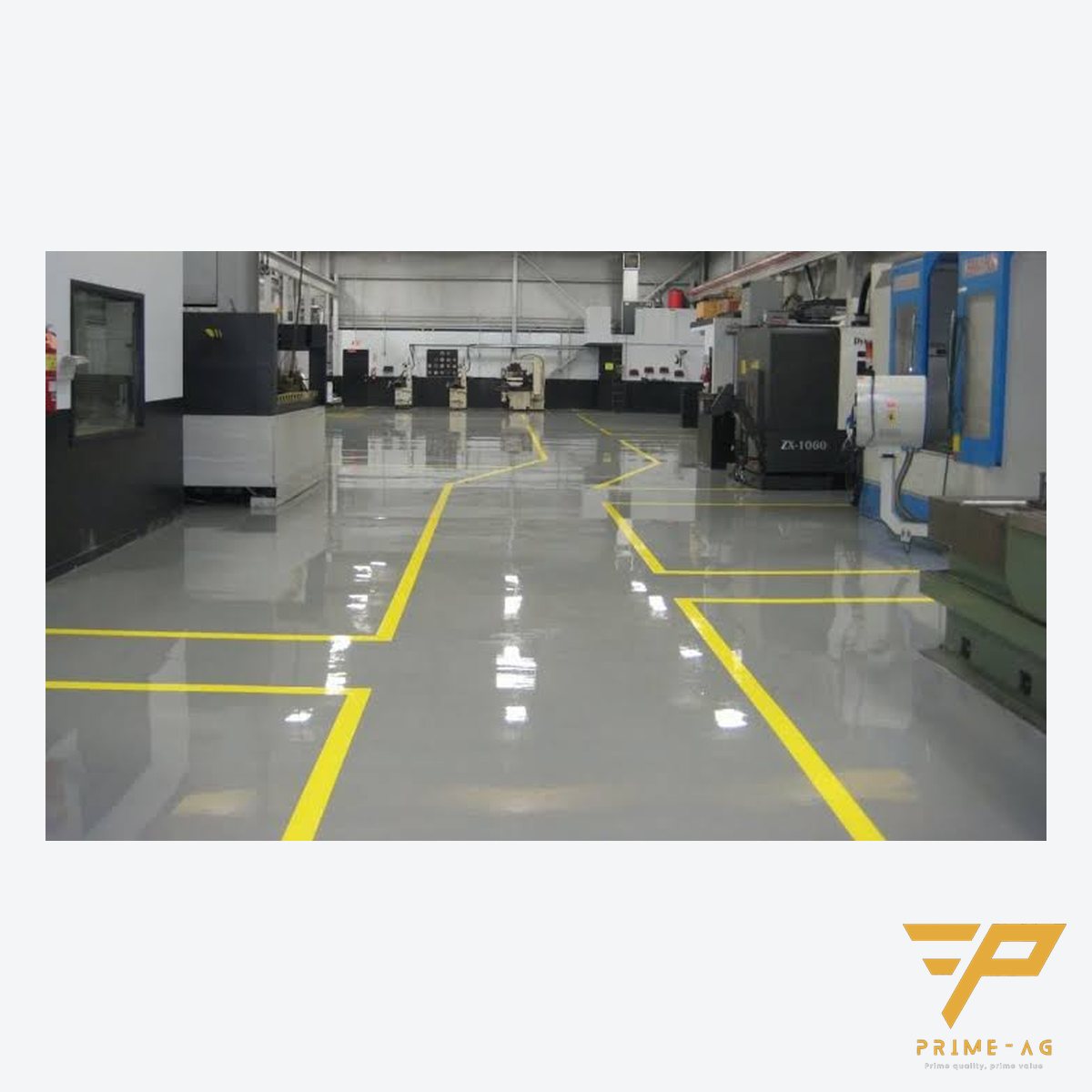
5. Glossy epoxy floor that has lost its texture
Once the epoxy surface is worn glossy, a thin film of oil is enough to slip on. Before repainting, degrease and roughen the surface; mix 2-component epoxy paint and floor marking paint at the exact ratio on each product’s TDS. See the article on floor marking paint peeling.
Fixes at the operator position
Oil-resistant rubber mats
Foam PVC mats do not withstand hot oil or hot chips. CNC areas should use nitrile rubber (NBR), which resists mineral oil better than natural rubber and works at roughly −40 to 108 °C; a surface with drainage holes lets oil and chips fall through.
The anti-fatigue rubber mat page currently covers foam PVC/PU-surface mats, suited to dry standing areas away from the machine; for positions right next to the machine, send your dimensions so PRIMEAG can advise on an NBR rubber mat with drainage holes. For bulging edges, see anti-fatigue mats that slip, curl at the edges or harden.
Anti-slip safety shoes
SRC is the marking in EN ISO 20345:2011; the 2022 edition uses SR for the glycerin test, which is closer to an oily floor. Both are valid. The Jogger Bestrun S3 SRC safety shoe has a steel toe and an oil- and water-resistant PU/PU sole.
Floor marking, warning signs, cleaning
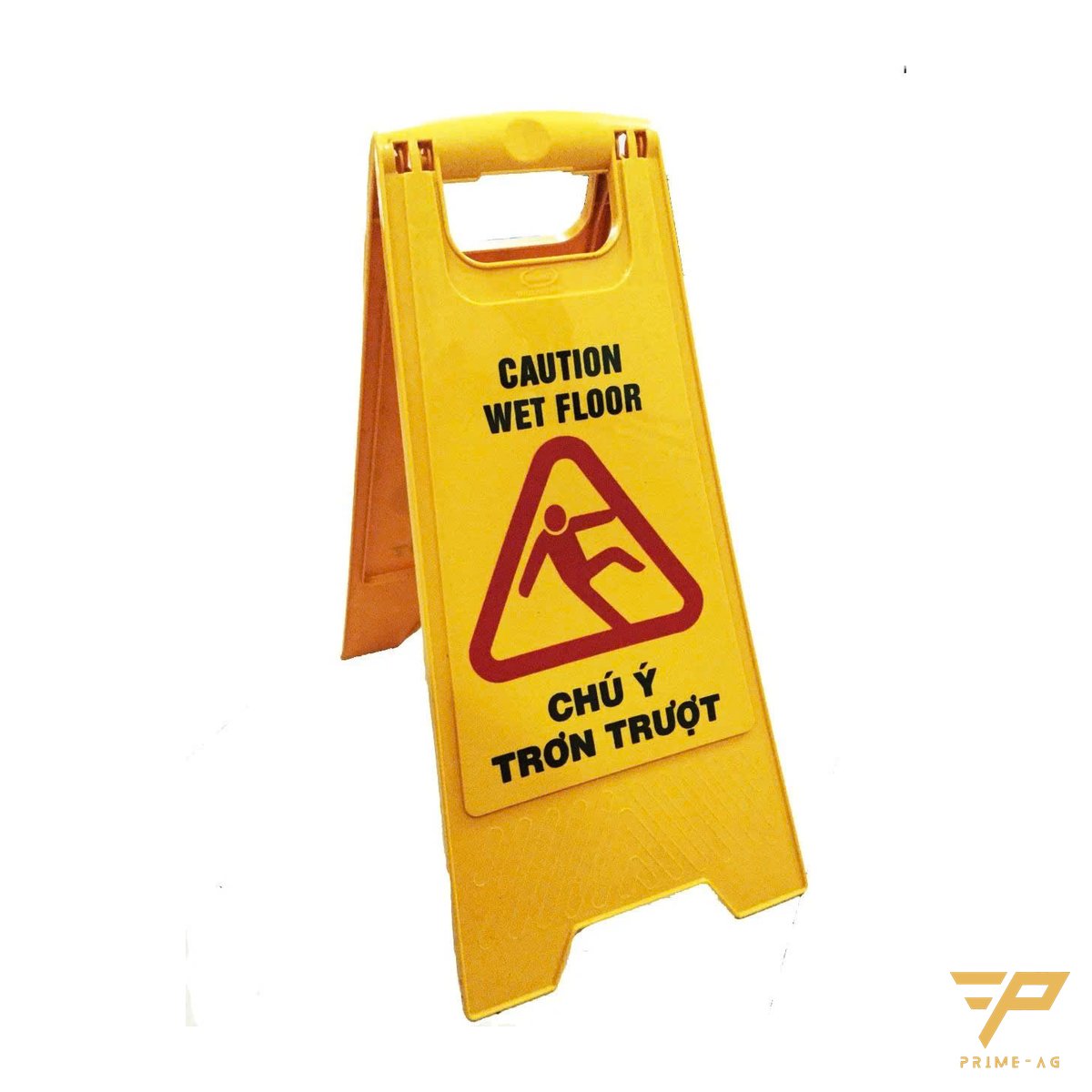
Mark boundaries in yellow and use yellow–black stripes for hazard zones. Next to machines use floor marking paint, because tape only sticks to dry, oil-free floors; for aisles away from machines use TF-48 floor marking tape, 48 mm wide. Put up a slippery floor sign whenever you see an oil streak; every shift, collect chips, soak up oil, wipe and let dry.
| Sign | Source | Fix |
|---|---|---|
| Oil streaks from the door edge | Leaking seal or guard | Replace seal, refit guard |
| Oil mist around the machine | Blowing air with the door open | Blow inside the enclosure |
| Drips along the path to the inspection table | Wet parts placed on the floor | Cart with lipped trays |
| Puddles at the machine base | No tray, full chip bin | Add trays, set a chip-emptying schedule |
When to replace mats
When they are permanently compressed, cracked, delaminating, curling at the edges or the studs are worn flat. Rubber mats and floor tape are stock items, delivered within 24–48 hours in Ho Chi Minh City, Binh Duong and Dong Nai.
Self-audit of the machine area in one shift
- Walk around while machines run and circle every fresh oil streak in chalk.
- Note when operators blow air and when they set parts on the floor.
- Check seals, drip trays and chip bins on each machine.
- Measure the standing positions and look at operators’ shoe soles.
Send the number of machines, standing-area dimensions and shoe sizes through the quote request form; PRIMEAG sends a quote within 30 minutes.
Frequently asked questions
- Can we spread sawdust or sand on oil spills? — Only as a stopgap. Oil-soaked sawdust gets tracked around and sand gets into the machines; soak the oil up with rags, then wipe with a degreaser.
- Are drainage-hole mats more of a trip hazard than flat mats? — No, as long as the mats have beveled edges and are butted tightly together; remember to hose out the drainage holes so chips do not clog them.
- Are S3 SRC safety shoes enough for CNC operators? — SRC shoes pass the standard slip-resistance test, but they do not replace stopping the oil at its source; you still need mats, floor cleaning and a weekly check of the sole tread.
Updated: 30 Oct 2026 — PRIMEAG engineering team
Email: info@primeag.vn · Phone/Zalo: +84 906 108 292
Written by the PRIMEAG engineering team
Updated: 2026-10-30