
How do you stop glossy plastic parts from getting scratched during packing? Scratches and dents on glossy housings mostly come from parts rubbing against each other and against hard packing materials. PRIMEAG recommends applying 50–80 µm surface protection film, separating every part with EVA foam or divided corrugated plastic (danpla) boxes, lowering stack height and handling parts with clean, fine-fibre gloves.
Hypothetical figures for illustration: last month QC recorded 1.8% of housings returned for scratches, and defects created at packing were three times those created at molding.
- Check in this order: parts touching, packing material, stack height, gloves, table surface, flash.
- Every glossy part needs its own compartment, touching neither other parts nor hard walls.
- Apply protective film before the part goes into the box.
Plastic parts scratched during packing: check the causes in order
1. Parts touching each other in the box
Tip several housings into one box, roll the trolley over a floor joint, and the glossy faces rub against the corners and ribs of the parts next to them.
2. Paper or hard cardboard as padding
Cardboard has fibres and hard particles; pressed against a glossy painted or plated surface it leaves dull marks and dents.
3. Stacking too high
Flat pressure marks found only on the bottom layer are a sign of an overloaded stack.
4. Rough or dirty gloves
Short-fibre gloves shed lint; gloves damp with sweat leave fingerprints on mirror surfaces.
5. Rough packing table surface
Plastic crumbs and hard dust particles on the table scratch the face that is laid down.
6. Leftover flash
The sharp flash edge of one part scratches the surface of another; it must be stopped at the deflashing step.
Eliminate each cause
| Cause | Sign | Fix |
|---|---|---|
| Parts touching | Scratches matching the shape of corners and ribs | Dividers, foam between layers |
| Hard padding | Dull marks, dents following the paper texture | Replace with 2–3 mm EVA foam or bubble wrap |
| High stacks | Dents on the bottom layer | Fewer layers, use lidded boxes |
| Gloves | Fingerprints, lint | Ultra-fine gloves, change when damp |
| Table surface | Random scratches on the face-down side | Wipe the table every shift, cover with adhesive foam roll |
| Flash | Long, thin scratches | Re-check the deflashing step |
When to replace padding and packaging
- Foam that stays compressed and does not recover, or has plastic crumbs stuck to it.
- Danpla boxes with broken edge strips or corner pieces: replace the strips and corners, keep the box body.
- Protective film rolls that have been left in the sun: standard film is not UV resistant.
- Gloves that are damp or discoloured.
The right product for each spot
Surface protection film
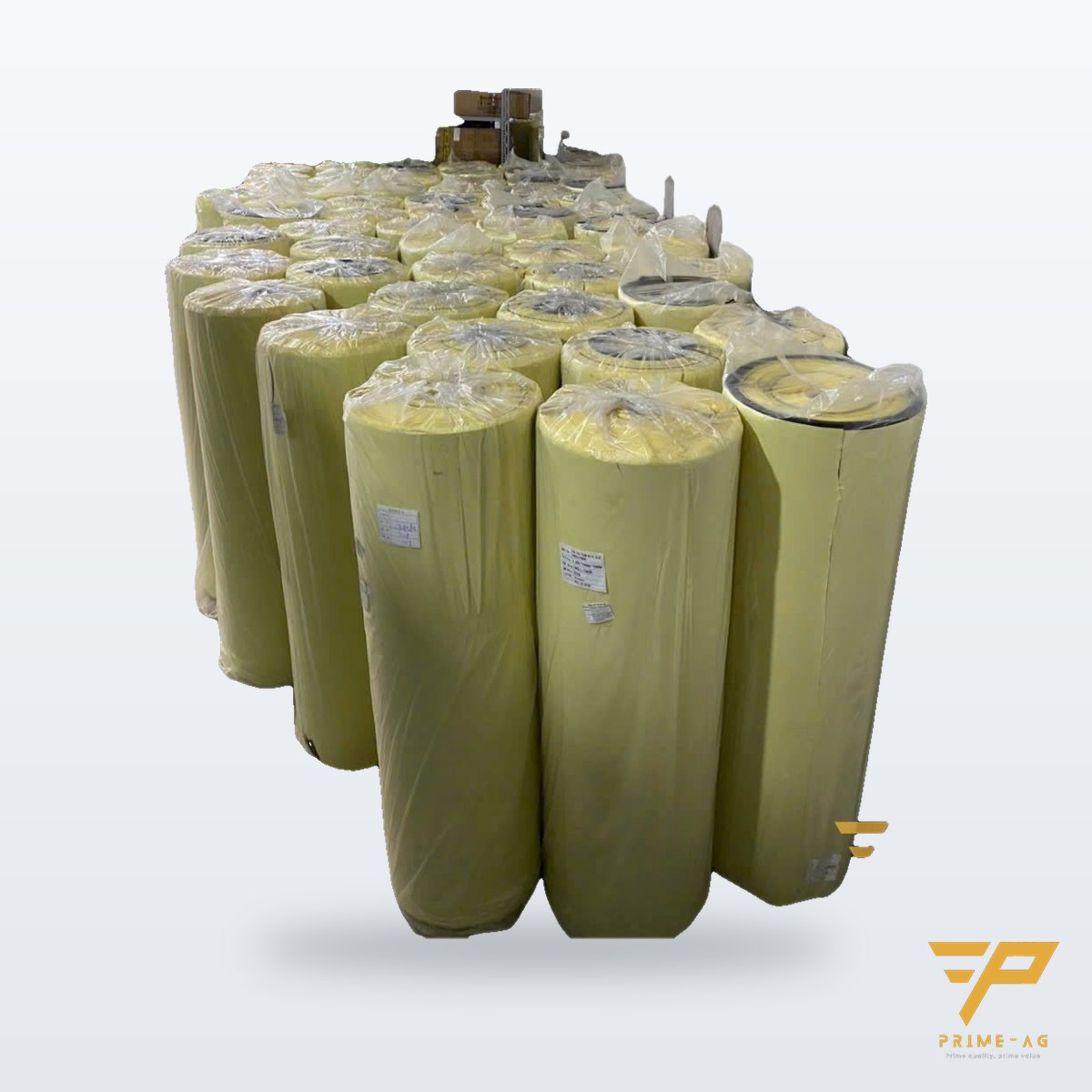
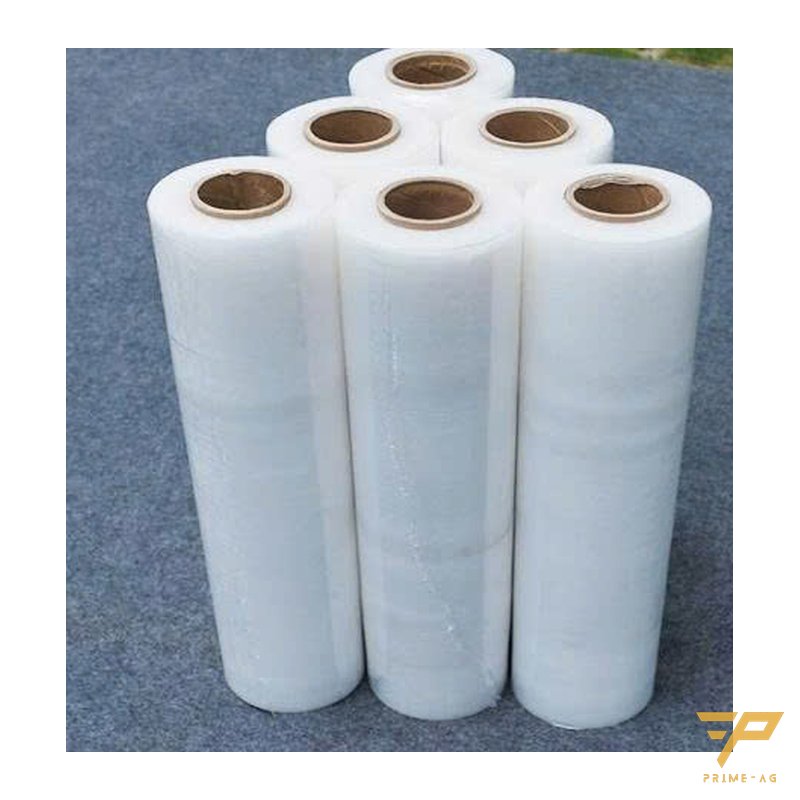
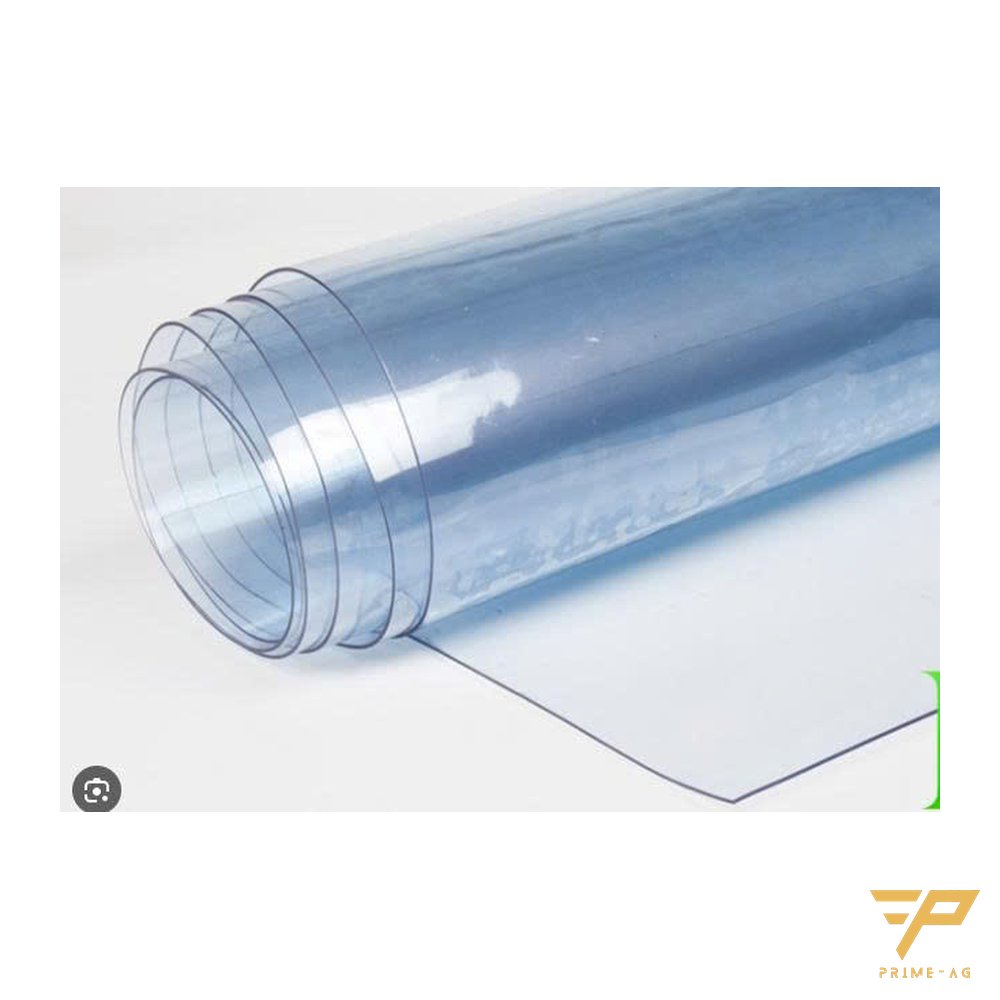
Within the PE stretch film and protective film range, surface protection film comes 1.25 m × 200 m, 50–80 µm thick, with adhesion of 30–80 g/25 mm. Choose low adhesion for mirror surfaces. The surface must be free of oil before applying so no adhesive is left behind. Freshly painted surfaces need a trial, as the film may pull the paint off. Wrap individual parts in one layer of Φ10 mm bubble wrap.
Base padding and soft walls
EVA foam sheets 1.2 × 2.4 m in 2, 3, 5 or 10 mm thickness work as base cushions and walls; 1 mm adhesive-backed rolls line trays and tables. Foam inserts can be made to drawing. EVA melts at about 90 °C, so do not pad parts that have just come out of a drying oven.
Rigid dividers
Divided danpla boxes made to drawing: 4 mm PP sheet, optional removable dividers (the standard 350 × 160 × 200 mm box carries 5 kg and stacks 4–5 high when full); orders from 200 pieces. For large parts use industrial plastic bins in virgin PP with dividers and lids, for example PSB017 610 × 420 × 250 mm.
Gloves for handling
Ultra-fine polyester gloves with fine, smooth fibres and very little lint, sizes M and L; the version with 2 elastic bands does not slip off when parts are turned over.
Where to start
- Open 10 packed boxes and record the location of every scratch.
- Compare against the elimination table and pick 1–2 main causes.
- Make a divider sample for the part number with the most defects and run it for one week.
Flash-related defects should be fixed at the deflashing and visual inspection station for injection-molded parts; for padding internal transport trays see preventing rust and scratches when moving machined parts.
Frequently asked questions
- How long can surface protection film stay on before it should be removed? — Remove it as soon as possible after delivery; the maximum dwell time follows the film supplier’s recommendation.
- Is paper interleaving OK between glossy plastic housings? — Not for glossy painted or plated surfaces. Use thin EVA foam or bubble wrap.
- What is the minimum order for custom-size divided boxes? — Danpla boxes made to drawing start from 200 pieces; PRIMEAG makes 2 samples in 3 days for testing before production.
Email: info@primeag.vn · Phone/Zalo: +84 906 108 292
Written by the PRIMEAG engineering team
Updated: 2026-10-26