
Machined parts often come off the machine in tolerance, then get rejected at final inspection for rust spots or scratches. The main cause lies in waiting and transport: parts knocking against each other or bare steel trays, and sweat from bare hands. PRIMEAG recommends 4 layers of protection: line trays with EVA foam 2–10 mm thick, separate the parts, keep them dry and wear clean gloves.
- Line: line trays and trolleys with EVA foam; for precision parts use CNC-cut foam inserts, one pocket per part.
- Move: trolleys with raised tray lips and smooth-rolling casters; never stack parts on top of each other.
- Prevent rust: remove coolant, dry, and apply rust-preventive oil if parts will wait a long time.
- Handle: clean gloves so hand sweat does not leave fingerprint-shaped rust.
1. Why machined parts rust and get scratched
- Metal-to-metal contact: parts dumped together in a bin, on bare steel trays, or stacked and jolted over uneven floors.
- Residual coolant: the water in the coolant evaporates slowly from gaps and threaded holes, causing rust within a few hours in humid air.
- Hand sweat: salts and acids on the skin leave rust in the exact shape of a fingerprint.
- Long waits in open workshops: high humidity and early-morning condensation.
2. Line trays and separate parts with EVA foam
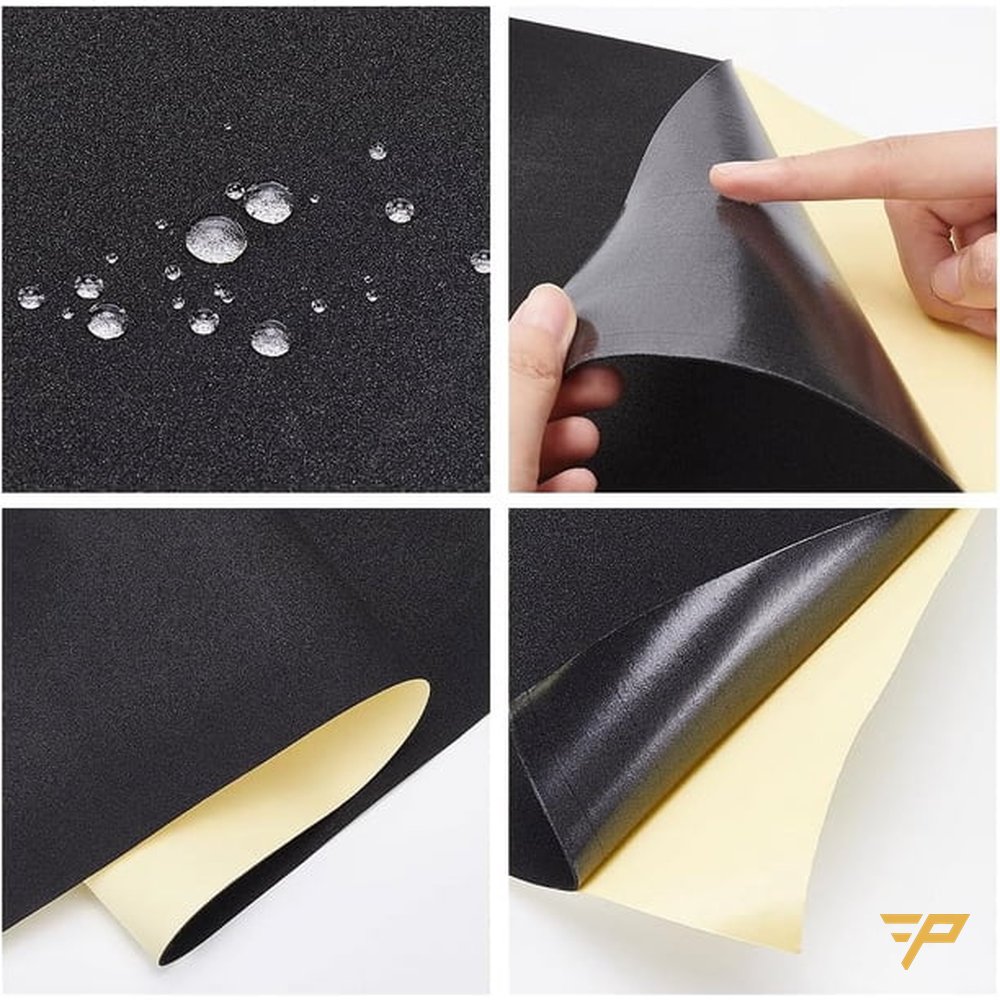
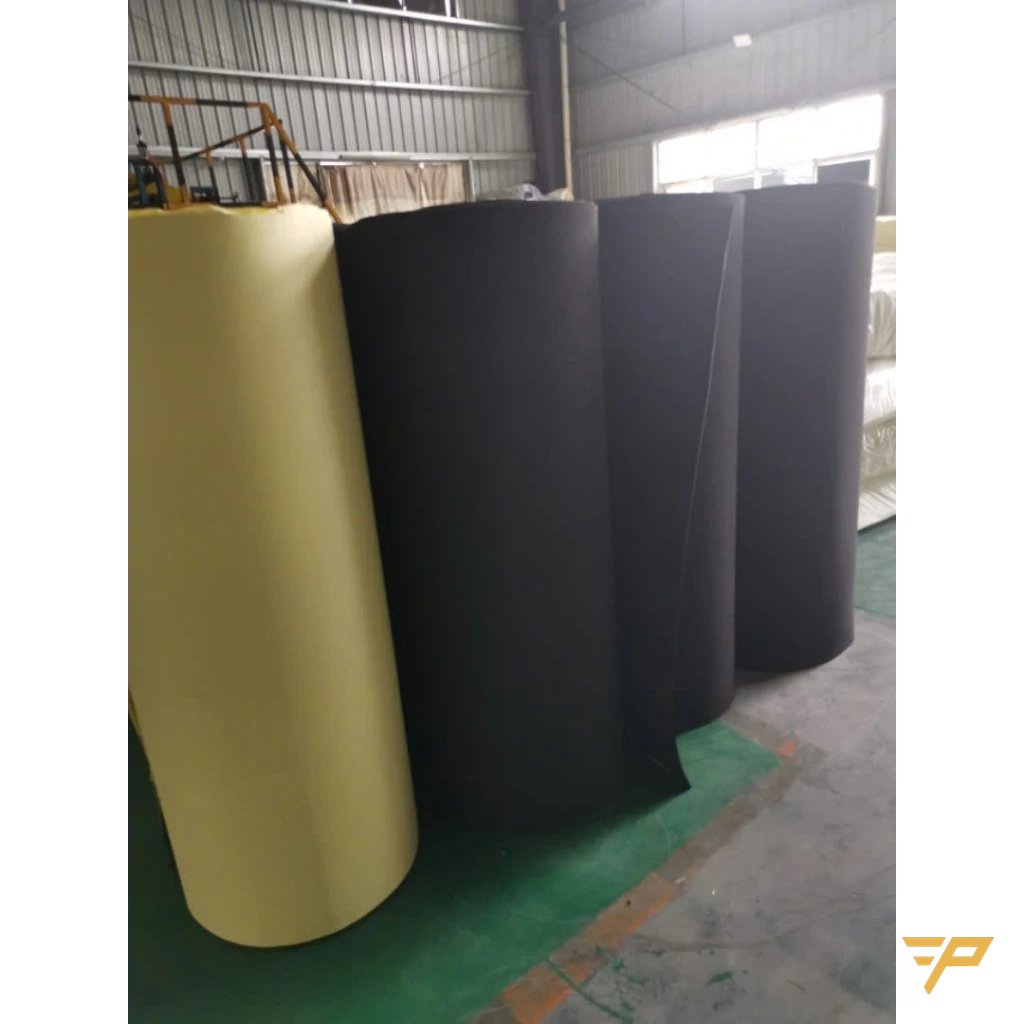
EVA foam is soft, does not absorb water and does not scratch metal surfaces. PRIMEAG supplies 1.2 × 100 m rolls, 1 mm thick, with adhesive backing for tray bottoms, drawers and trolley shelves, plus 2–10 mm sheets for cutting bin liners (stocked items delivered in 24–48 hours, ordered items 3–7 working days). For precision parts or ground surfaces, use CNC-cut foam inserts shaped to the part: each part sits in its own pocket without touching the others. Shaped foam inserts are made to order in 5 days.
Small parts in large quantities go in industrial plastic bins with foam on the bottom and separator sheets between layers; never pour parts into a heap.
3. The right trolley for moving between processes
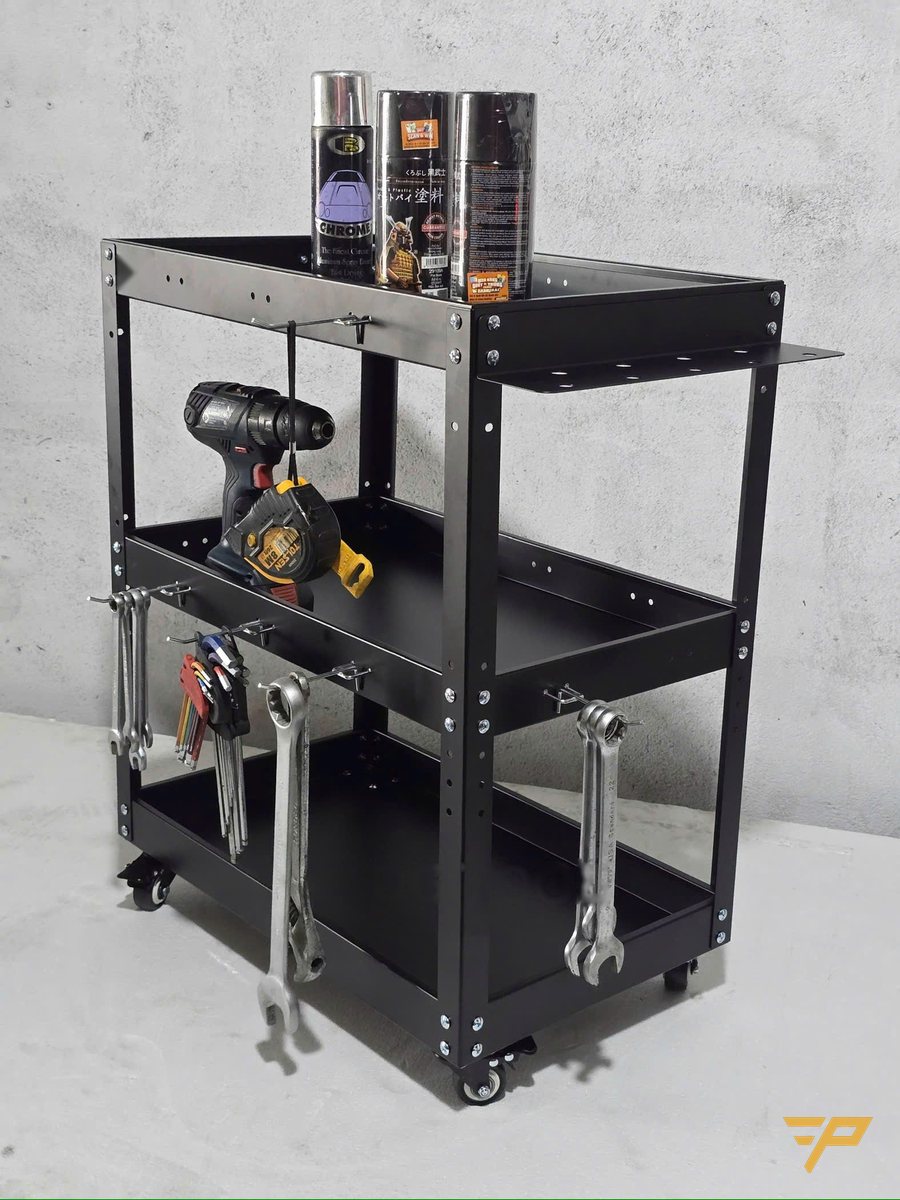
The 3-tier mechanical tool trolley has 590 × 360 mm steel trays with raised lips so parts do not fall off while pushing, a load capacity of 150–180 kg, and tool hooks on the side. Line each tray with EVA foam before placing parts. Note: this trolley has a standard powder coat and is not an ESD trolley. Large parts need dedicated trolleys with fixtures shaped to the part; PRIMEAG has built 400 dedicated trolleys for a US-invested FDI factory in Can Giuoc (2025–2026).
| Situation | Solution |
|---|---|
| Small parts, high quantity, moved in batches | Plastic bin + foam separator between layers |
| Medium parts with finish-machined surfaces | Trays lined with shaped EVA/PE foam, trolley with raised lips |
| Large, heavy parts | Dedicated trolley with fixtures, EVA pads at contact points |
| Parts awaiting delivery or in storage | Clean, dry, apply rust-preventive oil, wrap in PE surface protection film |
4. Rust prevention while parts wait
- After machining: blow out threaded holes and gaps; wipe off coolant with industrial wiping cloths.
- Check coolant concentration against the supplier’s recommendation; coolant that is too dilute loses its rust protection.
- Waiting overnight or longer: apply rust-preventive oil, or use anti-rust bags if the customer requires them.
- Do not place parts next to open doors, exterior walls or under metal roofs that collect condensation.
5. Gloves for handling parts
PU-coated knitted gloves such as White Palm PU palm-coated gloves keep hands clean, grip well on smooth metal and leave no lint. Replace gloves once they are oily or wet. Parts with sharp, undeburred edges need cut-resistant gloves; see how to choose them by EN 388 in our article on hand injuries in machine shops.
Where to start
- Take the 20 most recent parts rejected for rust or scratches and record which process each defect followed.
- Check the trays, bins and trolleys at that process: are they lined, and do parts touch each other?
- Line trays and trolleys with EVA foam at the worst point first, then re-measure the defect rate after 2 weeks.
For choosing bins, trays and boxes by part type, see trays, bins or danpla boxes: which to choose.
Frequently asked questions
Can EVA foam make steel parts rust? EVA foam does not absorb water and does not corrode metal. However, parts must be dried before being placed on it; water trapped between the part and the foam will still cause rust.
Can the foam liner be cut to the shape of the part? Yes. PRIMEAG CNC-cuts PE/EVA foam to the part or drawing, made to order in about 5 days; 1 mm adhesive EVA rolls and 2–10 mm sheets: stocked items delivered in 24–48 hours, ordered items 3–7 working days.
How long can machined parts wait before they need rust-preventive oil? It depends on the material, the coolant and workshop humidity. In a hot, humid climate, carbon-steel parts waiting overnight should be dried and oiled according to the quality department’s rules.
Updated: 14 October 2026 — PRIMEAG engineering team
Mon–Sat, 8:00–17:00 (GMT+7) · Phone/Zalo: +84 906 108 292 · Email: info@primeag.vn
Start where it suits you: Free technical advice · Send a drawing or layout · Get a quote within 30 minutes
Written by the PRIMEAG engineering team
Updated: 2026-10-24